Freight RAILCAR Act of 2025
USA119th CongressHR-1200| House
| Updated: 2/11/2025
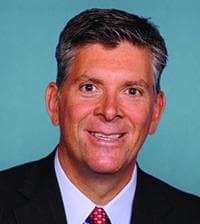
Darin LaHood
Republican Representative
Illinois
Cosponsors (68)
Doug LaMalfa (Republican)Eric A. "Rick" Crawford (Republican)Ashley Hinson (Republican)Gregory F. Murphy (Republican)David J. Taylor (Republican)Lance Gooden (Republican)Sanford D. Bishop (Democratic)Vince Fong (Republican)Mike Carey (Republican)Stephanie I. Bice (Republican)Mariannette Miller-Meeks (Republican)Beth Van Duyne (Republican)Terri A. Sewell (Democratic)Aaron Bean (Republican)Troy A. Carter (Democratic)Eugene Simon Vindman (Democratic)Jimmy Panetta (Democratic)Maxine Dexter (Democratic)Dina Titus (Democratic)Pete Sessions (Republican)David Rouzer (Republican)Andrea Salinas (Democratic)Angie Craig (Democratic)Janelle S. Bynum (Democratic)Frank J. Mrvan (Democratic)Nathaniel Moran (Republican)Dan Newhouse (Republican)Morgan Luttrell (Republican)Thomas H. Kean (Republican)Don Bacon (Republican)Nikki Budzinski (Democratic)Brendan F. Boyle (Democratic)Mario Diaz-Balart (Republican)Carol D. Miller (Republican)Jake Ellzey (Republican)Mike Kelly (Republican)Mike D. Rogers (Republican)Richard Hudson (Republican)Roger Williams (Republican)Tony Wied (Republican)Troy E. Nehls (Republican)W. Gregory Steube (Republican)Bruce Westerman (Republican)Val T. Hoyle (Democratic)Sharice Davids (Democratic)August Pfluger (Republican)Henry Cuellar (Democratic)Nicholas J. Begich (Republican)Michael T. McCaul (Republican)Jim Costa (Democratic)Tony Gonzales (Republican)Sam Graves (Republican)Mike Bost (Republican)David G. Valadao (Republican)Wesley Hunt (Republican)Derrick Van Orden (Republican)Rick Larsen (Democratic)Randy Feenstra (Republican)Juan Ciscomani (Republican)Kevin Hern (Republican)Suzanne Bonamici (Democratic)Randy K. Sr. Weber (Republican)Josh Gottheimer (Democratic)Linda T. Sánchez (Democratic)Bradley Scott Schneider (Democratic)Tracey Mann (Republican)Brian Babin (Republican)Craig A. Goldman (Republican)
Ways and Means Committee
- Introduced
- In Committee
- On Floor
- Passed Chamber
- Enacted
This bill introduces a new tax credit under the Internal Revenue Code to encourage the modernization and replacement of inefficient freight railcars. Taxpayers can claim a 10 percent credit on their freight railcar fleet modernization expenses , which encompass costs for both newly built replacement railcars and qualified modernization expenditures. To qualify for the credit, a newly built replacement railcar must be constructed after the bill's enactment, ordered or placed in service within three years, and replace two older railcars that were scrapped and permanently removed from service. For modernized railcars , improvements must result in at least an 8 percent increase in capacity or fuel efficiency, or meet specific performance standards like the Association of American Railroads Standard S-286 or PHMSA HM-251 design standards. The credit is capped at 1,000 qualified freight railcars per taxpayer per year, and certain entities, particularly those owned or controlled by state-owned enterprises, are ineligible. The bill also includes rules to prevent double benefits and adjust the railcar's basis, and the credit will terminate three years after the date of enactment. Furthermore, the bill mandates that the Secretary of the Treasury submit a report within three years of enactment. This report will detail the credit's usage, including the number of times it was claimed, the railcars scrapped, and new railcars contracted or built as a direct result of this incentive.
View Full TextSuggested Questions
Get AI-generated questions to help you understand this bill better
Timeline
Introduced in House
Referred to the House Committee on Ways and Means.
Taxation
Freight RAILCAR Act of 2025
USA119th CongressHR-1200| House
| Updated: 2/11/2025
This bill introduces a new tax credit under the Internal Revenue Code to encourage the modernization and replacement of inefficient freight railcars. Taxpayers can claim a 10 percent credit on their freight railcar fleet modernization expenses , which encompass costs for both newly built replacement railcars and qualified modernization expenditures. To qualify for the credit, a newly built replacement railcar must be constructed after the bill's enactment, ordered or placed in service within three years, and replace two older railcars that were scrapped and permanently removed from service. For modernized railcars , improvements must result in at least an 8 percent increase in capacity or fuel efficiency, or meet specific performance standards like the Association of American Railroads Standard S-286 or PHMSA HM-251 design standards. The credit is capped at 1,000 qualified freight railcars per taxpayer per year, and certain entities, particularly those owned or controlled by state-owned enterprises, are ineligible. The bill also includes rules to prevent double benefits and adjust the railcar's basis, and the credit will terminate three years after the date of enactment. Furthermore, the bill mandates that the Secretary of the Treasury submit a report within three years of enactment. This report will detail the credit's usage, including the number of times it was claimed, the railcars scrapped, and new railcars contracted or built as a direct result of this incentive.
View Full TextSuggested Questions
Get AI-generated questions to help you understand this bill better
Timeline
Introduced in House
Referred to the House Committee on Ways and Means.
Darin LaHood
Republican Representative
Illinois
Cosponsors (68)
Doug LaMalfa (Republican)Eric A. "Rick" Crawford (Republican)Ashley Hinson (Republican)Gregory F. Murphy (Republican)David J. Taylor (Republican)Lance Gooden (Republican)Sanford D. Bishop (Democratic)Vince Fong (Republican)Mike Carey (Republican)Stephanie I. Bice (Republican)Mariannette Miller-Meeks (Republican)Beth Van Duyne (Republican)Terri A. Sewell (Democratic)Aaron Bean (Republican)Troy A. Carter (Democratic)Eugene Simon Vindman (Democratic)Jimmy Panetta (Democratic)Maxine Dexter (Democratic)Dina Titus (Democratic)Pete Sessions (Republican)David Rouzer (Republican)Andrea Salinas (Democratic)Angie Craig (Democratic)Janelle S. Bynum (Democratic)Frank J. Mrvan (Democratic)Nathaniel Moran (Republican)Dan Newhouse (Republican)Morgan Luttrell (Republican)Thomas H. Kean (Republican)Don Bacon (Republican)Nikki Budzinski (Democratic)Brendan F. Boyle (Democratic)Mario Diaz-Balart (Republican)Carol D. Miller (Republican)Jake Ellzey (Republican)Mike Kelly (Republican)Mike D. Rogers (Republican)Richard Hudson (Republican)Roger Williams (Republican)Tony Wied (Republican)Troy E. Nehls (Republican)W. Gregory Steube (Republican)Bruce Westerman (Republican)Val T. Hoyle (Democratic)Sharice Davids (Democratic)August Pfluger (Republican)Henry Cuellar (Democratic)Nicholas J. Begich (Republican)Michael T. McCaul (Republican)Jim Costa (Democratic)Tony Gonzales (Republican)Sam Graves (Republican)Mike Bost (Republican)David G. Valadao (Republican)Wesley Hunt (Republican)Derrick Van Orden (Republican)Rick Larsen (Democratic)Randy Feenstra (Republican)Juan Ciscomani (Republican)Kevin Hern (Republican)Suzanne Bonamici (Democratic)Randy K. Sr. Weber (Republican)Josh Gottheimer (Democratic)Linda T. Sánchez (Democratic)Bradley Scott Schneider (Democratic)Tracey Mann (Republican)Brian Babin (Republican)Craig A. Goldman (Republican)
Ways and Means Committee
Taxation
Related Bills
- Introduced
- In Committee
- On Floor
- Passed Chamber
- Enacted