Women’s Health Protection Act of 2025
USA119th CongressHR-12| House
| Updated: 6/24/2025
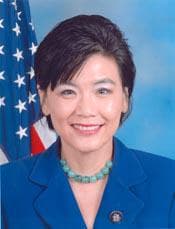
Judy Chu
Democratic Representative
California
Cosponsors (209)
John W. Mannion (Democratic)Dwight Evans (Democratic)Kim Schrier (Democratic)April McClain Delaney (Democratic)Donald Norcross (Democratic)Sam T. Liccardo (Democratic)Nikema Williams (Democratic)Yassamin Ansari (Democratic)Marcy Kaptur (Democratic)Becca Balint (Democratic)Laura Friedman (Democratic)John Garamendi (Democratic)Jared F. Golden (Democratic)Gilbert Ray Cisneros (Democratic)Sylvia R. Garcia (Democratic)Chris Pappas (Democratic)Kelly Morrison (Democratic)Jared Huffman (Democratic)Marc A. Veasey (Democratic)Steny H. Hoyer (Democratic)Robert C. "Bobby" Scott (Democratic)Mikie Sherrill (Democratic)Gabe Amo (Democratic)Robin L. Kelly (Democratic)Shomari Figures (Democratic)Julie Johnson (Democratic)Ritchie Torres (Democratic)Robert Garcia (Democratic)Marie Gluesenkamp Perez (Democratic)Mark Pocan (Democratic)Robert Menendez (Democratic)Analilia Mejia (Democratic)Joyce Beatty (Democratic)Jennifer L. McClellan (Democratic)Gabe Vasquez (Democratic)Ed Case (Democratic)Christopher R. Deluzio (Democratic)Emanuel Cleaver (Democratic)Chrissy Houlahan (Democratic)Darren Soto (Democratic)Raul Ruiz (Democratic)Bill Foster (Democratic)Patrick Ryan (Democratic)Joe Courtney (Democratic)Sanford D. Bishop (Democratic)Ilhan Omar (Democratic)Pete Aguilar (Democratic)Shontel M. Brown (Democratic)Greg Landsman (Democratic)Laura Gillen (Democratic)David Scott (Democratic)Kristen McDonald Rivet (Democratic)Frederica S. Wilson (Democratic)Juan Vargas (Democratic)Terri A. Sewell (Democratic)James R. Walkinshaw (Democratic)Troy A. Carter (Democratic)Eugene Simon Vindman (Democratic)Steven Horsford (Democratic)Jimmy Panetta (Democratic)Maxine Dexter (Democratic)J. Luis Correa (Democratic)Eric Swalwell (Democratic)Dina Titus (Democratic)Maxwell Frost (Democratic)Debbie Dingell (Democratic)Madeleine Dean (Democratic)Melanie A. Stansbury (Democratic)Katherine M. Clark (Democratic)Steve Cohen (Democratic)Suzan K. DelBene (Democratic)Scott H. Peters (Democratic)Sarah Elfreth (Democratic)Andrea Salinas (Democratic)Paul Tonko (Democratic)Angie Craig (Democratic)Delia C. Ramirez (Democratic)Janelle S. Bynum (Democratic)Thomas R. Suozzi (Democratic)Rosa L. DeLauro (Democratic)Greg Casar (Democratic)Haley M. Stevens (Democratic)Dave Min (Democratic)Adriano Espaillat (Democratic)Shri Thanedar (Democratic)Frank J. Mrvan (Democratic)Danny K. Davis (Democratic)Jake Auchincloss (Democratic)Ted Lieu (Democratic)Ro Khanna (Democratic)Greg Stanton (Democratic)George Latimer (Democratic)Jasmine Crockett (Democratic)Henry C. "Hank" Johnson (Democratic)Derek Tran (Democratic)Sheila Cherfilus-McCormick (Democratic)Al Green (Democratic)Nikki Budzinski (Democratic)André Carson (Democratic)Brendan F. Boyle (Democratic)John B. Larson (Democratic)Joaquin Castro (Democratic)Stephen F. Lynch (Democratic)Mark DeSaulnier (Democratic)Jill N. Tokuda (Democratic)Joseph D. Morelle (Democratic)Emilia Strong Sykes (Democratic)Glenn Ivey (Democratic)Doris O. Matsui (Democratic)Hillary J. Scholten (Democratic)Sara Jacobs (Democratic)Marilyn Strickland (Democratic)Suhas Subramanyam (Democratic)Daniel S. Goldman (Democratic)Gregory W. Meeks (Democratic)Jahana Hayes (Democratic)Morgan McGarvey (Democratic)Hakeem S. Jeffries (Democratic)Raja Krishnamoorthi (Democratic)James A. Himes (Democratic)Jerrold Nadler (Democratic)LaMonica McIver (Democratic)Adelita S. Grijalva (Democratic)Brittany Pettersen (Democratic)Alma S. Adams (Democratic)Ami Bera (Democratic)Josh Harder (Democratic)Mark Takano (Democratic)Sydney Kamlager-Dove (Democratic)Lucy McBath (Democratic)Pramila Jayapal (Democratic)Kathy Castor (Democratic)Betty McCollum (Democratic)Eleanor Holmes Norton (Democratic)Val T. Hoyle (Democratic)Sharice Davids (Democratic)Brad Sherman (Democratic)Bonnie Watson Coleman (Democratic)Nellie Pou (Democratic)Mary Gay Scanlon (Democratic)Wesley Bell (Democratic)Richard E. Neal (Democratic)Norma J. Torres (Democratic)Lateefah Simon (Democratic)Timothy M. Kennedy (Democratic)Salud O. Carbajal (Democratic)Josh Riley (Democratic)Jamie Raskin (Democratic)Jim Costa (Democratic)Joe Neguse (Democratic)Mike Quigley (Democratic)Lois Frankel (Democratic)Donald S. Beyer (Democratic)Sean Casten (Democratic)Diana DeGette (Democratic)Eric Sorensen (Democratic)Janice D. Schakowsky (Democratic)James P. McGovern (Democratic)Alexandria Ocasio-Cortez (Democratic)Maxine Waters (Democratic)Summer L. Lee (Democratic)Adam Smith (Democratic)Nydia M. Velázquez (Democratic)Maggie Goodlander (Democratic)Julia Brownley (Democratic)William R. Keating (Democratic)Cleo Fields (Democratic)Johnny Olszewski (Democratic)Seth Magaziner (Democratic)Sarah McBride (Democratic)Yvette D. Clarke (Democratic)Rick Larsen (Democratic)Bennie G. Thompson (Democratic)Deborah K. Ross (Democratic)Lori Trahan (Democratic)Seth Moulton (Democratic)Mike Thompson (Democratic)Suzanne Bonamici (Democratic)Jared Moskowitz (Democratic)Nancy Pelosi (Democratic)Lizzie Fletcher (Democratic)Luz M. Rivas (Democratic)Josh Gottheimer (Democratic)Linda T. Sánchez (Democratic)Emily Randall (Democratic)Zoe Lofgren (Democratic)Nanette Diaz Barragán (Democratic)Jesús G. "Chuy" García (Democratic)Kevin Mullin (Democratic)Jason Crow (Democratic)Teresa Leger Fernandez (Democratic)George Whitesides (Democratic)Frank Pallone (Democratic)Gwen Moore (Democratic)Jimmy Gomez (Democratic)Susie Lee (Democratic)Grace Meng (Democratic)Valerie P. Foushee (Democratic)Rashida Tlaib (Democratic)Bradley Scott Schneider (Democratic)Kweisi Mfume (Democratic)Ayanna Pressley (Democratic)Veronica Escobar (Democratic)Herbert C. Conaway (Democratic)Lloyd Doggett (Democratic)Debbie Wasserman Schultz (Democratic)Lauren Underwood (Democratic)Chellie Pingree (Democratic)Mike Levin (Democratic)
Judiciary Committee, Energy and Commerce Committee
- Introduced
- In Committee
- On Floor
- Passed Chamber
- Enacted
The Women's Health Protection Act of 2025 aims to establish federal statutory rights for individuals to access abortion services and for healthcare providers to offer them. It seeks to protect a person's ability to determine whether to continue or end a pregnancy, recognizing abortion as essential healthcare central to equal participation in society. The bill emphasizes reproductive justice as a human right, ensuring individuals can make decisions about their bodies and families without interference or discrimination. Specifically, the Act protects the right to terminate a pregnancy prior to fetal viability without being subject to numerous state-level limitations. These prohibited restrictions include bans on specific abortion procedures, limitations on prescribing or dispensing reproductive health drugs, and restrictions on telemedicine for abortion services. It also prevents states from imposing residency requirements for patients or prohibiting assistance to those seeking abortion care. After viability, the bill protects the right to abortion when, in the good-faith medical judgment of the provider, it is necessary to protect the patient's life or health. It also broadly prohibits any other limitation or requirement that targets abortion services and impedes access, such as medically unnecessary tests, biased counseling, or facility requirements not applied to comparable medical procedures. Courts are instructed to liberally construe the Act to effectuate its purposes. The legislation explicitly establishes a fundamental right to travel across state lines to obtain reproductive health services, including abortion, and to assist others in doing so. This Act is designed to supersede any inconsistent federal or state laws, whether statutory or common law, adopted before or after its enactment, including the Religious Freedom Restoration Act of 1993. However, it does not supersede laws regulating physical access to clinic entrances, insurance coverage, or generally applicable state contract law. The Attorney General is authorized to commence civil actions against states or government officials who violate the Act. Additionally, individuals or entities adversely affected, including healthcare providers, have a private right of action to challenge unlawful limitations or requirements. The bill allows for pre-enforcement challenges and provides for declaratory and equitable relief, including injunctive relief, along with the award of litigation costs and attorney's fees to prevailing plaintiffs. It also abrogates state immunity in such cases.
Suggested Questions
Get AI-generated questions to help you understand this bill better
Timeline
Introduced in House
Referred to the Committee on Energy and Commerce, and in addition to the Committee on the Judiciary, for a period to be subsequently determined by the Speaker, in each case for consideration of such provisions as fall within the jurisdiction of the committee concerned.
Health
Women’s Health Protection Act of 2025
USA119th CongressHR-12| House
| Updated: 6/24/2025
The Women's Health Protection Act of 2025 aims to establish federal statutory rights for individuals to access abortion services and for healthcare providers to offer them. It seeks to protect a person's ability to determine whether to continue or end a pregnancy, recognizing abortion as essential healthcare central to equal participation in society. The bill emphasizes reproductive justice as a human right, ensuring individuals can make decisions about their bodies and families without interference or discrimination. Specifically, the Act protects the right to terminate a pregnancy prior to fetal viability without being subject to numerous state-level limitations. These prohibited restrictions include bans on specific abortion procedures, limitations on prescribing or dispensing reproductive health drugs, and restrictions on telemedicine for abortion services. It also prevents states from imposing residency requirements for patients or prohibiting assistance to those seeking abortion care. After viability, the bill protects the right to abortion when, in the good-faith medical judgment of the provider, it is necessary to protect the patient's life or health. It also broadly prohibits any other limitation or requirement that targets abortion services and impedes access, such as medically unnecessary tests, biased counseling, or facility requirements not applied to comparable medical procedures. Courts are instructed to liberally construe the Act to effectuate its purposes. The legislation explicitly establishes a fundamental right to travel across state lines to obtain reproductive health services, including abortion, and to assist others in doing so. This Act is designed to supersede any inconsistent federal or state laws, whether statutory or common law, adopted before or after its enactment, including the Religious Freedom Restoration Act of 1993. However, it does not supersede laws regulating physical access to clinic entrances, insurance coverage, or generally applicable state contract law. The Attorney General is authorized to commence civil actions against states or government officials who violate the Act. Additionally, individuals or entities adversely affected, including healthcare providers, have a private right of action to challenge unlawful limitations or requirements. The bill allows for pre-enforcement challenges and provides for declaratory and equitable relief, including injunctive relief, along with the award of litigation costs and attorney's fees to prevailing plaintiffs. It also abrogates state immunity in such cases.
Suggested Questions
Get AI-generated questions to help you understand this bill better
Timeline
Introduced in House
Referred to the Committee on Energy and Commerce, and in addition to the Committee on the Judiciary, for a period to be subsequently determined by the Speaker, in each case for consideration of such provisions as fall within the jurisdiction of the committee concerned.
Judy Chu
Democratic Representative
California
Cosponsors (209)
John W. Mannion (Democratic)Dwight Evans (Democratic)Kim Schrier (Democratic)April McClain Delaney (Democratic)Donald Norcross (Democratic)Sam T. Liccardo (Democratic)Nikema Williams (Democratic)Yassamin Ansari (Democratic)Marcy Kaptur (Democratic)Becca Balint (Democratic)Laura Friedman (Democratic)John Garamendi (Democratic)Jared F. Golden (Democratic)Gilbert Ray Cisneros (Democratic)Sylvia R. Garcia (Democratic)Chris Pappas (Democratic)Kelly Morrison (Democratic)Jared Huffman (Democratic)Marc A. Veasey (Democratic)Steny H. Hoyer (Democratic)Robert C. "Bobby" Scott (Democratic)Mikie Sherrill (Democratic)Gabe Amo (Democratic)Robin L. Kelly (Democratic)Shomari Figures (Democratic)Julie Johnson (Democratic)Ritchie Torres (Democratic)Robert Garcia (Democratic)Marie Gluesenkamp Perez (Democratic)Mark Pocan (Democratic)Robert Menendez (Democratic)Analilia Mejia (Democratic)Joyce Beatty (Democratic)Jennifer L. McClellan (Democratic)Gabe Vasquez (Democratic)Ed Case (Democratic)Christopher R. Deluzio (Democratic)Emanuel Cleaver (Democratic)Chrissy Houlahan (Democratic)Darren Soto (Democratic)Raul Ruiz (Democratic)Bill Foster (Democratic)Patrick Ryan (Democratic)Joe Courtney (Democratic)Sanford D. Bishop (Democratic)Ilhan Omar (Democratic)Pete Aguilar (Democratic)Shontel M. Brown (Democratic)Greg Landsman (Democratic)Laura Gillen (Democratic)David Scott (Democratic)Kristen McDonald Rivet (Democratic)Frederica S. Wilson (Democratic)Juan Vargas (Democratic)Terri A. Sewell (Democratic)James R. Walkinshaw (Democratic)Troy A. Carter (Democratic)Eugene Simon Vindman (Democratic)Steven Horsford (Democratic)Jimmy Panetta (Democratic)Maxine Dexter (Democratic)J. Luis Correa (Democratic)Eric Swalwell (Democratic)Dina Titus (Democratic)Maxwell Frost (Democratic)Debbie Dingell (Democratic)Madeleine Dean (Democratic)Melanie A. Stansbury (Democratic)Katherine M. Clark (Democratic)Steve Cohen (Democratic)Suzan K. DelBene (Democratic)Scott H. Peters (Democratic)Sarah Elfreth (Democratic)Andrea Salinas (Democratic)Paul Tonko (Democratic)Angie Craig (Democratic)Delia C. Ramirez (Democratic)Janelle S. Bynum (Democratic)Thomas R. Suozzi (Democratic)Rosa L. DeLauro (Democratic)Greg Casar (Democratic)Haley M. Stevens (Democratic)Dave Min (Democratic)Adriano Espaillat (Democratic)Shri Thanedar (Democratic)Frank J. Mrvan (Democratic)Danny K. Davis (Democratic)Jake Auchincloss (Democratic)Ted Lieu (Democratic)Ro Khanna (Democratic)Greg Stanton (Democratic)George Latimer (Democratic)Jasmine Crockett (Democratic)Henry C. "Hank" Johnson (Democratic)Derek Tran (Democratic)Sheila Cherfilus-McCormick (Democratic)Al Green (Democratic)Nikki Budzinski (Democratic)André Carson (Democratic)Brendan F. Boyle (Democratic)John B. Larson (Democratic)Joaquin Castro (Democratic)Stephen F. Lynch (Democratic)Mark DeSaulnier (Democratic)Jill N. Tokuda (Democratic)Joseph D. Morelle (Democratic)Emilia Strong Sykes (Democratic)Glenn Ivey (Democratic)Doris O. Matsui (Democratic)Hillary J. Scholten (Democratic)Sara Jacobs (Democratic)Marilyn Strickland (Democratic)Suhas Subramanyam (Democratic)Daniel S. Goldman (Democratic)Gregory W. Meeks (Democratic)Jahana Hayes (Democratic)Morgan McGarvey (Democratic)Hakeem S. Jeffries (Democratic)Raja Krishnamoorthi (Democratic)James A. Himes (Democratic)Jerrold Nadler (Democratic)LaMonica McIver (Democratic)Adelita S. Grijalva (Democratic)Brittany Pettersen (Democratic)Alma S. Adams (Democratic)Ami Bera (Democratic)Josh Harder (Democratic)Mark Takano (Democratic)Sydney Kamlager-Dove (Democratic)Lucy McBath (Democratic)Pramila Jayapal (Democratic)Kathy Castor (Democratic)Betty McCollum (Democratic)Eleanor Holmes Norton (Democratic)Val T. Hoyle (Democratic)Sharice Davids (Democratic)Brad Sherman (Democratic)Bonnie Watson Coleman (Democratic)Nellie Pou (Democratic)Mary Gay Scanlon (Democratic)Wesley Bell (Democratic)Richard E. Neal (Democratic)Norma J. Torres (Democratic)Lateefah Simon (Democratic)Timothy M. Kennedy (Democratic)Salud O. Carbajal (Democratic)Josh Riley (Democratic)Jamie Raskin (Democratic)Jim Costa (Democratic)Joe Neguse (Democratic)Mike Quigley (Democratic)Lois Frankel (Democratic)Donald S. Beyer (Democratic)Sean Casten (Democratic)Diana DeGette (Democratic)Eric Sorensen (Democratic)Janice D. Schakowsky (Democratic)James P. McGovern (Democratic)Alexandria Ocasio-Cortez (Democratic)Maxine Waters (Democratic)Summer L. Lee (Democratic)Adam Smith (Democratic)Nydia M. Velázquez (Democratic)Maggie Goodlander (Democratic)Julia Brownley (Democratic)William R. Keating (Democratic)Cleo Fields (Democratic)Johnny Olszewski (Democratic)Seth Magaziner (Democratic)Sarah McBride (Democratic)Yvette D. Clarke (Democratic)Rick Larsen (Democratic)Bennie G. Thompson (Democratic)Deborah K. Ross (Democratic)Lori Trahan (Democratic)Seth Moulton (Democratic)Mike Thompson (Democratic)Suzanne Bonamici (Democratic)Jared Moskowitz (Democratic)Nancy Pelosi (Democratic)Lizzie Fletcher (Democratic)Luz M. Rivas (Democratic)Josh Gottheimer (Democratic)Linda T. Sánchez (Democratic)Emily Randall (Democratic)Zoe Lofgren (Democratic)Nanette Diaz Barragán (Democratic)Jesús G. "Chuy" García (Democratic)Kevin Mullin (Democratic)Jason Crow (Democratic)Teresa Leger Fernandez (Democratic)George Whitesides (Democratic)Frank Pallone (Democratic)Gwen Moore (Democratic)Jimmy Gomez (Democratic)Susie Lee (Democratic)Grace Meng (Democratic)Valerie P. Foushee (Democratic)Rashida Tlaib (Democratic)Bradley Scott Schneider (Democratic)Kweisi Mfume (Democratic)Ayanna Pressley (Democratic)Veronica Escobar (Democratic)Herbert C. Conaway (Democratic)Lloyd Doggett (Democratic)Debbie Wasserman Schultz (Democratic)Lauren Underwood (Democratic)Chellie Pingree (Democratic)Mike Levin (Democratic)
Judiciary Committee, Energy and Commerce Committee
Health
Related Bills
- Introduced
- In Committee
- On Floor
- Passed Chamber
- Enacted