Ensuring Distance Education Act
USA119th CongressHR-1174| House
| Updated: 2/10/2025
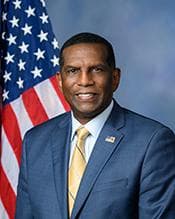
Burgess Owens
Republican Representative
Utah
Education and Workforce Committee
- Introduced
- In Committee
- On Floor
- Passed Chamber
- Enacted
This bill proposes an amendment to the Higher Education Act of 1965 , specifically targeting the financial regulations for proprietary institutions of higher education. The core purpose is to modify the existing "90/10 rule," which dictates that proprietary institutions must derive at least 10% of their revenue from non-federal sources to remain eligible for federal student aid programs. The key provision of this amendment is to permit revenue generated from certain distance education programs to be included when calculating a proprietary institution's non-Federal revenue. This means that funds paid for programs offered entirely or partially through distance education, regardless of the program's physical location, can now contribute to meeting the 10% non-Federal revenue threshold. This change aims to provide proprietary institutions with more flexibility in meeting their financial compliance requirements.
Suggested Questions
Get AI-generated questions to help you understand this bill better
Timeline
Introduced in House
Referred to the House Committee on Education and Workforce.
Education
Educational technology and distance educationGovernment lending and loan guaranteesHigher educationStudent aid and college costs
Ensuring Distance Education Act
USA119th CongressHR-1174| House
| Updated: 2/10/2025
This bill proposes an amendment to the Higher Education Act of 1965 , specifically targeting the financial regulations for proprietary institutions of higher education. The core purpose is to modify the existing "90/10 rule," which dictates that proprietary institutions must derive at least 10% of their revenue from non-federal sources to remain eligible for federal student aid programs. The key provision of this amendment is to permit revenue generated from certain distance education programs to be included when calculating a proprietary institution's non-Federal revenue. This means that funds paid for programs offered entirely or partially through distance education, regardless of the program's physical location, can now contribute to meeting the 10% non-Federal revenue threshold. This change aims to provide proprietary institutions with more flexibility in meeting their financial compliance requirements.
Suggested Questions
Get AI-generated questions to help you understand this bill better
Timeline
Introduced in House
Referred to the House Committee on Education and Workforce.
Burgess Owens
Republican Representative
Utah
Education and Workforce Committee
Education
- Introduced
- In Committee
- On Floor
- Passed Chamber
- Enacted
Educational technology and distance educationGovernment lending and loan guaranteesHigher educationStudent aid and college costs