Pandemic Unemployment Fraud Enforcement Act
USA119th CongressHR-1156| House
| Updated: 3/13/2025
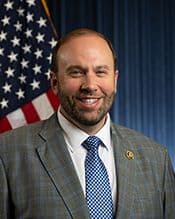
Jason Smith
Republican Representative
Missouri
Cosponsors (25)
David Schweikert (Republican)Adrian Smith (Republican)David Kustoff (Republican)Gregory F. Murphy (Republican)Darin LaHood (Republican)Mike Carey (Republican)Claudia Tenney (Republican)Beth Van Duyne (Republican)Aaron Bean (Republican)Nathaniel Moran (Republican)Rudy Yakym (Republican)Lloyd Smucker (Republican)Carol D. Miller (Republican)Jodey C. Arrington (Republican)Mike Kelly (Republican)Ron Estes (Republican)W. Gregory Steube (Republican)Blake D. Moore (Republican)Brian K. Fitzpatrick (Republican)Max L. Miller (Republican)Randy Feenstra (Republican)Kevin Hern (Republican)Michelle Fischbach (Republican)Nicole Malliotakis (Republican)Vern Buchanan (Republican)
Ways and Means Committee
- Introduced
- In Committee
- On Floor
- Passed Chamber
- Enacted
This legislation, known as the Pandemic Unemployment Fraud Enforcement Act, significantly extends the time frame for prosecuting and enforcing civil actions related to fraud within specific pandemic unemployment programs established under the CARES Act. It amends the CARES Act to establish a 10-year statute of limitations for violations or conspiracies involving fraud against Pandemic Unemployment Assistance, Federal Pandemic Unemployment Compensation, Mixed Earner Unemployment Compensation, and Pandemic Emergency Unemployment Compensation. This extended period allows for criminal prosecution or civil enforcement actions to be brought up to 10 years after the date of the violation or conspiracy, covering various federal fraud statutes. An important provision clarifies that this extension does not retroactively apply to cases where the original statute of limitations had already expired prior to the enactment of this Act, ensuring it only impacts ongoing or newly discovered fraud cases. The bill also includes a budget offset, rescinding $5,000,000 from unobligated balances of certain CARES Act funds, thereby contributing to fiscal responsibility. This Act will take effect upon its enactment.
Suggested Questions
Get AI-generated questions to help you understand this bill better
Timeline
Introduced in House
Referred to the House Committee on Ways and Means.
Ordered to be Reported in the Nature of a Substitute (Amended) by the Yeas and Nays: 24 - 18.
Committee Consideration and Mark-up Session Held
Placed on the Union Calendar, Calendar No. 2.
Reported (Amended) by the Committee on Ways and Means. H. Rept. 119-6.
Rules Committee Resolution H. Res. 211 Reported to House. Rule provides for consideration of H.J. Res. 25, H.R. 1156 and H.R. 1968. The resolution provides for consideration of H.J. Res. 25, H.R. 1156, and H.R. 1968 under a closed rule. Also, the resolution provides for one hour of general debate and one motion to recommit on each measure.
Considered under the provisions of rule H. Res. 211. (consideration: CR H1093-1099)
Rule provides for consideration of H.J. Res. 25, H.R. 1156 and H.R. 1968. The resolution provides for consideration of H.J. Res. 25, H.R. 1156, and H.R. 1968 under a closed rule. Also, the resolution provides for one hour of general debate and one motion to recommit on each measure.
DEBATE - The House proceeded with one hour of debate on H.R. 1156.
The previous question was ordered pursuant to the rule.
POSTPONED PROCEEDINGS - At the conclusion of debate on H.R. 1156, the Chair put the question on passage of the bill and by voice vote announced that the ayes had prevailed. Mr. Davis (IL) demanded the yeas and nays and the Chair postponed further proceedings until a time to be announced.
Considered as unfinished business. (consideration: CR H1124)
On passage Passed by the Yeas and Nays: 295 - 127 (Roll no. 68). (text of amendment in the nature of a substitute: CR H1093-1094)
View VoteMotion to reconsider laid on the table Agreed to without objection.
Received in the Senate. Read the first time. Placed on Senate Legislative Calendar under Read the First Time.
Read the second time. Placed on Senate Legislative Calendar under General Orders. Calendar No. 29.
Labor and Employment
Cardiovascular and respiratory healthEmergency medical services and trauma careFraud offenses and financial crimesInfectious and parasitic diseasesState and local financeUnemployment
Pandemic Unemployment Fraud Enforcement Act
USA119th CongressHR-1156| House
| Updated: 3/13/2025
This legislation, known as the Pandemic Unemployment Fraud Enforcement Act, significantly extends the time frame for prosecuting and enforcing civil actions related to fraud within specific pandemic unemployment programs established under the CARES Act. It amends the CARES Act to establish a 10-year statute of limitations for violations or conspiracies involving fraud against Pandemic Unemployment Assistance, Federal Pandemic Unemployment Compensation, Mixed Earner Unemployment Compensation, and Pandemic Emergency Unemployment Compensation. This extended period allows for criminal prosecution or civil enforcement actions to be brought up to 10 years after the date of the violation or conspiracy, covering various federal fraud statutes. An important provision clarifies that this extension does not retroactively apply to cases where the original statute of limitations had already expired prior to the enactment of this Act, ensuring it only impacts ongoing or newly discovered fraud cases. The bill also includes a budget offset, rescinding $5,000,000 from unobligated balances of certain CARES Act funds, thereby contributing to fiscal responsibility. This Act will take effect upon its enactment.
Suggested Questions
Get AI-generated questions to help you understand this bill better
Timeline
Introduced in House
Referred to the House Committee on Ways and Means.
Ordered to be Reported in the Nature of a Substitute (Amended) by the Yeas and Nays: 24 - 18.
Committee Consideration and Mark-up Session Held
Placed on the Union Calendar, Calendar No. 2.
Reported (Amended) by the Committee on Ways and Means. H. Rept. 119-6.
Rules Committee Resolution H. Res. 211 Reported to House. Rule provides for consideration of H.J. Res. 25, H.R. 1156 and H.R. 1968. The resolution provides for consideration of H.J. Res. 25, H.R. 1156, and H.R. 1968 under a closed rule. Also, the resolution provides for one hour of general debate and one motion to recommit on each measure.
Considered under the provisions of rule H. Res. 211. (consideration: CR H1093-1099)
Rule provides for consideration of H.J. Res. 25, H.R. 1156 and H.R. 1968. The resolution provides for consideration of H.J. Res. 25, H.R. 1156, and H.R. 1968 under a closed rule. Also, the resolution provides for one hour of general debate and one motion to recommit on each measure.
DEBATE - The House proceeded with one hour of debate on H.R. 1156.
The previous question was ordered pursuant to the rule.
POSTPONED PROCEEDINGS - At the conclusion of debate on H.R. 1156, the Chair put the question on passage of the bill and by voice vote announced that the ayes had prevailed. Mr. Davis (IL) demanded the yeas and nays and the Chair postponed further proceedings until a time to be announced.
Considered as unfinished business. (consideration: CR H1124)
On passage Passed by the Yeas and Nays: 295 - 127 (Roll no. 68). (text of amendment in the nature of a substitute: CR H1093-1094)
View VoteMotion to reconsider laid on the table Agreed to without objection.
Received in the Senate. Read the first time. Placed on Senate Legislative Calendar under Read the First Time.
Read the second time. Placed on Senate Legislative Calendar under General Orders. Calendar No. 29.
Jason Smith
Republican Representative
Missouri
Cosponsors (25)
David Schweikert (Republican)Adrian Smith (Republican)David Kustoff (Republican)Gregory F. Murphy (Republican)Darin LaHood (Republican)Mike Carey (Republican)Claudia Tenney (Republican)Beth Van Duyne (Republican)Aaron Bean (Republican)Nathaniel Moran (Republican)Rudy Yakym (Republican)Lloyd Smucker (Republican)Carol D. Miller (Republican)Jodey C. Arrington (Republican)Mike Kelly (Republican)Ron Estes (Republican)W. Gregory Steube (Republican)Blake D. Moore (Republican)Brian K. Fitzpatrick (Republican)Max L. Miller (Republican)Randy Feenstra (Republican)Kevin Hern (Republican)Michelle Fischbach (Republican)Nicole Malliotakis (Republican)Vern Buchanan (Republican)
Ways and Means Committee
Labor and Employment
Related Bills
- HRES 119-211: Providing for consideration of the joint resolution (H.J. Res. 25) providing for congressional disapproval under chapter 8 of title 5, United States Code, of the rule submitted by the Internal Revenue Service relating to ‘‘Gross Proceeds Reporting by Brokers That Regularly Provide Services Effectuating Digital Asset Sales’’; providing for consideration of the bill (H.R. 1156) to amend the CARES Act to extend the statute of limitations for fraud under certain unemployment programs, and for other purposes; providing for consideration of the bill (H.R. 1968) making further continuing appropriations and other extensions for the fiscal year ending September 30, 2025, and for other purposes; and for other purposes.
- HR 119-8873: Recover COVID Unemployment Fraud in Banks Act
- Introduced
- In Committee
- On Floor
- Passed Chamber
- Enacted
Cardiovascular and respiratory healthEmergency medical services and trauma careFraud offenses and financial crimesInfectious and parasitic diseasesState and local financeUnemployment