Rural Physician Workforce Production Act of 2025
USA119th CongressHR-1153| House
| Updated: 2/10/2025
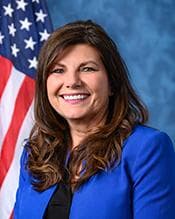
Diana Harshbarger
Republican Representative
Tennessee
Cosponsors (10)
Ways and Means Committee, Energy and Commerce Committee
- Introduced
- In Committee
- On Floor
- Passed Chamber
- Enacted
The Rural Physician Workforce Production Act of 2025 seeks to bolster the rural physician workforce by amending the Social Security Act to support rural residency training. It introduces an elective rural sustainability per resident payment amount for applicable hospitals that train residents in designated rural training locations. This payment aims to cover the difference between a newly established median national direct graduate medical education (GME) cost and any existing GME payments the hospital receives for those residents. Hospitals, including critical access hospitals and rural emergency hospitals, can elect to receive this payment, which is not subject to discounting based on Medicare patient load. For urban hospitals, the payment amount is either the full sustainability amount for residents in rural tracks or 50% for residents not in such tracks. A crucial provision ensures that residents receiving this payment do not count towards existing GME resident caps, thereby allowing for expansion of rural training without impacting current program limits. To be eligible for the payment, a resident must spend at least eight weeks in a rural training location, with the hospital covering their salary and benefits. The bill defines "rural training location" broadly to include rural areas, locations with a rural-urban commuting area code of 4.0 or greater, or sole community hospitals. Importantly, the legislation includes a budget neutrality requirement , stipulating that aggregate direct and indirect GME payments under Medicare must not exceed what they would have been without this new subsection, potentially leading to adjustments in other GME payments. Furthermore, the bill significantly modifies existing GME cap rules. For cost reporting periods beginning one year after enactment, full-time equivalent residents in approved medical residency programs that provide more than 50% of their total training time in rural training locations will be exempt from existing direct and indirect GME resident caps . This aims to further incentivize and facilitate the establishment and expansion of residency programs specifically focused on training physicians for rural practice.
Suggested Questions
Get AI-generated questions to help you understand this bill better
Timeline
Introduced in House
Referred to the Committee on Ways and Means, and in addition to the Committee on Energy and Commerce, for a period to be subsequently determined by the Speaker, in each case for consideration of such provisions as fall within the jurisdiction of the committee concerned.
Health
Education programs fundingEmergency medical services and trauma careHealth care coverage and accessHealth programs administration and fundingHospital careMedical educationMedicareRural conditions and development
Rural Physician Workforce Production Act of 2025
USA119th CongressHR-1153| House
| Updated: 2/10/2025
The Rural Physician Workforce Production Act of 2025 seeks to bolster the rural physician workforce by amending the Social Security Act to support rural residency training. It introduces an elective rural sustainability per resident payment amount for applicable hospitals that train residents in designated rural training locations. This payment aims to cover the difference between a newly established median national direct graduate medical education (GME) cost and any existing GME payments the hospital receives for those residents. Hospitals, including critical access hospitals and rural emergency hospitals, can elect to receive this payment, which is not subject to discounting based on Medicare patient load. For urban hospitals, the payment amount is either the full sustainability amount for residents in rural tracks or 50% for residents not in such tracks. A crucial provision ensures that residents receiving this payment do not count towards existing GME resident caps, thereby allowing for expansion of rural training without impacting current program limits. To be eligible for the payment, a resident must spend at least eight weeks in a rural training location, with the hospital covering their salary and benefits. The bill defines "rural training location" broadly to include rural areas, locations with a rural-urban commuting area code of 4.0 or greater, or sole community hospitals. Importantly, the legislation includes a budget neutrality requirement , stipulating that aggregate direct and indirect GME payments under Medicare must not exceed what they would have been without this new subsection, potentially leading to adjustments in other GME payments. Furthermore, the bill significantly modifies existing GME cap rules. For cost reporting periods beginning one year after enactment, full-time equivalent residents in approved medical residency programs that provide more than 50% of their total training time in rural training locations will be exempt from existing direct and indirect GME resident caps . This aims to further incentivize and facilitate the establishment and expansion of residency programs specifically focused on training physicians for rural practice.
Suggested Questions
Get AI-generated questions to help you understand this bill better
Timeline
Introduced in House
Referred to the Committee on Ways and Means, and in addition to the Committee on Energy and Commerce, for a period to be subsequently determined by the Speaker, in each case for consideration of such provisions as fall within the jurisdiction of the committee concerned.
Diana Harshbarger
Republican Representative
Tennessee
Cosponsors (10)
Ways and Means Committee, Energy and Commerce Committee
Health
- Introduced
- In Committee
- On Floor
- Passed Chamber
- Enacted
Education programs fundingEmergency medical services and trauma careHealth care coverage and accessHealth programs administration and fundingHospital careMedical educationMedicareRural conditions and development