CONSTRUCTS Act of 2025
USA119th CongressHR-1055| House
| Updated: 2/6/2025
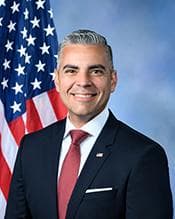
Juan Ciscomani
Republican Representative
Arizona
Cosponsors (33)
Ryan K. Zinke (Republican)Jared F. Golden (Democratic)Gabe Amo (Democratic)Ritchie Torres (Democratic)Marie Gluesenkamp Perez (Democratic)Gabe Vasquez (Democratic)Mark Alford (Republican)Robert J. Wittman (Republican)Zachary Nunn (Republican)Eugene Simon Vindman (Democratic)Donald G. Davis (Democratic)Janelle S. Bynum (Democratic)Ken Calvert (Republican)Dan Newhouse (Republican)Daniel Meuser (Republican)Jefferson Shreve (Republican)Carol D. Miller (Republican)Suhas Subramanyam (Democratic)Josh Harder (Democratic)John H. Rutherford (Republican)Jim Costa (Democratic)Joe Neguse (Democratic)Gabe Evans (Republican)William R. Keating (Democratic)Johnny Olszewski (Democratic)Seth Magaziner (Democratic)Sarah McBride (Democratic)Lori Trahan (Democratic)Monica De La Cruz (Republican)Chuck Edwards (Republican)Teresa Leger Fernandez (Democratic)Susie Lee (Democratic)Jack Bergman (Republican)
Education and Workforce Committee
- Introduced
- In Committee
- On Floor
- Passed Chamber
- Enacted
The Creating Opportunities for New Skills Training at Rural or Underserved Colleges and Trade Schools Act of 2025, or the CONSTRUCTS Act of 2025 , amends the Workforce Innovation and Opportunity Act to establish a new grant program. This program, administered by the Secretary of Labor in consultation with the Secretary of Education, aims to expand the capacity of eligible entities to provide training, education, and outreach for careers in the residential construction industry. Grants will be awarded on a competitive basis to junior or community colleges , area career and technical education schools , or other WIOA training service providers. A key focus is on serving rural areas and underserved populations , which include low-income individuals, veterans, and groups underrepresented in the construction sector, with priority given to applicants serving these demographics. Recipients must use funds to create or expand evidence-based education and training programs for various residential construction trades, such as carpentry, plumbing, and electrical work. Funds are also required for increasing the skills of incumbent workers , fostering partnerships with local residential construction businesses, and conducting outreach to K-12 students, potentially through dual enrollment programs. Permissible uses of funds include hiring technical instructors, operating training clinics in rural areas, developing promotional materials, and offering merit- or needs-based scholarships. Grantees are mandated to provide flexible schedules and supportive services for job search and placement upon program completion, ensuring compliance with all applicable labor laws and submitting performance accountability reports. The bill authorizes an appropriation of $20,000,000 for each of fiscal years 2026 through 2030 to carry out this program.
View Full TextSuggested Questions
Get AI-generated questions to help you understand this bill better
Timeline
Introduced in House
Referred to the House Committee on Education and Workforce.
Labor and Employment
Building constructionCongressional oversightEducation of the disadvantagedEducation programs fundingElementary and secondary educationEmployment and training programsHigher educationHousing supply and affordabilityPerformance measurementRural conditions and developmentVocational and technical education
CONSTRUCTS Act of 2025
USA119th CongressHR-1055| House
| Updated: 2/6/2025
The Creating Opportunities for New Skills Training at Rural or Underserved Colleges and Trade Schools Act of 2025, or the CONSTRUCTS Act of 2025 , amends the Workforce Innovation and Opportunity Act to establish a new grant program. This program, administered by the Secretary of Labor in consultation with the Secretary of Education, aims to expand the capacity of eligible entities to provide training, education, and outreach for careers in the residential construction industry. Grants will be awarded on a competitive basis to junior or community colleges , area career and technical education schools , or other WIOA training service providers. A key focus is on serving rural areas and underserved populations , which include low-income individuals, veterans, and groups underrepresented in the construction sector, with priority given to applicants serving these demographics. Recipients must use funds to create or expand evidence-based education and training programs for various residential construction trades, such as carpentry, plumbing, and electrical work. Funds are also required for increasing the skills of incumbent workers , fostering partnerships with local residential construction businesses, and conducting outreach to K-12 students, potentially through dual enrollment programs. Permissible uses of funds include hiring technical instructors, operating training clinics in rural areas, developing promotional materials, and offering merit- or needs-based scholarships. Grantees are mandated to provide flexible schedules and supportive services for job search and placement upon program completion, ensuring compliance with all applicable labor laws and submitting performance accountability reports. The bill authorizes an appropriation of $20,000,000 for each of fiscal years 2026 through 2030 to carry out this program.
View Full TextSuggested Questions
Get AI-generated questions to help you understand this bill better
Timeline
Introduced in House
Referred to the House Committee on Education and Workforce.
Juan Ciscomani
Republican Representative
Arizona
Cosponsors (33)
Ryan K. Zinke (Republican)Jared F. Golden (Democratic)Gabe Amo (Democratic)Ritchie Torres (Democratic)Marie Gluesenkamp Perez (Democratic)Gabe Vasquez (Democratic)Mark Alford (Republican)Robert J. Wittman (Republican)Zachary Nunn (Republican)Eugene Simon Vindman (Democratic)Donald G. Davis (Democratic)Janelle S. Bynum (Democratic)Ken Calvert (Republican)Dan Newhouse (Republican)Daniel Meuser (Republican)Jefferson Shreve (Republican)Carol D. Miller (Republican)Suhas Subramanyam (Democratic)Josh Harder (Democratic)John H. Rutherford (Republican)Jim Costa (Democratic)Joe Neguse (Democratic)Gabe Evans (Republican)William R. Keating (Democratic)Johnny Olszewski (Democratic)Seth Magaziner (Democratic)Sarah McBride (Democratic)Lori Trahan (Democratic)Monica De La Cruz (Republican)Chuck Edwards (Republican)Teresa Leger Fernandez (Democratic)Susie Lee (Democratic)Jack Bergman (Republican)
Education and Workforce Committee
Labor and Employment
Related Bills
- Introduced
- In Committee
- On Floor
- Passed Chamber
- Enacted
Building constructionCongressional oversightEducation of the disadvantagedEducation programs fundingElementary and secondary educationEmployment and training programsHigher educationHousing supply and affordabilityPerformance measurementRural conditions and developmentVocational and technical education