BADGES for Native Communities Act
USA119th CongressHR-1010| House
| Updated: 5/21/2026
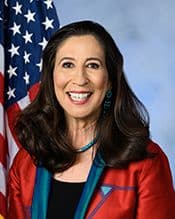
Teresa Leger Fernandez
Democratic Representative
New Mexico
Cosponsors (9)
Indian and Insular Affairs Subcommittee, Judiciary Committee, Energy and Commerce Committee, Oversight and Government Reform Committee, Natural Resources Committee
- Introduced
- In Committee
- On Floor
- Passed Chamber
- Enacted
The Bridging Agency Data Gaps and Ensuring Safety for Native Communities Act, or BADGES for Native Communities Act, seeks to enhance the Federal response to missing or murdered Indigenous persons. It focuses on improving data collection and coordination, as well as strengthening safety measures within Native communities. The bill addresses these goals through two main titles: "Bridging Agency Data Gaps" and "Ensuring Safety for Native Communities." Under Title I, the Act mandates the appointment of one or more Tribal facilitators for the National Missing and Unidentified Persons System (NAMUS). These facilitators will coordinate reporting, consult with Tribes, provide technical assistance, and conduct outreach to improve the resolution of missing persons and unidentified remains cases of interest to Indian Tribes. They are also required to submit annual reports to Congress and publish public information on their activities. Title I also requires comprehensive reporting on law enforcement personnel resources and needs in Indian country. The Bureau of Indian Affairs' Office of Justice Services must update its reporting to include unmet staffing and infrastructure needs for justice agencies. Additionally, Department of Justice law enforcement agencies must submit annual reports detailing staffing levels, turnover, experience, and vacant positions for criminal investigations and prosecutions in Indian country, followed by a GAO study on these unmet needs. Title II introduces a demonstration program for the Bureau of Indian Affairs to conduct or adjudicate personnel background investigations for law enforcement applicants, aiming to expedite the process. This program, which will sunset after five years, allows the Secretary to enter agreements with State, local, or Tribal entities to access pertinent information. A report on the program's effectiveness, costs, and processing times is required within three years. Furthermore, Title II establishes a Missing or Murdered Response Coordination Grant Program within the Office of Justice Programs. This program provides grants to Indian Tribes, Tribal organizations, and States (in consortium with Tribes) to establish statewide or regional centers for documenting and tracking missing persons, sexual violence, and death investigations of interest to Indian Tribes. Grantees can also use funds to create commissions for improved coordination and develop rapid notification systems. The bill also directs the Government Accountability Office (GAO) to conduct a study on Federal law enforcement agencies' evidence collection, handling, and processing procedures in Indian country, including barriers identified by agencies and their impact on prosecution declination rates. Finally, it requires interdepartmental coordination between the Secretaries of Health and Human Services and the Attorney General to ensure culturally appropriate mental health and wellness programs are available to Bureau of Indian Affairs and Tribal law enforcement officers.
Suggested Questions
Get AI-generated questions to help you understand this bill better
Timeline
Introduced in House
Referred to the Committee on the Judiciary, and in addition to the Committees on Energy and Commerce, Natural Resources, and Oversight and Government Reform, for a period to be subsequently determined by the Speaker, in each case for consideration of such provisions as fall within the jurisdiction of the committee concerned.
Referred to the Subcommittee on Indian and Insular Affairs.
Subcommittee Hearings Held
Native Americans
Congressional oversightCriminal justice information and recordsData collection, sharing, protectionEmployment and training programsGovernment information and archivesGovernment studies and investigationsIndian social and development programsIntergovernmental relationsLaw enforcement administration and fundingMissing personsPersonnel records
BADGES for Native Communities Act
USA119th CongressHR-1010| House
| Updated: 5/21/2026
The Bridging Agency Data Gaps and Ensuring Safety for Native Communities Act, or BADGES for Native Communities Act, seeks to enhance the Federal response to missing or murdered Indigenous persons. It focuses on improving data collection and coordination, as well as strengthening safety measures within Native communities. The bill addresses these goals through two main titles: "Bridging Agency Data Gaps" and "Ensuring Safety for Native Communities." Under Title I, the Act mandates the appointment of one or more Tribal facilitators for the National Missing and Unidentified Persons System (NAMUS). These facilitators will coordinate reporting, consult with Tribes, provide technical assistance, and conduct outreach to improve the resolution of missing persons and unidentified remains cases of interest to Indian Tribes. They are also required to submit annual reports to Congress and publish public information on their activities. Title I also requires comprehensive reporting on law enforcement personnel resources and needs in Indian country. The Bureau of Indian Affairs' Office of Justice Services must update its reporting to include unmet staffing and infrastructure needs for justice agencies. Additionally, Department of Justice law enforcement agencies must submit annual reports detailing staffing levels, turnover, experience, and vacant positions for criminal investigations and prosecutions in Indian country, followed by a GAO study on these unmet needs. Title II introduces a demonstration program for the Bureau of Indian Affairs to conduct or adjudicate personnel background investigations for law enforcement applicants, aiming to expedite the process. This program, which will sunset after five years, allows the Secretary to enter agreements with State, local, or Tribal entities to access pertinent information. A report on the program's effectiveness, costs, and processing times is required within three years. Furthermore, Title II establishes a Missing or Murdered Response Coordination Grant Program within the Office of Justice Programs. This program provides grants to Indian Tribes, Tribal organizations, and States (in consortium with Tribes) to establish statewide or regional centers for documenting and tracking missing persons, sexual violence, and death investigations of interest to Indian Tribes. Grantees can also use funds to create commissions for improved coordination and develop rapid notification systems. The bill also directs the Government Accountability Office (GAO) to conduct a study on Federal law enforcement agencies' evidence collection, handling, and processing procedures in Indian country, including barriers identified by agencies and their impact on prosecution declination rates. Finally, it requires interdepartmental coordination between the Secretaries of Health and Human Services and the Attorney General to ensure culturally appropriate mental health and wellness programs are available to Bureau of Indian Affairs and Tribal law enforcement officers.
Suggested Questions
Get AI-generated questions to help you understand this bill better
Timeline
Introduced in House
Referred to the Committee on the Judiciary, and in addition to the Committees on Energy and Commerce, Natural Resources, and Oversight and Government Reform, for a period to be subsequently determined by the Speaker, in each case for consideration of such provisions as fall within the jurisdiction of the committee concerned.
Referred to the Subcommittee on Indian and Insular Affairs.
Subcommittee Hearings Held
Teresa Leger Fernandez
Democratic Representative
New Mexico
Cosponsors (9)
Indian and Insular Affairs Subcommittee, Judiciary Committee, Energy and Commerce Committee, Oversight and Government Reform Committee, Natural Resources Committee
Native Americans
Related Bills
- Introduced
- In Committee
- On Floor
- Passed Chamber
- Enacted
Congressional oversightCriminal justice information and recordsData collection, sharing, protectionEmployment and training programsGovernment information and archivesGovernment studies and investigationsIndian social and development programsIntergovernmental relationsLaw enforcement administration and fundingMissing personsPersonnel records