EQIP Improvement Act of 2023
USA118th CongressS-658| Senate
| Updated: 3/6/2023
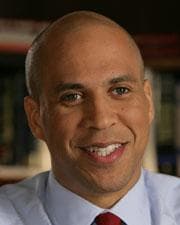
Cory A. Booker
Democratic Senator
New Jersey
Cosponsors (2)
Agriculture, Nutrition, and Forestry Committee
- Introduced
- In Committee
- On Floor
- Passed Chamber
- Enacted
EQIP Improvement Act of 2023 This bill amends the Environmental Quality Incentives Program (EQIP) to reduce and remove certain payment requirements. (EQIP provides technical and financial assistance to agricultural producers and forest landowners to address natural resource concerns.) Specifically, the bill reduces the maximum payments available to a person or legal entity under EQIP to $150,000 per five-year period (from the current level of $450,000), thereby allowing for an increase in the overall number of participants in the program; reduces federal cost sharing to 40% (from 75%) for the costs associated with planning, installation, or maintenance for specified conservation practices (e.g., access roads, dams, and waste storage facilities); and removes a requirement that 50% of EQIP funding payments go to livestock production programs.
View Full TextSuggested Questions
Get AI-generated questions to help you understand this bill better
Timeline
Introduced in Senate
Read twice and referred to the Committee on Agriculture, Nutrition, and Forestry.
Latest Companion Bill Action
HR 118-5252Referred to the Subcommittee on Conservation, Research, and Biotechnology.
Agriculture and Food
Agricultural conservation and pollutionAgricultural prices, subsidies, creditCongressional oversightLand use and conservationWater qualityWildlife conservation and habitat protection
EQIP Improvement Act of 2023
USA118th CongressS-658| Senate
| Updated: 3/6/2023
EQIP Improvement Act of 2023 This bill amends the Environmental Quality Incentives Program (EQIP) to reduce and remove certain payment requirements. (EQIP provides technical and financial assistance to agricultural producers and forest landowners to address natural resource concerns.) Specifically, the bill reduces the maximum payments available to a person or legal entity under EQIP to $150,000 per five-year period (from the current level of $450,000), thereby allowing for an increase in the overall number of participants in the program; reduces federal cost sharing to 40% (from 75%) for the costs associated with planning, installation, or maintenance for specified conservation practices (e.g., access roads, dams, and waste storage facilities); and removes a requirement that 50% of EQIP funding payments go to livestock production programs.
View Full TextSuggested Questions
Get AI-generated questions to help you understand this bill better
Timeline
Introduced in Senate
Read twice and referred to the Committee on Agriculture, Nutrition, and Forestry.
Latest Companion Bill Action
HR 118-5252Referred to the Subcommittee on Conservation, Research, and Biotechnology.
Cory A. Booker
Democratic Senator
New Jersey
Cosponsors (2)
Agriculture, Nutrition, and Forestry Committee
Agriculture and Food
Related Bills
- Introduced
- In Committee
- On Floor
- Passed Chamber
- Enacted
Agricultural conservation and pollutionAgricultural prices, subsidies, creditCongressional oversightLand use and conservationWater qualityWildlife conservation and habitat protection