Overtime Pay for Protective Services Act of 2023
USA118th CongressS-3427| Senate
| Updated: 2/6/2024
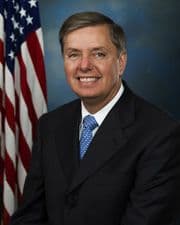
Lindsey Graham
Republican Senator
South Carolina
Cosponsors (3)
Judiciary Committee
- Introduced
- In Committee
- On Floor
- Passed Chamber
- Enacted
Overtime Pay for Protective Services Act of 2023 This act generally extends through 2028 the authority to provide premium pay to protective services employees of the U.S. Secret Service even if it causes the employee's annual pay to exceed the statutory cap. The act also requires the Secret Service to provide related information to Congress. Under the act, a protective services employee may receive premium pay even if the premium pay causes the employee's total annual pay to exceed the statutory cap that applies to these employees. (Generally, protective services employees' pay may not exceed the rate of basic pay payable for General Schedule 15 or the maximum rate payable for level V of the Executive Schedule.) Secret Service employees who perform routine administrative or technical work are not eligible for this premium pay. The act provides that, if the act is enacted after December 31, 2023, the extension applies as if it were enacted on December 31, 2023. Next, within 180 days of the act's enactment, the Secret Service must report to Congress on how it is addressing the demand for Secret Service protection personnel and recommend strategies for reducing the use of overtime. The act provides that such strategies must include the appointment of additional personnel, redistributing the workload amongst Secret Service personnel, solutions such that premium pay exceptions or waivers are not needed, and other improvements in operational efficiency. The act also requires the Secret Service to report to Congress its projections for the following: (1) the number of employees receiving premium pay above the statutory cap; (2) the number of employees who were not fully compensated due to the statutory cap and the total amount that employees would have been paid without the cap; (3) the total, median, mean, and greatest amounts of premium pay above the cap; and (4) a list of personnel who received premium pay above the cap and separated from the agency. This information must be provided no later than 30 days after the act's enactment for calendar year 2024. Thereafter, the report must be provided by December 31 for each calendar year through 2027 and updated quarterly. Further, the Secret Service must report to Congress on the effect that the act has had on this data.
Suggested Questions
Get AI-generated questions to help you understand this bill better
Timeline
Introduced in Senate
Read twice and referred to the Committee on the Judiciary.
Passed Senate without amendment by Unanimous Consent. (consideration: CR S6025; text: CR S6025)
Passed/agreed to in Senate: Passed Senate without amendment by Unanimous Consent. (consideration: CR S6025; text: CR S6025)
Senate Committee on the Judiciary discharged by Unanimous Consent.
Message on Senate action sent to the House.
Received in the House.
Held at the desk.
Mr. Donalds moved to suspend the rules and pass the bill.
Considered under suspension of the rules. (consideration: CR H258-260)
DEBATE - The House proceeded with forty minutes of debate on S. 3427.
At the conclusion of debate, the Yeas and Nays were demanded and ordered. Pursuant to the provisions of clause 8, rule XX, the Chair announced that further proceedings on the motion would be postponed.
Considered as unfinished business. (consideration: CR H266-267)
On motion to suspend the rules and pass the bill Agreed to by the Yeas and Nays: (2/3 required): 379 - 20 (Roll no. 21). (text: CR H258-259)
View VoteMotion to reconsider laid on the table Agreed to without objection.
Presented to President.
Signed by President.
Became Public Law No: 118-38.
Government Operations and Politics
Congressional oversightGovernment employee pay, benefits, personnel managementGovernment information and archivesProtection of officials
Overtime Pay for Protective Services Act of 2023
USA118th CongressS-3427| Senate
| Updated: 2/6/2024
Overtime Pay for Protective Services Act of 2023 This act generally extends through 2028 the authority to provide premium pay to protective services employees of the U.S. Secret Service even if it causes the employee's annual pay to exceed the statutory cap. The act also requires the Secret Service to provide related information to Congress. Under the act, a protective services employee may receive premium pay even if the premium pay causes the employee's total annual pay to exceed the statutory cap that applies to these employees. (Generally, protective services employees' pay may not exceed the rate of basic pay payable for General Schedule 15 or the maximum rate payable for level V of the Executive Schedule.) Secret Service employees who perform routine administrative or technical work are not eligible for this premium pay. The act provides that, if the act is enacted after December 31, 2023, the extension applies as if it were enacted on December 31, 2023. Next, within 180 days of the act's enactment, the Secret Service must report to Congress on how it is addressing the demand for Secret Service protection personnel and recommend strategies for reducing the use of overtime. The act provides that such strategies must include the appointment of additional personnel, redistributing the workload amongst Secret Service personnel, solutions such that premium pay exceptions or waivers are not needed, and other improvements in operational efficiency. The act also requires the Secret Service to report to Congress its projections for the following: (1) the number of employees receiving premium pay above the statutory cap; (2) the number of employees who were not fully compensated due to the statutory cap and the total amount that employees would have been paid without the cap; (3) the total, median, mean, and greatest amounts of premium pay above the cap; and (4) a list of personnel who received premium pay above the cap and separated from the agency. This information must be provided no later than 30 days after the act's enactment for calendar year 2024. Thereafter, the report must be provided by December 31 for each calendar year through 2027 and updated quarterly. Further, the Secret Service must report to Congress on the effect that the act has had on this data.
Suggested Questions
Get AI-generated questions to help you understand this bill better
Timeline
Introduced in Senate
Read twice and referred to the Committee on the Judiciary.
Passed Senate without amendment by Unanimous Consent. (consideration: CR S6025; text: CR S6025)
Passed/agreed to in Senate: Passed Senate without amendment by Unanimous Consent. (consideration: CR S6025; text: CR S6025)
Senate Committee on the Judiciary discharged by Unanimous Consent.
Message on Senate action sent to the House.
Received in the House.
Held at the desk.
Mr. Donalds moved to suspend the rules and pass the bill.
Considered under suspension of the rules. (consideration: CR H258-260)
DEBATE - The House proceeded with forty minutes of debate on S. 3427.
At the conclusion of debate, the Yeas and Nays were demanded and ordered. Pursuant to the provisions of clause 8, rule XX, the Chair announced that further proceedings on the motion would be postponed.
Considered as unfinished business. (consideration: CR H266-267)
On motion to suspend the rules and pass the bill Agreed to by the Yeas and Nays: (2/3 required): 379 - 20 (Roll no. 21). (text: CR H258-259)
View VoteMotion to reconsider laid on the table Agreed to without objection.
Presented to President.
Signed by President.
Became Public Law No: 118-38.
Lindsey Graham
Republican Senator
South Carolina
Cosponsors (3)
Judiciary Committee
Government Operations and Politics
- Introduced
- In Committee
- On Floor
- Passed Chamber
- Enacted
Congressional oversightGovernment employee pay, benefits, personnel managementGovernment information and archivesProtection of officials