Supreme Court Ethics Act
USA118th CongressS-325| Senate
| Updated: 2/9/2023
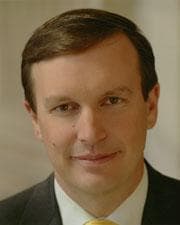
Christopher Murphy
Democratic Senator
Connecticut
Cosponsors (30)
Jeanne Shaheen (Democratic)Mazie K. Hirono (Democratic)Tammy Duckworth (Democratic)Dianne Feinstein (Democratic)Catherine Cortez Masto (Democratic)Richard J. Durbin (Democratic)Edward J. Markey (Democratic)Ben Ray Luján (Democratic)Thomas R. Carper (Democratic)Amy Klobuchar (Democratic)John W. Hickenlooper (Democratic)Robert P. Casey (Democratic)Chris Van Hollen (Democratic)Debbie Stabenow (Democratic)Martin Heinrich (Democratic)Michael F. Bennet (Democratic)Patty Murray (Democratic)John Fetterman (Democratic)Tina Smith (Democratic)Sherrod Brown (Democratic)Bernard Sanders (Independent)Brian Schatz (Democratic)Tammy Baldwin (Democratic)Cory A. Booker (Democratic)Peter Welch (Democratic)Benjamin L. Cardin (Democratic)Jeff Merkley (Democratic)Gary C. Peters (Democratic)Ron Wyden (Democratic)Richard Blumenthal (Democratic)
Judiciary Committee
- Introduced
- In Committee
- On Floor
- Passed Chamber
- Enacted
Supreme Court Ethics Act This bill establishes a new statutory requirement for the Judicial Conference of the United States to issue a judicial code of conduct for judges and justices of U.S. courts, including Justices of the Supreme Court. Currently, the Judicial Conference issues a code of conduct for judges of U.S. courts (but not for Justices of the Supreme Court). To enforce the code of conduct for Justices of the Supreme Court, the bill requires the Supreme Court to appoint an ethics investigations counsel. The ethics investigations counsel must adopt rules to enforce the code of conduct, including a process to receive public complaints of potential violations; investigate complaints; and issue an annual public report describing the complaints and the steps taken to address the complaints. Finally, the bill requires a Justice of the Supreme Court to publicly disclose the reasons for disqualifying himself or herself in a proceeding or the reasons for denying a motion to disqualify himself or herself in a proceeding.
View Full TextSuggested Questions
Get AI-generated questions to help you understand this bill better
Timeline
Introduced in Senate
Read twice and referred to the Committee on the Judiciary.
Law
Employee performanceGovernment ethics and transparency, public corruptionGovernment information and archivesGovernment studies and investigationsJudgesSupreme Court
Supreme Court Ethics Act
USA118th CongressS-325| Senate
| Updated: 2/9/2023
Supreme Court Ethics Act This bill establishes a new statutory requirement for the Judicial Conference of the United States to issue a judicial code of conduct for judges and justices of U.S. courts, including Justices of the Supreme Court. Currently, the Judicial Conference issues a code of conduct for judges of U.S. courts (but not for Justices of the Supreme Court). To enforce the code of conduct for Justices of the Supreme Court, the bill requires the Supreme Court to appoint an ethics investigations counsel. The ethics investigations counsel must adopt rules to enforce the code of conduct, including a process to receive public complaints of potential violations; investigate complaints; and issue an annual public report describing the complaints and the steps taken to address the complaints. Finally, the bill requires a Justice of the Supreme Court to publicly disclose the reasons for disqualifying himself or herself in a proceeding or the reasons for denying a motion to disqualify himself or herself in a proceeding.
View Full TextSuggested Questions
Get AI-generated questions to help you understand this bill better
Timeline
Introduced in Senate
Read twice and referred to the Committee on the Judiciary.
Christopher Murphy
Democratic Senator
Connecticut
Cosponsors (30)
Jeanne Shaheen (Democratic)Mazie K. Hirono (Democratic)Tammy Duckworth (Democratic)Dianne Feinstein (Democratic)Catherine Cortez Masto (Democratic)Richard J. Durbin (Democratic)Edward J. Markey (Democratic)Ben Ray Luján (Democratic)Thomas R. Carper (Democratic)Amy Klobuchar (Democratic)John W. Hickenlooper (Democratic)Robert P. Casey (Democratic)Chris Van Hollen (Democratic)Debbie Stabenow (Democratic)Martin Heinrich (Democratic)Michael F. Bennet (Democratic)Patty Murray (Democratic)John Fetterman (Democratic)Tina Smith (Democratic)Sherrod Brown (Democratic)Bernard Sanders (Independent)Brian Schatz (Democratic)Tammy Baldwin (Democratic)Cory A. Booker (Democratic)Peter Welch (Democratic)Benjamin L. Cardin (Democratic)Jeff Merkley (Democratic)Gary C. Peters (Democratic)Ron Wyden (Democratic)Richard Blumenthal (Democratic)
Judiciary Committee
Law
Related Bills
- Introduced
- In Committee
- On Floor
- Passed Chamber
- Enacted
Employee performanceGovernment ethics and transparency, public corruptionGovernment information and archivesGovernment studies and investigationsJudgesSupreme Court