Collaborative Forest Landscape Restoration Program Reauthorization Act of 2023
USA118th CongressS-202| Senate
| Updated: 2/1/2023
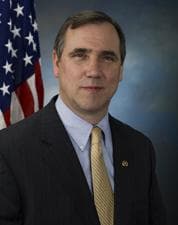
Jeff Merkley
Democratic Senator
Oregon
Cosponsors (5)
Agriculture, Nutrition, and Forestry Committee
- Introduced
- In Committee
- On Floor
- Passed Chamber
- Enacted
Collaborative Forest Landscape Restoration Program Reauthorization Act of 2023 This bill reauthorizes and expands the Collaborative Forest Landscape Restoration program, which helps fund collaborative and community-based forest management. To be eligible for support, a collaborative forest landscape restoration proposal must describe plans to prevent, remediate, or control invasions of pathogens. For each proposal nominated for selection by a Forest Service regional office, the office must provide a federal government staffing plan for providing support to collaboratives. In selecting proposals, the Department of Agriculture must give special consideration to proposals that seek to use innovative implementation mechanisms, including conservation finance agreements and good neighbor agreements; reduce the risk of uncharacteristic wildfire or increase ecological restoration activities within areas across land ownerships and within the wildland-urban interface; and enhance watershed health and drinking water sources. The bill increases the number of proposals that may be funded during any fiscal year.
View Full TextSuggested Questions
Get AI-generated questions to help you understand this bill better
Timeline
Introduced in Senate
Read twice and referred to the Committee on Agriculture, Nutrition, and Forestry.
Public Lands and Natural Resources
Collaborative Forest Landscape Restoration Program Reauthorization Act of 2023
USA118th CongressS-202| Senate
| Updated: 2/1/2023
Collaborative Forest Landscape Restoration Program Reauthorization Act of 2023 This bill reauthorizes and expands the Collaborative Forest Landscape Restoration program, which helps fund collaborative and community-based forest management. To be eligible for support, a collaborative forest landscape restoration proposal must describe plans to prevent, remediate, or control invasions of pathogens. For each proposal nominated for selection by a Forest Service regional office, the office must provide a federal government staffing plan for providing support to collaboratives. In selecting proposals, the Department of Agriculture must give special consideration to proposals that seek to use innovative implementation mechanisms, including conservation finance agreements and good neighbor agreements; reduce the risk of uncharacteristic wildfire or increase ecological restoration activities within areas across land ownerships and within the wildland-urban interface; and enhance watershed health and drinking water sources. The bill increases the number of proposals that may be funded during any fiscal year.
View Full TextSuggested Questions
Get AI-generated questions to help you understand this bill better
Timeline
Introduced in Senate
Read twice and referred to the Committee on Agriculture, Nutrition, and Forestry.
Jeff Merkley
Democratic Senator
Oregon
Cosponsors (5)
Agriculture, Nutrition, and Forestry Committee
Public Lands and Natural Resources
Related Bills
- Introduced
- In Committee
- On Floor
- Passed Chamber
- Enacted