Black Maternal Health Momnibus Act
USA118th CongressS-1606| Senate
| Updated: 5/15/2023
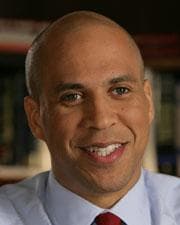
Cory A. Booker
Democratic Senator
New Jersey
Cosponsors (32)
Mazie K. Hirono (Democratic)Tammy Duckworth (Democratic)Dianne Feinstein (Democratic)Catherine Cortez Masto (Democratic)Richard J. Durbin (Democratic)Edward J. Markey (Democratic)Kirsten E. Gillibrand (Democratic)Elizabeth Warren (Democratic)Alex Padilla (Democratic)Amy Klobuchar (Democratic)Laphonza R. Butler (Democratic)Robert P. Casey (Democratic)Tim Kaine (Democratic)Sheldon Whitehouse (Democratic)Chris Van Hollen (Democratic)Christopher Murphy (Democratic)Debbie Stabenow (Democratic)Martin Heinrich (Democratic)Michael F. Bennet (Democratic)John Fetterman (Democratic)Tina Smith (Democratic)Sherrod Brown (Democratic)Bernard Sanders (Independent)Brian Schatz (Democratic)Tammy Baldwin (Democratic)Peter Welch (Democratic)Benjamin L. Cardin (Democratic)Robert Menendez (Democratic)Jeff Merkley (Democratic)Raphael G. Warnock (Democratic)Gary C. Peters (Democratic)Richard Blumenthal (Democratic)
Health, Education, Labor, and Pensions Committee
- Introduced
- In Committee
- On Floor
- Passed Chamber
- Enacted
Black Maternal Health Momnibus Act This bill directs multi-agency efforts to improve maternal health with a particular focus on racial and ethnic minority groups, veterans, and other vulnerable populations. The Department of Health and Human Services (HHS) must address the social determinants of maternal health (i.e., child care, housing, and other nonmedical factors that affect health outcomes). HHS and other departments must also carry out other actions to increase access to maternal health care and otherwise improve maternal health, such as growing and diversifying the maternal health workforce; establishing various grants and other programs, including ones related to maternal health disparities and maternal behavioral health; testing alternative payment models for perinatal care in Medicaid and the Children's Health Insurance Program (CHIP); addressing maternal health during public health emergencies; and supporting training, technology, and telehealth initiatives. The bill further provides for extended postpartum and breastfeeding eligibility for the Special Supplemental Nutrition Program for Women, Infants, and Children; increased research and data collection on maternal health indicators; activities to mitigate adverse maternal health outcomes associated with climate change; and expanded public education to improve maternal vaccination rates. The bill also addresses maternal health for incarcerated populations. For example, it (1) requires the Bureau of Prisons and the Department of Justice to establish programs to improve maternity care; and (2) reduces grants for criminal justice activities unless the recipient state or territory has a law to limit the use of restraints during pregnancy for incarcerated populations.
View Full TextSuggested Questions
Get AI-generated questions to help you understand this bill better
Timeline
Introduced in Senate
Read twice and referred to the Committee on Health, Education, Labor, and Pensions.
Health
Advisory bodiesAir qualityAlaska Natives and HawaiiansCardiovascular and respiratory healthChild healthClimate change and greenhouse gasesCommunity life and organizationCongressional oversightCorrectional facilities and imprisonmentDetention of personsDrug, alcohol, tobacco useEducation programs fundingEmployee hiringEmployment and training programsEnvironmental assessment, monitoring, researchEnvironmental healthForeign language and bilingual programsGovernment information and archivesGovernment studies and investigationsHealth care coverage and accessHealth care qualityHealth information and medical recordsHealth personnelHealth programs administration and fundingHealth promotion and preventive careHealth technology, devices, suppliesHigher educationImmunology and vaccinationIndian social and development programsInfectious and parasitic diseasesIntergovernmental relationsInternet, web applications, social mediaLighting, heating, coolingMedicaidMedical educationMedical tests and diagnostic methodsMental healthMinority educationMinority employmentMinority healthNursingNutrition and dietPerformance measurementPoverty and welfare assistanceRacial and ethnic relationsResearch administration and fundingSex and reproductive healthState and local government operationsVeterans' medical careWomen's health
Black Maternal Health Momnibus Act
USA118th CongressS-1606| Senate
| Updated: 5/15/2023
Black Maternal Health Momnibus Act This bill directs multi-agency efforts to improve maternal health with a particular focus on racial and ethnic minority groups, veterans, and other vulnerable populations. The Department of Health and Human Services (HHS) must address the social determinants of maternal health (i.e., child care, housing, and other nonmedical factors that affect health outcomes). HHS and other departments must also carry out other actions to increase access to maternal health care and otherwise improve maternal health, such as growing and diversifying the maternal health workforce; establishing various grants and other programs, including ones related to maternal health disparities and maternal behavioral health; testing alternative payment models for perinatal care in Medicaid and the Children's Health Insurance Program (CHIP); addressing maternal health during public health emergencies; and supporting training, technology, and telehealth initiatives. The bill further provides for extended postpartum and breastfeeding eligibility for the Special Supplemental Nutrition Program for Women, Infants, and Children; increased research and data collection on maternal health indicators; activities to mitigate adverse maternal health outcomes associated with climate change; and expanded public education to improve maternal vaccination rates. The bill also addresses maternal health for incarcerated populations. For example, it (1) requires the Bureau of Prisons and the Department of Justice to establish programs to improve maternity care; and (2) reduces grants for criminal justice activities unless the recipient state or territory has a law to limit the use of restraints during pregnancy for incarcerated populations.
View Full TextSuggested Questions
Get AI-generated questions to help you understand this bill better
Timeline
Introduced in Senate
Read twice and referred to the Committee on Health, Education, Labor, and Pensions.
Cory A. Booker
Democratic Senator
New Jersey
Cosponsors (32)
Mazie K. Hirono (Democratic)Tammy Duckworth (Democratic)Dianne Feinstein (Democratic)Catherine Cortez Masto (Democratic)Richard J. Durbin (Democratic)Edward J. Markey (Democratic)Kirsten E. Gillibrand (Democratic)Elizabeth Warren (Democratic)Alex Padilla (Democratic)Amy Klobuchar (Democratic)Laphonza R. Butler (Democratic)Robert P. Casey (Democratic)Tim Kaine (Democratic)Sheldon Whitehouse (Democratic)Chris Van Hollen (Democratic)Christopher Murphy (Democratic)Debbie Stabenow (Democratic)Martin Heinrich (Democratic)Michael F. Bennet (Democratic)John Fetterman (Democratic)Tina Smith (Democratic)Sherrod Brown (Democratic)Bernard Sanders (Independent)Brian Schatz (Democratic)Tammy Baldwin (Democratic)Peter Welch (Democratic)Benjamin L. Cardin (Democratic)Robert Menendez (Democratic)Jeff Merkley (Democratic)Raphael G. Warnock (Democratic)Gary C. Peters (Democratic)Richard Blumenthal (Democratic)
Health, Education, Labor, and Pensions Committee
Health
Related Bills
- S 118-1601: Protecting Moms and Babies Against Climate Change Act
- HR 118-3310: Kira Johnson Act
- HR 118-3303: Maternal Health for Veterans Act
- HR 118-3305: Black Maternal Health Momnibus Act
- S 118-4060: Justice for Incarcerated Moms Act
- HR 118-3332: Extending WIC for New Moms Act
- S 118-1593: Extending WIC for New Moms Act
- HR 118-3312: Moms Matter Act
- HR 118-3348: Maternal Vaccination Act
- S 118-1797: IMPACT to Save Moms Act
- Introduced
- In Committee
- On Floor
- Passed Chamber
- Enacted
Advisory bodiesAir qualityAlaska Natives and HawaiiansCardiovascular and respiratory healthChild healthClimate change and greenhouse gasesCommunity life and organizationCongressional oversightCorrectional facilities and imprisonmentDetention of personsDrug, alcohol, tobacco useEducation programs fundingEmployee hiringEmployment and training programsEnvironmental assessment, monitoring, researchEnvironmental healthForeign language and bilingual programsGovernment information and archivesGovernment studies and investigationsHealth care coverage and accessHealth care qualityHealth information and medical recordsHealth personnelHealth programs administration and fundingHealth promotion and preventive careHealth technology, devices, suppliesHigher educationImmunology and vaccinationIndian social and development programsInfectious and parasitic diseasesIntergovernmental relationsInternet, web applications, social mediaLighting, heating, coolingMedicaidMedical educationMedical tests and diagnostic methodsMental healthMinority educationMinority employmentMinority healthNursingNutrition and dietPerformance measurementPoverty and welfare assistanceRacial and ethnic relationsResearch administration and fundingSex and reproductive healthState and local government operationsVeterans' medical careWomen's health