Protecting Taxpayers and Victims of Unemployment Fraud Act
USA118th CongressS-1587| Senate
| Updated: 5/11/2023
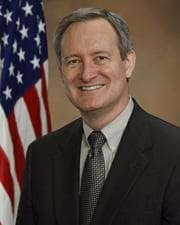
Mike Crapo
Republican Senator
Idaho
Cosponsors (16)
Rick Scott (Republican)Bill Cassidy (Republican)Mike Braun (Republican)Roger Marshall (Republican)James E. Risch (Republican)Marsha Blackburn (Republican)Todd Young (Republican)Mitt Romney (Republican)John Thune (Republican)Kevin Cramer (Republican)James Lankford (Republican)John Kennedy (Republican)John Barrasso (Republican)Susan M. Collins (Republican)Ted Budd (Republican)Shelley Moore Capito (Republican)
Finance Committee
- Introduced
- In Committee
- On Floor
- Passed Chamber
- Enacted
Protecting Taxpayers and Victims of Unemployment Fraud Act This bill addresses overpayments of unemployment insurance (UI) benefits, including by providing incentives for states to investigate and recover these funds. Specifically, the bill allows a state to retain 25% of any funds recovered from fraudulent overpayments of certain UI benefits that were provided during the COVID-19 pandemic. These retained funds must be used for specified program integrity measures, such as modernizing UI systems and information technology and hiring fraud investigators. The bill allows a state to retain up to 5% of (1) any UI overpayment it recovers, except where the overpayment is due to state agency error; and (2) any unpaid employer contributions that the state recovers, if the state certifies that it has enacted certain fraud detection measures. A state must use the retained funds for specified purposes, such as deterring, detecting, and preventing improper payments. Additionally, the bill extends from 3 to 10 years the time during which states must recover overpayments of pandemic UI benefits through benefit offsets. The bill also extends from 5 to 10 years the statute of limitations for federal criminal charges or civil enforcement actions related to UI fraud. Further, the bill extends an exception to the federal requirement that state UI personnel be hired on a merit basis. The bill allows a state to hire temporary staff on a noncompetitive basis through December 31, 2030. Finally, the bill repeals a provision that provided funding to the Department of Labor for UI program integrity activities.
View Full TextSuggested Questions
Get AI-generated questions to help you understand this bill better
Timeline
Introduced in Senate
Read twice and referred to the Committee on Finance.
Latest Companion Bill Action
HR 118-1163Motion to reconsider laid on the table Agreed to without objection.
Labor and Employment
Protecting Taxpayers and Victims of Unemployment Fraud Act
USA118th CongressS-1587| Senate
| Updated: 5/11/2023
Protecting Taxpayers and Victims of Unemployment Fraud Act This bill addresses overpayments of unemployment insurance (UI) benefits, including by providing incentives for states to investigate and recover these funds. Specifically, the bill allows a state to retain 25% of any funds recovered from fraudulent overpayments of certain UI benefits that were provided during the COVID-19 pandemic. These retained funds must be used for specified program integrity measures, such as modernizing UI systems and information technology and hiring fraud investigators. The bill allows a state to retain up to 5% of (1) any UI overpayment it recovers, except where the overpayment is due to state agency error; and (2) any unpaid employer contributions that the state recovers, if the state certifies that it has enacted certain fraud detection measures. A state must use the retained funds for specified purposes, such as deterring, detecting, and preventing improper payments. Additionally, the bill extends from 3 to 10 years the time during which states must recover overpayments of pandemic UI benefits through benefit offsets. The bill also extends from 5 to 10 years the statute of limitations for federal criminal charges or civil enforcement actions related to UI fraud. Further, the bill extends an exception to the federal requirement that state UI personnel be hired on a merit basis. The bill allows a state to hire temporary staff on a noncompetitive basis through December 31, 2030. Finally, the bill repeals a provision that provided funding to the Department of Labor for UI program integrity activities.
View Full TextSuggested Questions
Get AI-generated questions to help you understand this bill better
Timeline
Introduced in Senate
Read twice and referred to the Committee on Finance.
Latest Companion Bill Action
HR 118-1163Motion to reconsider laid on the table Agreed to without objection.
Mike Crapo
Republican Senator
Idaho
Cosponsors (16)
Rick Scott (Republican)Bill Cassidy (Republican)Mike Braun (Republican)Roger Marshall (Republican)James E. Risch (Republican)Marsha Blackburn (Republican)Todd Young (Republican)Mitt Romney (Republican)John Thune (Republican)Kevin Cramer (Republican)James Lankford (Republican)John Kennedy (Republican)John Barrasso (Republican)Susan M. Collins (Republican)Ted Budd (Republican)Shelley Moore Capito (Republican)
Finance Committee
Labor and Employment
- Introduced
- In Committee
- On Floor
- Passed Chamber
- Enacted