Preventing Adversaries from Developing Critical Capabilities Act
USA118th CongressHR-6349| House
| Updated: 11/29/2023
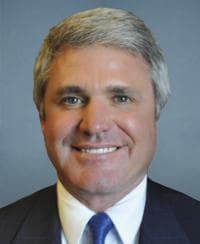
Michael T. McCaul
Republican Representative
Texas
Cosponsors (16)
Elise M. Stefanik (Republican)Dina Titus (Democratic)David Rouzer (Republican)John James (Republican)Sheila Cherfilus-McCormick (Democratic)Christopher H. Smith (Republican)Joe Wilson (Republican)Gregory W. Meeks (Democratic)Dean Phillips (Democratic)Raja Krishnamoorthi (Democratic)Brian J. Mast (Republican)Ami Bera (Democratic)Mike Gallagher (Republican)Michael R. Turner (Republican)Colin Z. Allred (Democratic)Cory Mills (Republican)
Foreign Affairs Committee
- Introduced
- In Committee
- On Floor
- Passed Chamber
- Enacted
Preventing Adversaries from Developing Critical Capabilities Act This bill requires the President to (1) identify categories of technologies and products in certain advanced technology sectors that may pose a particularly acute threat to national security if developed or acquired by North Korea, China, Russia, or Iran; and (2) prohibit U.S. persons from engaging in transactions related to identified categories with those countries. The Department of State should conduct bilateral and multilateral engagement with partners and allies to coordinate protocols and procedures to facilitate the prevention of such transactions. Additionally, the President is authorized to exercise all emergency economic powers to implement this bill, including imposing sanctions on foreign persons.
View Full TextSuggested Questions
Get AI-generated questions to help you understand this bill better
Timeline
Introduced in House
Referred to the House Committee on Foreign Affairs.
Ordered to be Reported by Voice Vote.
Committee Consideration and Mark-up Session Held
International Affairs
Administrative law and regulatory proceduresAdvanced technology and technological innovationsCivil actions and liabilityComputers and information technologyCongressional oversightExecutive Office of the PresidentFinancial services and investmentsForeign and international bankingHomeland securityPresidents and presidential powers, Vice PresidentsSecuritiesU.S. and foreign investments
Preventing Adversaries from Developing Critical Capabilities Act
USA118th CongressHR-6349| House
| Updated: 11/29/2023
Preventing Adversaries from Developing Critical Capabilities Act This bill requires the President to (1) identify categories of technologies and products in certain advanced technology sectors that may pose a particularly acute threat to national security if developed or acquired by North Korea, China, Russia, or Iran; and (2) prohibit U.S. persons from engaging in transactions related to identified categories with those countries. The Department of State should conduct bilateral and multilateral engagement with partners and allies to coordinate protocols and procedures to facilitate the prevention of such transactions. Additionally, the President is authorized to exercise all emergency economic powers to implement this bill, including imposing sanctions on foreign persons.
View Full TextSuggested Questions
Get AI-generated questions to help you understand this bill better
Timeline
Introduced in House
Referred to the House Committee on Foreign Affairs.
Ordered to be Reported by Voice Vote.
Committee Consideration and Mark-up Session Held
Michael T. McCaul
Republican Representative
Texas
Cosponsors (16)
Elise M. Stefanik (Republican)Dina Titus (Democratic)David Rouzer (Republican)John James (Republican)Sheila Cherfilus-McCormick (Democratic)Christopher H. Smith (Republican)Joe Wilson (Republican)Gregory W. Meeks (Democratic)Dean Phillips (Democratic)Raja Krishnamoorthi (Democratic)Brian J. Mast (Republican)Ami Bera (Democratic)Mike Gallagher (Republican)Michael R. Turner (Republican)Colin Z. Allred (Democratic)Cory Mills (Republican)
Foreign Affairs Committee
International Affairs
Related Bills
- Introduced
- In Committee
- On Floor
- Passed Chamber
- Enacted
Administrative law and regulatory proceduresAdvanced technology and technological innovationsCivil actions and liabilityComputers and information technologyCongressional oversightExecutive Office of the PresidentFinancial services and investmentsForeign and international bankingHomeland securityPresidents and presidential powers, Vice PresidentsSecuritiesU.S. and foreign investments