WISE Act of 2023
USA118th CongressHR-5145| House
| Updated: 12/17/2024
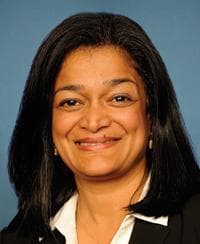
Pramila Jayapal
Democratic Representative
Washington
Cosponsors (44)
Nikema Williams (Democratic)Becca Balint (Democratic)Sylvia R. Garcia (Democratic)Adam B. Schiff (Democratic)Barbara Lee (Democratic)Robert Menendez (Democratic)Sheila Jackson Lee (Democratic)Ilhan Omar (Democratic)Jimmy Panetta (Democratic)Melanie A. Stansbury (Democratic)Andrea Salinas (Democratic)Delia C. Ramirez (Democratic)Greg Casar (Democratic)Adriano Espaillat (Democratic)Shri Thanedar (Democratic)Ro Khanna (Democratic)Henry C. "Hank" Johnson (Democratic)Joaquin Castro (Democratic)Mark DeSaulnier (Democratic)Daniel S. Goldman (Democratic)Jerrold Nadler (Democratic)Eleanor Holmes Norton (Democratic)Mary Gay Scanlon (Democratic)Salud O. Carbajal (Democratic)Sean Casten (Democratic)Janice D. Schakowsky (Democratic)Andy Kim (Democratic)James P. McGovern (Democratic)Alexandria Ocasio-Cortez (Democratic)Adam Smith (Democratic)Yvette D. Clarke (Democratic)Earl Blumenauer (Democratic)Deborah K. Ross (Democratic)Nanette Diaz Barragán (Democratic)Jesús G. "Chuy" García (Democratic)Gwen Moore (Democratic)Grace Meng (Democratic)Rashida Tlaib (Democratic)Jamaal Bowman (Democratic)Debbie Wasserman Schultz (Democratic)Grace F. Napolitano (Democratic)Katie Porter (Democratic)Cori Bush (Democratic)Judy Chu (Democratic)
Committees (9)
• Ways and Means Committee• Social Security Subcommittee• Agriculture Committee• Financial Services Committee• Health Subcommittee• Judiciary Committee• Energy and Commerce Committee• Education and Workforce Committee• Nutrition and Foreign Agriculture Subcommittee
- Introduced
- In Committee
- On Floor
- Passed Chamber
- Enacted
Working for Immigrant Safety and Empowerment Act of 2023 or the WISE Act of 2023 This bill expands eligibility for U nonimmigrant visas (victims of criminal activity) and addresses related issues. Generally, U visas are for victims of specified crimes (e.g., rape, trafficking, or domestic violence) who assist with the investigation or prosecution of the crime. The bill adds hate crimes, child abuse, and elder abuse as crimes that may qualify a victim for a U visa. Furthermore, the Department of Homeland Security (DHS) must provide work authorization to U visa applicants, whereas currently DHS may grant work authorization but is not required to do so. The bill also eliminates the annual numerical cap on U visas. The bill establishes a rebuttable presumption that certain individuals, including U visa applicants and T visa (victims of human trafficking) applicants, shall not be detained while the application is pending. Additionally, the bill provides immigration-related protections, such as by extending the admission period and providing work authorization, to the spouse or child of a nonimmigrant visa holder who subjected that spouse or child to battery or extreme cruelty. Further, the bill prohibits, with some exceptions for exigent circumstances, U.S. Immigration and Customs Enforcement or U.S. Customs and Border Protection from conducting immigration enforcement actions within 1,000 feet of a school, health care facility, place of worship, or other location specified in the bill.
View Full TextSuggested Questions
Get AI-generated questions to help you understand this bill better
Timeline
Introduced in House
Referred to the Committee on the Judiciary, and in addition to the Committees on Ways and Means, Agriculture, Education and the Workforce, Energy and Commerce, and Financial Services, for a period to be subsequently determined by the Speaker, in each case for consideration of such provisions as fall within the jurisdiction of the committee concerned.
Referred to the Subcommittee on Health.
Referred to the Subcommittee on Nutrition, Foreign Agriculture, and Horticulture.
Referred to the Subcommittee on Social Security.
Immigration
Border security and unlawful immigrationCemeteries and funeralsChild safety and welfareCongressional oversightCrime victimsCriminal investigation, prosecution, interrogationDepartment of Homeland SecurityDetention of personsDisability and paralysisDisability assistanceDisaster relief and insuranceDomestic violence and child abuseEducational facilities and institutionsEducation of the disadvantagedElementary and secondary educationEvidence and witnessesFamily relationshipsFood assistance and reliefForeign laborGovernment buildings, facilities, and propertyHealth care coverage and accessHealth facilities and institutionsHomelessness and emergency shelterImmigrant health and welfareImmigration status and proceduresLaw enforcement administration and fundingLaw enforcement officersLawyers and legal servicesLow- and moderate-income housingMarriage and family statusMedicaidMedicarePoverty and welfare assistanceProtest and dissentRefugees, asylum, displaced personsReligionSocial security and elderly assistanceU.S. territories and protectorates
WISE Act of 2023
USA118th CongressHR-5145| House
| Updated: 12/17/2024
Working for Immigrant Safety and Empowerment Act of 2023 or the WISE Act of 2023 This bill expands eligibility for U nonimmigrant visas (victims of criminal activity) and addresses related issues. Generally, U visas are for victims of specified crimes (e.g., rape, trafficking, or domestic violence) who assist with the investigation or prosecution of the crime. The bill adds hate crimes, child abuse, and elder abuse as crimes that may qualify a victim for a U visa. Furthermore, the Department of Homeland Security (DHS) must provide work authorization to U visa applicants, whereas currently DHS may grant work authorization but is not required to do so. The bill also eliminates the annual numerical cap on U visas. The bill establishes a rebuttable presumption that certain individuals, including U visa applicants and T visa (victims of human trafficking) applicants, shall not be detained while the application is pending. Additionally, the bill provides immigration-related protections, such as by extending the admission period and providing work authorization, to the spouse or child of a nonimmigrant visa holder who subjected that spouse or child to battery or extreme cruelty. Further, the bill prohibits, with some exceptions for exigent circumstances, U.S. Immigration and Customs Enforcement or U.S. Customs and Border Protection from conducting immigration enforcement actions within 1,000 feet of a school, health care facility, place of worship, or other location specified in the bill.
View Full TextSuggested Questions
Get AI-generated questions to help you understand this bill better
Timeline
Introduced in House
Referred to the Committee on the Judiciary, and in addition to the Committees on Ways and Means, Agriculture, Education and the Workforce, Energy and Commerce, and Financial Services, for a period to be subsequently determined by the Speaker, in each case for consideration of such provisions as fall within the jurisdiction of the committee concerned.
Referred to the Subcommittee on Health.
Referred to the Subcommittee on Nutrition, Foreign Agriculture, and Horticulture.
Referred to the Subcommittee on Social Security.
Pramila Jayapal
Democratic Representative
Washington
Cosponsors (44)
Nikema Williams (Democratic)Becca Balint (Democratic)Sylvia R. Garcia (Democratic)Adam B. Schiff (Democratic)Barbara Lee (Democratic)Robert Menendez (Democratic)Sheila Jackson Lee (Democratic)Ilhan Omar (Democratic)Jimmy Panetta (Democratic)Melanie A. Stansbury (Democratic)Andrea Salinas (Democratic)Delia C. Ramirez (Democratic)Greg Casar (Democratic)Adriano Espaillat (Democratic)Shri Thanedar (Democratic)Ro Khanna (Democratic)Henry C. "Hank" Johnson (Democratic)Joaquin Castro (Democratic)Mark DeSaulnier (Democratic)Daniel S. Goldman (Democratic)Jerrold Nadler (Democratic)Eleanor Holmes Norton (Democratic)Mary Gay Scanlon (Democratic)Salud O. Carbajal (Democratic)Sean Casten (Democratic)Janice D. Schakowsky (Democratic)Andy Kim (Democratic)James P. McGovern (Democratic)Alexandria Ocasio-Cortez (Democratic)Adam Smith (Democratic)Yvette D. Clarke (Democratic)Earl Blumenauer (Democratic)Deborah K. Ross (Democratic)Nanette Diaz Barragán (Democratic)Jesús G. "Chuy" García (Democratic)Gwen Moore (Democratic)Grace Meng (Democratic)Rashida Tlaib (Democratic)Jamaal Bowman (Democratic)Debbie Wasserman Schultz (Democratic)Grace F. Napolitano (Democratic)Katie Porter (Democratic)Cori Bush (Democratic)Judy Chu (Democratic)
Committees (9)
• Ways and Means Committee• Social Security Subcommittee• Agriculture Committee• Financial Services Committee• Health Subcommittee• Judiciary Committee• Energy and Commerce Committee• Education and Workforce Committee• Nutrition and Foreign Agriculture Subcommittee
Immigration
- Introduced
- In Committee
- On Floor
- Passed Chamber
- Enacted
Border security and unlawful immigrationCemeteries and funeralsChild safety and welfareCongressional oversightCrime victimsCriminal investigation, prosecution, interrogationDepartment of Homeland SecurityDetention of personsDisability and paralysisDisability assistanceDisaster relief and insuranceDomestic violence and child abuseEducational facilities and institutionsEducation of the disadvantagedElementary and secondary educationEvidence and witnessesFamily relationshipsFood assistance and reliefForeign laborGovernment buildings, facilities, and propertyHealth care coverage and accessHealth facilities and institutionsHomelessness and emergency shelterImmigrant health and welfareImmigration status and proceduresLaw enforcement administration and fundingLaw enforcement officersLawyers and legal servicesLow- and moderate-income housingMarriage and family statusMedicaidMedicarePoverty and welfare assistanceProtest and dissentRefugees, asylum, displaced personsReligionSocial security and elderly assistanceU.S. territories and protectorates