Hydrogen Aviation Strategy Act
USA118th CongressHR-4032| House
| Updated: 6/13/2023
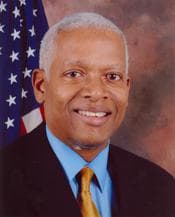
Henry C. "Hank" Johnson
Democratic Representative
Georgia
Transportation and Infrastructure Committee, Aviation Subcommittee
- Introduced
- In Committee
- On Floor
- Passed Chamber
- Enacted
Hydrogen Aviation Strategy Act This bill directs the Federal Aviation Administration (FAA) and the Department of Energy (DOE) to exercise leadership in the creation of federal and international policies relating to the safe and efficient use of hydrogen to increase aviation decarbonization and reduce air and noise pollution. For example, the FAA and DOE must establish positions and goals for the use of hydrogen to increase aviation decarbonization; study (through grants, contracts, or interagency agreements) how the use of hydrogen would contribute to aviation decarbonization and air and noise pollution; study ways of accelerating the introduction of hydrogen-powered aircraft; and establish an advisory committee composed of representatives of the National Aeronautics and Space Administration, the aerospace industry, aviation suppliers, hydrogen producers, airlines, airport sponsors, fixed base operators, and other stakeholders to advise the Department of Transportation, the FAA, and DOE on related activities. The FAA must also exercise leadership in the creation of federal regulations, standards, and guidance relating to the safe and efficient use of hydrogen to increase aviation decarbonization and reduce air and noise pollution.
View Full TextSuggested Questions
Get AI-generated questions to help you understand this bill better
Timeline
Introduced in House
Referred to the House Committee on Transportation and Infrastructure.
Referred to the Subcommittee on Aviation.
Transportation and Public Works
Advanced technology and technological innovationsAdvisory bodiesAir qualityAlternative and renewable resourcesAviation and airportsClimate change and greenhouse gasesCongressional oversightMotor fuelsNoise pollutionSpacecraft and satellites
Hydrogen Aviation Strategy Act
USA118th CongressHR-4032| House
| Updated: 6/13/2023
Hydrogen Aviation Strategy Act This bill directs the Federal Aviation Administration (FAA) and the Department of Energy (DOE) to exercise leadership in the creation of federal and international policies relating to the safe and efficient use of hydrogen to increase aviation decarbonization and reduce air and noise pollution. For example, the FAA and DOE must establish positions and goals for the use of hydrogen to increase aviation decarbonization; study (through grants, contracts, or interagency agreements) how the use of hydrogen would contribute to aviation decarbonization and air and noise pollution; study ways of accelerating the introduction of hydrogen-powered aircraft; and establish an advisory committee composed of representatives of the National Aeronautics and Space Administration, the aerospace industry, aviation suppliers, hydrogen producers, airlines, airport sponsors, fixed base operators, and other stakeholders to advise the Department of Transportation, the FAA, and DOE on related activities. The FAA must also exercise leadership in the creation of federal regulations, standards, and guidance relating to the safe and efficient use of hydrogen to increase aviation decarbonization and reduce air and noise pollution.
View Full TextSuggested Questions
Get AI-generated questions to help you understand this bill better
Timeline
Introduced in House
Referred to the House Committee on Transportation and Infrastructure.
Referred to the Subcommittee on Aviation.
Henry C. "Hank" Johnson
Democratic Representative
Georgia
Transportation and Infrastructure Committee, Aviation Subcommittee
Transportation and Public Works
Related Bills
- Introduced
- In Committee
- On Floor
- Passed Chamber
- Enacted
Advanced technology and technological innovationsAdvisory bodiesAir qualityAlternative and renewable resourcesAviation and airportsClimate change and greenhouse gasesCongressional oversightMotor fuelsNoise pollutionSpacecraft and satellites