Legal Workforce Act
USA118th CongressHR-319| House
| Updated: 12/17/2024
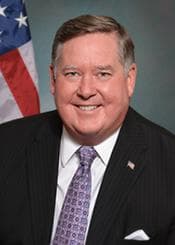
Ken Calvert
Republican Representative
California
Cosponsors (13)
John R. Carter (Republican)Steve Womack (Republican)Ed Case (Democratic)Tom McClintock (Republican)Andy Biggs (Republican)Jeff Duncan (Republican)Christopher H. Smith (Republican)Jodey C. Arrington (Republican)Troy E. Nehls (Republican)John H. Rutherford (Republican)Lauren Boebert (Republican)Larry Bucshon (Republican)Debbie Lesko (Republican)
Ways and Means Committee, Social Security Subcommittee, Judiciary Committee, Education and Workforce Committee
- Introduced
- In Committee
- On Floor
- Passed Chamber
- Enacted
Legal Workforce Act This bill directs the Department of Homeland Security (DHS) to create an electronic employment eligibility confirmation system modeled after and to replace the E-Verify system, which allows employers and recruiters to verify the immigration status of individuals. The bill also mandates the use of such a system, where currently only some employers, such as those with federal contracts, are required to use E-Verify. The bill specifies documents that can establish an individual's identity and employment authorization. During the period starting when a job offer is made until three business days after hiring, the individual must attest to his or her employment authorization, and the employer or recruiter must attest that it has examined the individual's required documents. Employers shall reverify certain types of employees who were not previously verified using E-verify. The Social Security Administration shall notify employees if their Social Security number has been used multiple times in an unusual manner. DHS shall establish programs for blocking and suspending misused numbers. Employers that are required to use the verification system shall not be liable for any employment-related action based on a good-faith reliance on the information from the system. The bill establishes a phased-in participation deadline for different categories of employers, including agricultural employers. The bill increases civil penalties related to hiring individuals without work authorization. It also preempts state laws relating to hiring and employment eligibility verification, but states may use their authority of business licensing to penalize employers for failing to comply with the bill's provisions.
View Full TextSuggested Questions
Get AI-generated questions to help you understand this bill better
Timeline
Introduced in House
Referred to the Committee on the Judiciary, and in addition to the Committees on Ways and Means, and Education and the Workforce, for a period to be subsequently determined by the Speaker, in each case for consideration of such provisions as fall within the jurisdiction of the committee concerned.
Referred to the Subcommittee on Social Security.
Immigration
Administrative remediesBorder security and unlawful immigrationComputer security and identity theftDepartment of Homeland SecurityEmployee hiringExecutive agency funding and structureFederal preemptionForeign laborFraud offenses and financial crimesGovernment information and archivesGovernment studies and investigationsImmigration status and proceduresInternet, web applications, social mediaLicensing and registrationsMigrant, seasonal, agricultural laborPersonnel recordsPhotography and imagingPublic contracts and procurementState and local government operationsTelephone and wireless communicationVisas and passports
Legal Workforce Act
USA118th CongressHR-319| House
| Updated: 12/17/2024
Legal Workforce Act This bill directs the Department of Homeland Security (DHS) to create an electronic employment eligibility confirmation system modeled after and to replace the E-Verify system, which allows employers and recruiters to verify the immigration status of individuals. The bill also mandates the use of such a system, where currently only some employers, such as those with federal contracts, are required to use E-Verify. The bill specifies documents that can establish an individual's identity and employment authorization. During the period starting when a job offer is made until three business days after hiring, the individual must attest to his or her employment authorization, and the employer or recruiter must attest that it has examined the individual's required documents. Employers shall reverify certain types of employees who were not previously verified using E-verify. The Social Security Administration shall notify employees if their Social Security number has been used multiple times in an unusual manner. DHS shall establish programs for blocking and suspending misused numbers. Employers that are required to use the verification system shall not be liable for any employment-related action based on a good-faith reliance on the information from the system. The bill establishes a phased-in participation deadline for different categories of employers, including agricultural employers. The bill increases civil penalties related to hiring individuals without work authorization. It also preempts state laws relating to hiring and employment eligibility verification, but states may use their authority of business licensing to penalize employers for failing to comply with the bill's provisions.
View Full TextSuggested Questions
Get AI-generated questions to help you understand this bill better
Timeline
Introduced in House
Referred to the Committee on the Judiciary, and in addition to the Committees on Ways and Means, and Education and the Workforce, for a period to be subsequently determined by the Speaker, in each case for consideration of such provisions as fall within the jurisdiction of the committee concerned.
Referred to the Subcommittee on Social Security.
Ken Calvert
Republican Representative
California
Cosponsors (13)
John R. Carter (Republican)Steve Womack (Republican)Ed Case (Democratic)Tom McClintock (Republican)Andy Biggs (Republican)Jeff Duncan (Republican)Christopher H. Smith (Republican)Jodey C. Arrington (Republican)Troy E. Nehls (Republican)John H. Rutherford (Republican)Lauren Boebert (Republican)Larry Bucshon (Republican)Debbie Lesko (Republican)
Ways and Means Committee, Social Security Subcommittee, Judiciary Committee, Education and Workforce Committee
Immigration
Related Bills
- Introduced
- In Committee
- On Floor
- Passed Chamber
- Enacted
Administrative remediesBorder security and unlawful immigrationComputer security and identity theftDepartment of Homeland SecurityEmployee hiringExecutive agency funding and structureFederal preemptionForeign laborFraud offenses and financial crimesGovernment information and archivesGovernment studies and investigationsImmigration status and proceduresInternet, web applications, social mediaLicensing and registrationsMigrant, seasonal, agricultural laborPersonnel recordsPhotography and imagingPublic contracts and procurementState and local government operationsTelephone and wireless communicationVisas and passports