More Teaching Less Testing Act of 2023
USA118th CongressHR-1741| House
| Updated: 3/23/2023
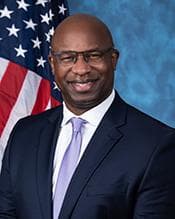
Jamaal Bowman
Democratic Representative
New York
Cosponsors (25)
Dwight Evans (Democratic)Nikema Williams (Democratic)Sheila Jackson Lee (Democratic)Shontel M. Brown (Democratic)Frederica S. Wilson (Democratic)Troy A. Carter (Democratic)Maxwell Frost (Democratic)Delia C. Ramirez (Democratic)Donald M. Payne (Democratic)Greg Casar (Democratic)Adriano Espaillat (Democratic)Jasmine Crockett (Democratic)Sheila Cherfilus-McCormick (Democratic)Glenn Ivey (Democratic)Pramila Jayapal (Democratic)Eleanor Holmes Norton (Democratic)Janice D. Schakowsky (Democratic)James P. McGovern (Democratic)Alexandria Ocasio-Cortez (Democratic)Summer L. Lee (Democratic)Nydia M. Velázquez (Democratic)Rashida Tlaib (Democratic)Ayanna Pressley (Democratic)Lloyd Doggett (Democratic)Cori Bush (Democratic)
Education and Workforce Committee
- Introduced
- In Committee
- On Floor
- Passed Chamber
- Enacted
More Teaching Less Testing Act of 2023 This bill reauthorizes certain programs and revises standardized testing requirements for public elementary and secondary schools. Specifically, the bill removes the requirement for annual summative assessments to be administered to students every year in grades 3-8. The bill allows states to implement grade-span testing, representative sampling, or a combination of grade-span testing with either representative sampling or matrix sampling. Additionally, the bill requires states to carry out a 90-day public comment period in order to set a target limit on the aggregate amount of time devoted to the administration of and preparation for assessments for each grade. The bill establishes a task force within the National Center for Education Research to study and report on, among other things, the impact of standardized testing on student wellness, learning, and postsecondary education success. The bill extends the demonstration period for state educational agencies (SEAs) to establish innovative assessment systems. It also increases the number of SEAs that may participate in these demonstrations. Next, the bill authorizes for an additional 10 years a grant program that provides aid to local educational agencies for the education of disadvantaged children. The bill also prohibits states from using federal elementary and secondary education funds for certain purposes, such as considering summative assessments as a sole or dominant factor when implementing grade-retention policies or evaluating the performance of teachers.
View Full TextSuggested Questions
Get AI-generated questions to help you understand this bill better
Timeline
Introduced in House
Referred to the House Committee on Education and the Workforce.
Education
More Teaching Less Testing Act of 2023
USA118th CongressHR-1741| House
| Updated: 3/23/2023
More Teaching Less Testing Act of 2023 This bill reauthorizes certain programs and revises standardized testing requirements for public elementary and secondary schools. Specifically, the bill removes the requirement for annual summative assessments to be administered to students every year in grades 3-8. The bill allows states to implement grade-span testing, representative sampling, or a combination of grade-span testing with either representative sampling or matrix sampling. Additionally, the bill requires states to carry out a 90-day public comment period in order to set a target limit on the aggregate amount of time devoted to the administration of and preparation for assessments for each grade. The bill establishes a task force within the National Center for Education Research to study and report on, among other things, the impact of standardized testing on student wellness, learning, and postsecondary education success. The bill extends the demonstration period for state educational agencies (SEAs) to establish innovative assessment systems. It also increases the number of SEAs that may participate in these demonstrations. Next, the bill authorizes for an additional 10 years a grant program that provides aid to local educational agencies for the education of disadvantaged children. The bill also prohibits states from using federal elementary and secondary education funds for certain purposes, such as considering summative assessments as a sole or dominant factor when implementing grade-retention policies or evaluating the performance of teachers.
View Full TextSuggested Questions
Get AI-generated questions to help you understand this bill better
Timeline
Introduced in House
Referred to the House Committee on Education and the Workforce.
Jamaal Bowman
Democratic Representative
New York
Cosponsors (25)
Dwight Evans (Democratic)Nikema Williams (Democratic)Sheila Jackson Lee (Democratic)Shontel M. Brown (Democratic)Frederica S. Wilson (Democratic)Troy A. Carter (Democratic)Maxwell Frost (Democratic)Delia C. Ramirez (Democratic)Donald M. Payne (Democratic)Greg Casar (Democratic)Adriano Espaillat (Democratic)Jasmine Crockett (Democratic)Sheila Cherfilus-McCormick (Democratic)Glenn Ivey (Democratic)Pramila Jayapal (Democratic)Eleanor Holmes Norton (Democratic)Janice D. Schakowsky (Democratic)James P. McGovern (Democratic)Alexandria Ocasio-Cortez (Democratic)Summer L. Lee (Democratic)Nydia M. Velázquez (Democratic)Rashida Tlaib (Democratic)Ayanna Pressley (Democratic)Lloyd Doggett (Democratic)Cori Bush (Democratic)
Education and Workforce Committee
Education
- Introduced
- In Committee
- On Floor
- Passed Chamber
- Enacted