BUILD GREEN Infrastructure and Jobs Act
USA117th CongressS-874| Senate
| Updated: 8/4/2022
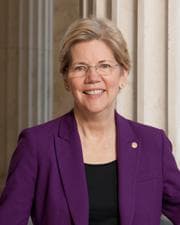
Elizabeth Warren
Democratic Senator
Massachusetts
Cosponsors (7)
Commerce, Science, and Transportation Committee, Banking, Housing, and Urban Affairs Committee
- Introduced
- In Committee
- On Floor
- Passed Chamber
- Enacted
Better Utilizing Investments to Leverage Development and Generating Renewable Energy to Electrify the Nation's Infrastructure and Jobs Act or the BUILD GREEN Infrastructure and Jobs Act This bill directs the Department of Transportation (DOT) to establish a green transportation infrastructure program to provide competitive grants to states, local governments, and other entities for capital investments in electrified surface transportation infrastructure projects. DOT must select projects that maximize sustainability, including projects that (1) promote the electrification of all public transportation, (2) contribute to climate resilience and mitigation, (3) reduce air pollution and greenhouse gas emissions, and (4) achieve energy savings and reduce energy usage compared to other eligible projects. Additionally, DOT must prioritize projects that (1) serve a frontline, vulnerable, or disadvantaged community; (2) are located in an area that has experienced high adverse health and environmental impacts on minority and low-income populations; (3) require federal funds in order to complete an overall financing package; or (4) add a new green space or new state or local park units and outdoor recreational areas. Grants issued under the program may not be less than $2 million, with the exception of grants for project planning, preparation, or design, which are not subject to a minimum amount. The federal share of the cost of a project may not exceed 85% for planning, design, and construction purposes and 50% of the operation and maintenance costs of the project for its first 10 years.
View Full TextSuggested Questions
Get AI-generated questions to help you understand this bill better
Timeline
Introduced in Senate
Read twice and referred to the Committee on Commerce, Science, and Transportation.
Committee on Banking, Housing, and Urban Affairs. Hearings held.
Transportation and Public Works
Air qualityAlternative and renewable resourcesBuy American requirementsClimate change and greenhouse gasesCongressional oversightDams and canalsEmployee leaveEnergy efficiency and conservationEnvironmental healthGovernment lending and loan guaranteesHazardous wastes and toxic substancesHybrid, electric, and advanced technology vehiclesInfrastructure developmentLabor-management relationsLabor standardsLand use and conservationMinority healthNavigation, waterways, harborsOil and gasOutdoor recreationParks, recreation areas, trailsPoverty and welfare assistancePublic contracts and procurementPublic transitRacial and ethnic relationsRailroadsRoads and highwaysRural conditions and developmentState and local financeTransportation programs fundingUrban and suburban affairs and developmentWages and earnings
BUILD GREEN Infrastructure and Jobs Act
USA117th CongressS-874| Senate
| Updated: 8/4/2022
Better Utilizing Investments to Leverage Development and Generating Renewable Energy to Electrify the Nation's Infrastructure and Jobs Act or the BUILD GREEN Infrastructure and Jobs Act This bill directs the Department of Transportation (DOT) to establish a green transportation infrastructure program to provide competitive grants to states, local governments, and other entities for capital investments in electrified surface transportation infrastructure projects. DOT must select projects that maximize sustainability, including projects that (1) promote the electrification of all public transportation, (2) contribute to climate resilience and mitigation, (3) reduce air pollution and greenhouse gas emissions, and (4) achieve energy savings and reduce energy usage compared to other eligible projects. Additionally, DOT must prioritize projects that (1) serve a frontline, vulnerable, or disadvantaged community; (2) are located in an area that has experienced high adverse health and environmental impacts on minority and low-income populations; (3) require federal funds in order to complete an overall financing package; or (4) add a new green space or new state or local park units and outdoor recreational areas. Grants issued under the program may not be less than $2 million, with the exception of grants for project planning, preparation, or design, which are not subject to a minimum amount. The federal share of the cost of a project may not exceed 85% for planning, design, and construction purposes and 50% of the operation and maintenance costs of the project for its first 10 years.
View Full TextSuggested Questions
Get AI-generated questions to help you understand this bill better
Timeline
Introduced in Senate
Read twice and referred to the Committee on Commerce, Science, and Transportation.
Committee on Banking, Housing, and Urban Affairs. Hearings held.
Elizabeth Warren
Democratic Senator
Massachusetts
Cosponsors (7)
Commerce, Science, and Transportation Committee, Banking, Housing, and Urban Affairs Committee
Transportation and Public Works
Related Bills
- Introduced
- In Committee
- On Floor
- Passed Chamber
- Enacted
Air qualityAlternative and renewable resourcesBuy American requirementsClimate change and greenhouse gasesCongressional oversightDams and canalsEmployee leaveEnergy efficiency and conservationEnvironmental healthGovernment lending and loan guaranteesHazardous wastes and toxic substancesHybrid, electric, and advanced technology vehiclesInfrastructure developmentLabor-management relationsLabor standardsLand use and conservationMinority healthNavigation, waterways, harborsOil and gasOutdoor recreationParks, recreation areas, trailsPoverty and welfare assistancePublic contracts and procurementPublic transitRacial and ethnic relationsRailroadsRoads and highwaysRural conditions and developmentState and local financeTransportation programs fundingUrban and suburban affairs and developmentWages and earnings