Citizenship for Essential Workers Act
USA117th CongressS-747| Senate
| Updated: 5/12/2021
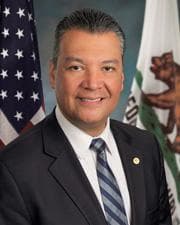
Alex Padilla
Democratic Senator
California
Cosponsors (18)
Mazie K. Hirono (Democratic)Tammy Duckworth (Democratic)Richard J. Durbin (Democratic)Edward J. Markey (Democratic)Charles E. Schumer (Democratic)Kirsten E. Gillibrand (Democratic)Elizabeth Warren (Democratic)Ben Ray Luján (Democratic)Christopher A. Coons (Democratic)John W. Hickenlooper (Democratic)Sheldon Whitehouse (Democratic)Chris Van Hollen (Democratic)Tina Smith (Democratic)Bernard Sanders (Independent)Tammy Baldwin (Democratic)Cory A. Booker (Democratic)Robert Menendez (Democratic)Richard Blumenthal (Democratic)
Immigration, Citizenship, and Border Safety Subcommittee, Judiciary Committee
- Introduced
- In Committee
- On Floor
- Passed Chamber
- Enacted
Citizenship for Essential Workers Act This bill establishes a mechanism for eligible aliens who worked as essential workers during the declared COVID-19 (i.e., coronavirus disease 2019) public health emergency to apply for and obtain permanent resident status. The bill also narrows certain grounds for deportability and inadmissibility. To be eligible for permanent resident status under this bill, an alien must have earned income at any point during the COVID-19 emergency period doing work deemed essential by the Department of Homeland Security (DHS) or a state or local government. An alien may also be eligible if that alien is a parent, spouse, or child of (1) an eligible alien who died from COVID-19, or (2) a member of the Armed Forces. Certain aliens shall be ineligible, such as an alien who was a refugee on January 1, 2021. To obtain permanent resident status under this bill, an applying alien must satisfy additional requirements, including by passing a background check. Furthermore, the bill repeals provisions providing for three-year bars and permanent bars to admission into the United States. (Generally, these bars apply to aliens who were previously removed or unlawfully present in the United States.) The bill also narrows the scope of certain crime-based grounds for inadmissibility or deportability, such as by redefining the term conviction to exclude expunged convictions. The Department of Justice or DHS may waive certain grounds of inadmissibility or deportability (1) for humanitarian purposes, (2) to ensure family unity, or (3) for the public interest.
View Full TextSuggested Questions
Get AI-generated questions to help you understand this bill better
Timeline
Introduced in Senate
Read twice and referred to the Committee on the Judiciary.
Committee on the Judiciary Subcommittee on Immigration, Citizenship, and Border Safety. Hearings held.
Immigration
Administrative law and regulatory proceduresAdministrative remediesCardiovascular and respiratory healthCivil actions and liabilityCriminal procedure and sentencingDepartment of Homeland SecurityEmergency medical services and trauma careEmployee hiringEmployment discrimination and employee rightsFamily relationshipsForeign laborGovernment information and archivesImmigration status and proceduresInfectious and parasitic diseasesJudicial review and appealsLabor-management relationsPersonnel recordsRight of privacyUser charges and fees
Citizenship for Essential Workers Act
USA117th CongressS-747| Senate
| Updated: 5/12/2021
Citizenship for Essential Workers Act This bill establishes a mechanism for eligible aliens who worked as essential workers during the declared COVID-19 (i.e., coronavirus disease 2019) public health emergency to apply for and obtain permanent resident status. The bill also narrows certain grounds for deportability and inadmissibility. To be eligible for permanent resident status under this bill, an alien must have earned income at any point during the COVID-19 emergency period doing work deemed essential by the Department of Homeland Security (DHS) or a state or local government. An alien may also be eligible if that alien is a parent, spouse, or child of (1) an eligible alien who died from COVID-19, or (2) a member of the Armed Forces. Certain aliens shall be ineligible, such as an alien who was a refugee on January 1, 2021. To obtain permanent resident status under this bill, an applying alien must satisfy additional requirements, including by passing a background check. Furthermore, the bill repeals provisions providing for three-year bars and permanent bars to admission into the United States. (Generally, these bars apply to aliens who were previously removed or unlawfully present in the United States.) The bill also narrows the scope of certain crime-based grounds for inadmissibility or deportability, such as by redefining the term conviction to exclude expunged convictions. The Department of Justice or DHS may waive certain grounds of inadmissibility or deportability (1) for humanitarian purposes, (2) to ensure family unity, or (3) for the public interest.
View Full TextSuggested Questions
Get AI-generated questions to help you understand this bill better
Timeline
Introduced in Senate
Read twice and referred to the Committee on the Judiciary.
Committee on the Judiciary Subcommittee on Immigration, Citizenship, and Border Safety. Hearings held.
Alex Padilla
Democratic Senator
California
Cosponsors (18)
Mazie K. Hirono (Democratic)Tammy Duckworth (Democratic)Richard J. Durbin (Democratic)Edward J. Markey (Democratic)Charles E. Schumer (Democratic)Kirsten E. Gillibrand (Democratic)Elizabeth Warren (Democratic)Ben Ray Luján (Democratic)Christopher A. Coons (Democratic)John W. Hickenlooper (Democratic)Sheldon Whitehouse (Democratic)Chris Van Hollen (Democratic)Tina Smith (Democratic)Bernard Sanders (Independent)Tammy Baldwin (Democratic)Cory A. Booker (Democratic)Robert Menendez (Democratic)Richard Blumenthal (Democratic)
Immigration, Citizenship, and Border Safety Subcommittee, Judiciary Committee
Immigration
Related Bills
- Introduced
- In Committee
- On Floor
- Passed Chamber
- Enacted
Administrative law and regulatory proceduresAdministrative remediesCardiovascular and respiratory healthCivil actions and liabilityCriminal procedure and sentencingDepartment of Homeland SecurityEmergency medical services and trauma careEmployee hiringEmployment discrimination and employee rightsFamily relationshipsForeign laborGovernment information and archivesImmigration status and proceduresInfectious and parasitic diseasesJudicial review and appealsLabor-management relationsPersonnel recordsRight of privacyUser charges and fees