Industrial Agriculture Accountability Act of 2022
USA117th CongressS-5138| Senate
| Updated: 11/29/2022
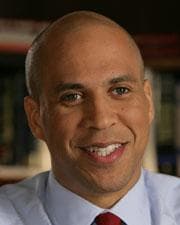
Cory A. Booker
Democratic Senator
New Jersey
Agriculture, Nutrition, and Forestry Committee
- Introduced
- In Committee
- On Floor
- Passed Chamber
- Enacted
Industrial Agriculture Accountability Act of 2022 This bill establishes additional requirements for larger animal feeding operations (AFOs) owned or controlled by industrial operators and increases handling requirements for livestock and poultry. Specifically, the bill establishes the Office of High-Risk AFO Disaster Mitigation and Enforcement within the Department of Agriculture (USDA) and requires such industrial operators to register with the office and submit annual disaster mitigation plans (e.g., for public health emergencies and major disasters). In addition, industrial operators must pay annual disaster mitigation maintenance fees to the office and are liable for costs associated with disaster events or depopulation (the rapid destruction of animals in response to urgent circumstances). Industrial operators are restricted from using specified methods of depopulation; any person may sue an industrial operator or USDA over a violation. Further, USDA must establish depopulation standards that rapidly induce unconsciousness and death with minimal pain and distress. The Department of Labor must enforce minimum labor standards for industrial operators regarding covered workers or affected contract growers in disaster mitigation events, including whistleblower protections and health insurance requirements. Further, industrial operators may not use incarcerated workers in these events. The bill also includes provisions on the handling of livestock and poultry, such as requiring USDA to set additional standards for animal transport; including poultry in the Humane Methods of Slaughter Act of 1958 and creating a USDA grant program to transition processing facilities to a different slaughter method; requiring USDA to promulgate certain regulations regarding the humane treatment, euthanasia, and disposition of nonambulatory livestock; and terminating programs that allow for slaughter speeds that exceed existing limits or reduce the use of federal inspectors.
View Full TextSuggested Questions
Get AI-generated questions to help you understand this bill better
Timeline
Introduced in Senate
Read twice and referred to the Committee on Agriculture, Nutrition, and Forestry.
Agriculture and Food
Industrial Agriculture Accountability Act of 2022
USA117th CongressS-5138| Senate
| Updated: 11/29/2022
Industrial Agriculture Accountability Act of 2022 This bill establishes additional requirements for larger animal feeding operations (AFOs) owned or controlled by industrial operators and increases handling requirements for livestock and poultry. Specifically, the bill establishes the Office of High-Risk AFO Disaster Mitigation and Enforcement within the Department of Agriculture (USDA) and requires such industrial operators to register with the office and submit annual disaster mitigation plans (e.g., for public health emergencies and major disasters). In addition, industrial operators must pay annual disaster mitigation maintenance fees to the office and are liable for costs associated with disaster events or depopulation (the rapid destruction of animals in response to urgent circumstances). Industrial operators are restricted from using specified methods of depopulation; any person may sue an industrial operator or USDA over a violation. Further, USDA must establish depopulation standards that rapidly induce unconsciousness and death with minimal pain and distress. The Department of Labor must enforce minimum labor standards for industrial operators regarding covered workers or affected contract growers in disaster mitigation events, including whistleblower protections and health insurance requirements. Further, industrial operators may not use incarcerated workers in these events. The bill also includes provisions on the handling of livestock and poultry, such as requiring USDA to set additional standards for animal transport; including poultry in the Humane Methods of Slaughter Act of 1958 and creating a USDA grant program to transition processing facilities to a different slaughter method; requiring USDA to promulgate certain regulations regarding the humane treatment, euthanasia, and disposition of nonambulatory livestock; and terminating programs that allow for slaughter speeds that exceed existing limits or reduce the use of federal inspectors.
View Full TextSuggested Questions
Get AI-generated questions to help you understand this bill better
Timeline
Introduced in Senate
Read twice and referred to the Committee on Agriculture, Nutrition, and Forestry.
Cory A. Booker
Democratic Senator
New Jersey
Agriculture, Nutrition, and Forestry Committee
Agriculture and Food
- Introduced
- In Committee
- On Floor
- Passed Chamber
- Enacted