Next Generation Entrepreneurship Corps Act
USA117th CongressS-389| Senate
| Updated: 2/23/2021
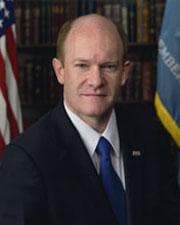
Christopher A. Coons
Democratic Senator
Delaware
Cosponsors (1)
Small Business and Entrepreneurship Committee
- Introduced
- In Committee
- On Floor
- Passed Chamber
- Enacted
Next Generation Entrepreneurship Corps Act This bill establishes the Next Generation Entrepreneurship Corps Program to promote entrepreneurship in the most distressed regions of the United States, including those regions affected by COVID-19 (i.e., coronavirus disease 2019), by awarding participating fellows a two-year stipend to start and grow a new small business. Fellows will receive (1) a $120,000, two-year stipend for living and basic startup expenses; (2) health care; and (3) interest-free federal student loan deferral for two years. Further, fellows shall receive mentorship from the Service Corps of Retired Executives and be matched with a full range of lenders, investors, and insurers. The bill also establishes a fund in the Department of the Treasury from which the SBA may provide loans for qualified investors to support a small business owned and operated under the program by a fellow.
View Full TextSuggested Questions
Get AI-generated questions to help you understand this bill better
Timeline
Introduced in Senate
Read twice and referred to the Committee on Small Business and Entrepreneurship.
Commerce
Business educationBusiness investment and capitalCardiovascular and respiratory healthCongressional oversightEconomic developmentEmergency medical services and trauma careEmployee hiringGovernment lending and loan guaranteesHealth care costs and insuranceHealth care coverage and accessHigher educationInfectious and parasitic diseasesMinority and disadvantaged businessesMinority employmentSmall businessSmall Business AdministrationStudent aid and college costsVeterans' education, employment, rehabilitationWomen in business
Next Generation Entrepreneurship Corps Act
USA117th CongressS-389| Senate
| Updated: 2/23/2021
Next Generation Entrepreneurship Corps Act This bill establishes the Next Generation Entrepreneurship Corps Program to promote entrepreneurship in the most distressed regions of the United States, including those regions affected by COVID-19 (i.e., coronavirus disease 2019), by awarding participating fellows a two-year stipend to start and grow a new small business. Fellows will receive (1) a $120,000, two-year stipend for living and basic startup expenses; (2) health care; and (3) interest-free federal student loan deferral for two years. Further, fellows shall receive mentorship from the Service Corps of Retired Executives and be matched with a full range of lenders, investors, and insurers. The bill also establishes a fund in the Department of the Treasury from which the SBA may provide loans for qualified investors to support a small business owned and operated under the program by a fellow.
View Full TextSuggested Questions
Get AI-generated questions to help you understand this bill better
Timeline
Introduced in Senate
Read twice and referred to the Committee on Small Business and Entrepreneurship.
Christopher A. Coons
Democratic Senator
Delaware
Cosponsors (1)
Small Business and Entrepreneurship Committee
Commerce
- Introduced
- In Committee
- On Floor
- Passed Chamber
- Enacted
Business educationBusiness investment and capitalCardiovascular and respiratory healthCongressional oversightEconomic developmentEmergency medical services and trauma careEmployee hiringGovernment lending and loan guaranteesHealth care costs and insuranceHealth care coverage and accessHigher educationInfectious and parasitic diseasesMinority and disadvantaged businessesMinority employmentSmall businessSmall Business AdministrationStudent aid and college costsVeterans' education, employment, rehabilitationWomen in business