Economic Continuity and Stability Act
USA117th CongressS-3844| Senate
| Updated: 3/15/2022
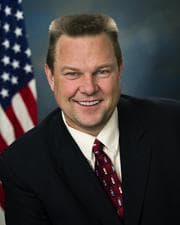
Jon Tester
Democratic Senator
Montana
Finance Committee
- Introduced
- In Committee
- On Floor
- Passed Chamber
- Enacted
Economic Continuity and Stability Act This bill provides for the transition of certain financial contracts away from the London Interbank Offered Rate (LIBOR), a reference interest rate based upon the lending terms certain banks offer to each other for various lengths of time. LIBOR is set to be retired in 2023. Various financial contracts reference LIBOR as a benchmark for prevailing interest rates and use LIBOR in calculating certain payments or obligations. In the event a contract referencing LIBOR does not have a fallback or replacement rate provision in effect when LIBOR is retired, or a replacement rate is not selected by a determining person as defined by the bill, the bill provides for a transition to a replacement rate selected by the Board of Governors of the Federal Reserve System. The bill also provides for conforming changes to these contracts, the continuity and enforceability of these contracts, tax treatment, and protections against liability as a result of such a transition.
View Full TextSuggested Questions
Get AI-generated questions to help you understand this bill better
Timeline
Introduced in Senate
Read twice and referred to the Committee on Finance.
Finance and Financial Sector
Economic Continuity and Stability Act
USA117th CongressS-3844| Senate
| Updated: 3/15/2022
Economic Continuity and Stability Act This bill provides for the transition of certain financial contracts away from the London Interbank Offered Rate (LIBOR), a reference interest rate based upon the lending terms certain banks offer to each other for various lengths of time. LIBOR is set to be retired in 2023. Various financial contracts reference LIBOR as a benchmark for prevailing interest rates and use LIBOR in calculating certain payments or obligations. In the event a contract referencing LIBOR does not have a fallback or replacement rate provision in effect when LIBOR is retired, or a replacement rate is not selected by a determining person as defined by the bill, the bill provides for a transition to a replacement rate selected by the Board of Governors of the Federal Reserve System. The bill also provides for conforming changes to these contracts, the continuity and enforceability of these contracts, tax treatment, and protections against liability as a result of such a transition.
View Full TextSuggested Questions
Get AI-generated questions to help you understand this bill better
Timeline
Introduced in Senate
Read twice and referred to the Committee on Finance.
Jon Tester
Democratic Senator
Montana
Finance Committee
Finance and Financial Sector
Related Bills
- Introduced
- In Committee
- On Floor
- Passed Chamber
- Enacted