Trading System Preservation Act
USA117th CongressS-3708| Senate
| Updated: 2/28/2022
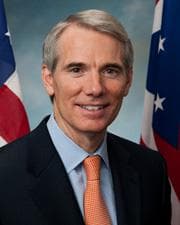
Rob Portman
Republican Senator
Ohio
Cosponsors (1)
Finance Committee
- Introduced
- In Committee
- On Floor
- Passed Chamber
- Enacted
Trading System Preservation Act This bill authorizes the President to enter into covered plurilateral trade agreements. Covered plurilateral trade agreement refers to a sector-specific agreement within the framework of the World Trade Organization (WTO) involving foreign countries or foreign territories that form a subset of the members of the WTO that does not extend benefits on a most-favored-nation basis. Specifically, the bill requires the U.S. Trade Representative to provide a classified briefing to specified congressional committees on the feasibility and advisability of pursuing and adopting covered plurilateral trade agreements. After the congressional briefing, the bill directs the President to initiate negotiations for a covered plurilateral trade agreement when the President determines it is in the national interest to do so. The bill authorizes the President to enter into these agreements in specified sectors of the economy (e.g., digital services and pharmaceuticals), with such authority expiring on July 1, 2027. Further, the President may proclaim a modification or continuance of any existing duty or continuance of existing excise or duty-free treatment to carry out an agreement.
View Full TextSuggested Questions
Get AI-generated questions to help you understand this bill better
Timeline
Introduced in Senate
Read twice and referred to the Committee on Finance.
Foreign Trade and International Finance
Competitiveness, trade promotion, trade deficitsCongressional-executive branch relationsCongressional oversightFree trade and trade barriersNormal trade relations, most-favored-nation treatmentTrade agreements and negotiations
Trading System Preservation Act
USA117th CongressS-3708| Senate
| Updated: 2/28/2022
Trading System Preservation Act This bill authorizes the President to enter into covered plurilateral trade agreements. Covered plurilateral trade agreement refers to a sector-specific agreement within the framework of the World Trade Organization (WTO) involving foreign countries or foreign territories that form a subset of the members of the WTO that does not extend benefits on a most-favored-nation basis. Specifically, the bill requires the U.S. Trade Representative to provide a classified briefing to specified congressional committees on the feasibility and advisability of pursuing and adopting covered plurilateral trade agreements. After the congressional briefing, the bill directs the President to initiate negotiations for a covered plurilateral trade agreement when the President determines it is in the national interest to do so. The bill authorizes the President to enter into these agreements in specified sectors of the economy (e.g., digital services and pharmaceuticals), with such authority expiring on July 1, 2027. Further, the President may proclaim a modification or continuance of any existing duty or continuance of existing excise or duty-free treatment to carry out an agreement.
View Full TextSuggested Questions
Get AI-generated questions to help you understand this bill better
Timeline
Introduced in Senate
Read twice and referred to the Committee on Finance.
Rob Portman
Republican Senator
Ohio
Cosponsors (1)
Finance Committee
Foreign Trade and International Finance
- Introduced
- In Committee
- On Floor
- Passed Chamber
- Enacted
Competitiveness, trade promotion, trade deficitsCongressional-executive branch relationsCongressional oversightFree trade and trade barriersNormal trade relations, most-favored-nation treatmentTrade agreements and negotiations