Strengthening the Public Health Workforce Act
USA117th CongressS-3506| Senate
| Updated: 1/13/2022
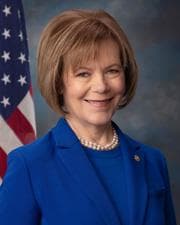
Tina Smith
Democratic Senator
Minnesota
Health, Education, Labor, and Pensions Committee
- Introduced
- In Committee
- On Floor
- Passed Chamber
- Enacted
Strengthening the Public Health Workforce Act This bill reauthorizes through FY2025 and makes changes to the Public Health Workforce Loan Repayment Program (a program that awards student loan repayment to individuals with qualifying degrees who commit to work full-time for a federal, state, tribal, or local public health agency for a period of obligated service). Changes to the program include increasing the maximum repayment amount; eliminating the option for individuals to complete the service obligation in a federal public health agency; and expanding the scope of qualifying degrees to cover, for example, those in statistics, computer science, and programs related to information technology. In addition, the Department of Health and Human Services may take actions to equitably distribute awards across geographic regions, among jurisdictional levels, and between urban and rural areas. The bill also requires the Government Accountability Office to conduct an evaluation of the public health workforce.
View Full TextSuggested Questions
Get AI-generated questions to help you understand this bill better
Timeline
Introduced in Senate
Read twice and referred to the Committee on Health, Education, Labor, and Pensions.
Health
Cardiovascular and respiratory healthCongressional oversightEmergency medical services and trauma careEmployee hiringGovernment employee pay, benefits, personnel managementGovernment lending and loan guaranteesGovernment studies and investigationsHealth information and medical recordsHealth personnelHealth programs administration and fundingHealth promotion and preventive careHigher educationInfectious and parasitic diseasesMedical educationStudent aid and college costs
Strengthening the Public Health Workforce Act
USA117th CongressS-3506| Senate
| Updated: 1/13/2022
Strengthening the Public Health Workforce Act This bill reauthorizes through FY2025 and makes changes to the Public Health Workforce Loan Repayment Program (a program that awards student loan repayment to individuals with qualifying degrees who commit to work full-time for a federal, state, tribal, or local public health agency for a period of obligated service). Changes to the program include increasing the maximum repayment amount; eliminating the option for individuals to complete the service obligation in a federal public health agency; and expanding the scope of qualifying degrees to cover, for example, those in statistics, computer science, and programs related to information technology. In addition, the Department of Health and Human Services may take actions to equitably distribute awards across geographic regions, among jurisdictional levels, and between urban and rural areas. The bill also requires the Government Accountability Office to conduct an evaluation of the public health workforce.
View Full TextSuggested Questions
Get AI-generated questions to help you understand this bill better
Timeline
Introduced in Senate
Read twice and referred to the Committee on Health, Education, Labor, and Pensions.
Tina Smith
Democratic Senator
Minnesota
Health, Education, Labor, and Pensions Committee
Health
Related Bills
- Introduced
- In Committee
- On Floor
- Passed Chamber
- Enacted
Cardiovascular and respiratory healthCongressional oversightEmergency medical services and trauma careEmployee hiringGovernment employee pay, benefits, personnel managementGovernment lending and loan guaranteesGovernment studies and investigationsHealth information and medical recordsHealth personnelHealth programs administration and fundingHealth promotion and preventive careHigher educationInfectious and parasitic diseasesMedical educationStudent aid and college costs