U.S. Citizenship Act
USA117th CongressS-348| Senate
| Updated: 2/22/2021
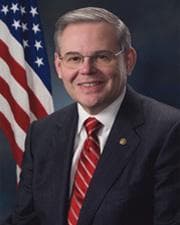
Robert Menendez
Democratic Senator
New Jersey
Cosponsors (26)
Mazie K. Hirono (Democratic)Tammy Duckworth (Democratic)Dianne Feinstein (Democratic)Catherine Cortez Masto (Democratic)Patrick J. Leahy (Democratic)Richard J. Durbin (Democratic)Edward J. Markey (Democratic)Charles E. Schumer (Democratic)Kirsten E. Gillibrand (Democratic)Elizabeth Warren (Democratic)Ben Ray Luján (Democratic)Alex Padilla (Democratic)Christopher A. Coons (Democratic)Thomas R. Carper (Democratic)Amy Klobuchar (Democratic)John W. Hickenlooper (Democratic)Jacky Rosen (Democratic)Chris Van Hollen (Democratic)Michael F. Bennet (Democratic)Tina Smith (Democratic)Bernard Sanders (Independent)Brian Schatz (Democratic)Tammy Baldwin (Democratic)Cory A. Booker (Democratic)Benjamin L. Cardin (Democratic)Richard Blumenthal (Democratic)
Judiciary Committee
- Introduced
- In Committee
- On Floor
- Passed Chamber
- Enacted
U.S. Citizenship Act This bill establishes a path to citizenship for certain undocumented individuals. The bill also replaces the term alien with noncitizen in the immigration statutes and addresses other related issues. Specifically, the bill establishes a new status of lawful prospective immigrant . This status shall be available to an applying noncitizen who meets certain requirements, including being continually present in the United States from January 1, 2021, and passing background checks. After at least five years with this status, an eligible noncitizen may apply for and receive permanent resident status. The bill also provides permanent resident status to certain applying noncitizens, specifically for eligible noncitizens who (1) entered the United States as a minor, (2) were eligible for temporary protected status or deferred enforced departure on January 1, 2017, or (3) worked a certain amount of agricultural labor in the five years prior to applying. Among other things, the bill also redefines for immigration purposes the term conviction to exclude convictions that have been expunged or vacated, requires the Department of State to implement a strategy to advance reforms in Central America and address key factors contributing to migration from the region to the United States, requires the State Department to establish refugee processing centers in Central America, requires Customs and Border Patrol sectors and stations to have a certain number of employees with certain qualifications such as paramedic training, generally prohibits religious discrimination in granting or denying immigration benefits, and establishes grant programs for providing training and services to immigrants.
View Full TextSuggested Questions
Get AI-generated questions to help you understand this bill better
Timeline
Introduced in Senate
Read twice and referred to the Committee on the Judiciary.
Immigration
Administrative law and regulatory proceduresAdministrative remediesAdult education and literacyAdvanced technology and technological innovationsAdvisory bodiesAfghanistanAgricultural prices, subsidies, creditAlternative and renewable resourcesAlternative dispute resolution, mediation, arbitrationArizonaAsiaAssault and harassment offensesAviation and airportsBorder security and unlawful immigrationBusiness educationCaliforniaChild healthChild safety and welfareCitizenship and naturalizationCivil actions and liabilityCompetitiveness, trade promotion, trade deficitsConflicts and warsCongressional oversightCorrectional facilities and imprisonmentCrime preventionCrimes against womenCrime victimsCriminal investigation, prosecution, interrogationCriminal procedure and sentencingCustoms enforcementDepartment of Homeland SecurityDepartment of JusticeDetention of personsDiplomacy, foreign officials, Americans abroadDisaster relief and insuranceDomestic violence and child abuseDrug trafficking and controlled substancesEconomic developmentEducational facilities and institutionsEducation programs fundingElementary and secondary educationEl SalvadorEmergency communications systemsEmergency medical services and trauma careEmployee hiringEmployee performanceEmployment and training programsEmployment discrimination and employee rightsEnvironmental assessment, monitoring, researchExecutive agency funding and structureFamily relationshipsFinancial services and investmentsFood supply, safety, and labelingForeign aid and international reliefForeign and international bankingForeign laborForeign language and bilingual programsFraud offenses and financial crimesGovernment employee pay, benefits, personnel managementGovernment ethics and transparency, public corruptionGovernment information and archivesGovernment studies and investigationsGovernment trust fundsGuatemalaHealth personnelHealth technology, devices, suppliesHigher educationHondurasHousing and community development fundingHousing finance and home ownershipHuman rightsHuman traffickingImmigration status and proceduresIndian lands and resources rightsIntergovernmental relationsInternational organizations and cooperationIraqJudicial procedure and administrationJudicial review and appealsLabor standardsLatin AmericaLaw enforcement administration and fundingLaw enforcement officersLawyers and legal servicesLicensing and registrationsMarine and inland water transportationMarriage and family statusMedical educationMedical tests and diagnostic methodsMexicoMiddle EastMigrant, seasonal, agricultural laborMotor carriersMotor vehiclesNatural disastersNorthern Mariana IslandsNutrition and dietOrganized crimePedestrians and bicyclingPerformance measurementPhilippinesPoverty and welfare assistancePublic contracts and procurementRacial and ethnic relationsRailroadsRefugees, asylum, displaced personsReligionRight of privacyRule of law and government transparencyRural conditions and developmentSex, gender, sexual orientation discriminationSex offensesSmall businessSmuggling and traffickingSocial work, volunteer service, charitable organizationsSovereignty, recognition, national governance and statusState and local government operationsSyriaTax administration and collection, taxpayersTeaching, teachers, curriculaTechnology assessmentTelephone and wireless communicationTexasTransportation safety and securityTravel and tourismUnited NationsUser charges and feesU.S. territories and protectoratesViolent crimeVisas and passportsWages and earningsWater use and supplyWestern HemisphereWomen's employmentWomen's healthYouth employment and child labor
U.S. Citizenship Act
USA117th CongressS-348| Senate
| Updated: 2/22/2021
U.S. Citizenship Act This bill establishes a path to citizenship for certain undocumented individuals. The bill also replaces the term alien with noncitizen in the immigration statutes and addresses other related issues. Specifically, the bill establishes a new status of lawful prospective immigrant . This status shall be available to an applying noncitizen who meets certain requirements, including being continually present in the United States from January 1, 2021, and passing background checks. After at least five years with this status, an eligible noncitizen may apply for and receive permanent resident status. The bill also provides permanent resident status to certain applying noncitizens, specifically for eligible noncitizens who (1) entered the United States as a minor, (2) were eligible for temporary protected status or deferred enforced departure on January 1, 2017, or (3) worked a certain amount of agricultural labor in the five years prior to applying. Among other things, the bill also redefines for immigration purposes the term conviction to exclude convictions that have been expunged or vacated, requires the Department of State to implement a strategy to advance reforms in Central America and address key factors contributing to migration from the region to the United States, requires the State Department to establish refugee processing centers in Central America, requires Customs and Border Patrol sectors and stations to have a certain number of employees with certain qualifications such as paramedic training, generally prohibits religious discrimination in granting or denying immigration benefits, and establishes grant programs for providing training and services to immigrants.
View Full TextSuggested Questions
Get AI-generated questions to help you understand this bill better
Timeline
Introduced in Senate
Read twice and referred to the Committee on the Judiciary.
Robert Menendez
Democratic Senator
New Jersey
Cosponsors (26)
Mazie K. Hirono (Democratic)Tammy Duckworth (Democratic)Dianne Feinstein (Democratic)Catherine Cortez Masto (Democratic)Patrick J. Leahy (Democratic)Richard J. Durbin (Democratic)Edward J. Markey (Democratic)Charles E. Schumer (Democratic)Kirsten E. Gillibrand (Democratic)Elizabeth Warren (Democratic)Ben Ray Luján (Democratic)Alex Padilla (Democratic)Christopher A. Coons (Democratic)Thomas R. Carper (Democratic)Amy Klobuchar (Democratic)John W. Hickenlooper (Democratic)Jacky Rosen (Democratic)Chris Van Hollen (Democratic)Michael F. Bennet (Democratic)Tina Smith (Democratic)Bernard Sanders (Independent)Brian Schatz (Democratic)Tammy Baldwin (Democratic)Cory A. Booker (Democratic)Benjamin L. Cardin (Democratic)Richard Blumenthal (Democratic)
Judiciary Committee
Immigration
Related Bills
- Introduced
- In Committee
- On Floor
- Passed Chamber
- Enacted
Administrative law and regulatory proceduresAdministrative remediesAdult education and literacyAdvanced technology and technological innovationsAdvisory bodiesAfghanistanAgricultural prices, subsidies, creditAlternative and renewable resourcesAlternative dispute resolution, mediation, arbitrationArizonaAsiaAssault and harassment offensesAviation and airportsBorder security and unlawful immigrationBusiness educationCaliforniaChild healthChild safety and welfareCitizenship and naturalizationCivil actions and liabilityCompetitiveness, trade promotion, trade deficitsConflicts and warsCongressional oversightCorrectional facilities and imprisonmentCrime preventionCrimes against womenCrime victimsCriminal investigation, prosecution, interrogationCriminal procedure and sentencingCustoms enforcementDepartment of Homeland SecurityDepartment of JusticeDetention of personsDiplomacy, foreign officials, Americans abroadDisaster relief and insuranceDomestic violence and child abuseDrug trafficking and controlled substancesEconomic developmentEducational facilities and institutionsEducation programs fundingElementary and secondary educationEl SalvadorEmergency communications systemsEmergency medical services and trauma careEmployee hiringEmployee performanceEmployment and training programsEmployment discrimination and employee rightsEnvironmental assessment, monitoring, researchExecutive agency funding and structureFamily relationshipsFinancial services and investmentsFood supply, safety, and labelingForeign aid and international reliefForeign and international bankingForeign laborForeign language and bilingual programsFraud offenses and financial crimesGovernment employee pay, benefits, personnel managementGovernment ethics and transparency, public corruptionGovernment information and archivesGovernment studies and investigationsGovernment trust fundsGuatemalaHealth personnelHealth technology, devices, suppliesHigher educationHondurasHousing and community development fundingHousing finance and home ownershipHuman rightsHuman traffickingImmigration status and proceduresIndian lands and resources rightsIntergovernmental relationsInternational organizations and cooperationIraqJudicial procedure and administrationJudicial review and appealsLabor standardsLatin AmericaLaw enforcement administration and fundingLaw enforcement officersLawyers and legal servicesLicensing and registrationsMarine and inland water transportationMarriage and family statusMedical educationMedical tests and diagnostic methodsMexicoMiddle EastMigrant, seasonal, agricultural laborMotor carriersMotor vehiclesNatural disastersNorthern Mariana IslandsNutrition and dietOrganized crimePedestrians and bicyclingPerformance measurementPhilippinesPoverty and welfare assistancePublic contracts and procurementRacial and ethnic relationsRailroadsRefugees, asylum, displaced personsReligionRight of privacyRule of law and government transparencyRural conditions and developmentSex, gender, sexual orientation discriminationSex offensesSmall businessSmuggling and traffickingSocial work, volunteer service, charitable organizationsSovereignty, recognition, national governance and statusState and local government operationsSyriaTax administration and collection, taxpayersTeaching, teachers, curriculaTechnology assessmentTelephone and wireless communicationTexasTransportation safety and securityTravel and tourismUnited NationsUser charges and feesU.S. territories and protectoratesViolent crimeVisas and passportsWages and earningsWater use and supplyWestern HemisphereWomen's employmentWomen's healthYouth employment and child labor