Parental Rights Protection Act
USA117th CongressS-3184| Senate
| Updated: 11/4/2021
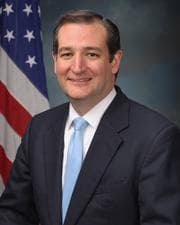
Ted Cruz
Republican Senator
Texas
Health, Education, Labor, and Pensions Committee
- Introduced
- In Committee
- On Floor
- Passed Chamber
- Enacted
Parental Rights Protection Act This bill restricts government entities from requiring that individuals age 18 or younger receive certain COVID-19 vaccines that were authorized through emergency use and related procedures. Specifically, a federal, state, tribal, territorial, or local government entity (including a local educational agency) that receives funding from either the Department of Education or the Department of Health and Human Services may not require such COVID-19 vaccinations for individuals age 18 or younger. In particular, a local educational agency that mandates COVID-19 vaccinations for students loses its eligibility for federal education funding. The bill also requires the prior, informed, written consent of a parent or guardian before administration of such COVID-19 vaccines to an individual age 18 or younger.
View Full TextSuggested Questions
Get AI-generated questions to help you understand this bill better
Timeline
Introduced in Senate
Read twice and referred to the Committee on Health, Education, Labor, and Pensions.
Health
Cardiovascular and respiratory healthChild healthDrug safety, medical device, and laboratory regulationEducation programs fundingElementary and secondary educationEmergency medical services and trauma careFamily relationshipsHealth programs administration and fundingImmunology and vaccinationInfectious and parasitic diseases
Parental Rights Protection Act
USA117th CongressS-3184| Senate
| Updated: 11/4/2021
Parental Rights Protection Act This bill restricts government entities from requiring that individuals age 18 or younger receive certain COVID-19 vaccines that were authorized through emergency use and related procedures. Specifically, a federal, state, tribal, territorial, or local government entity (including a local educational agency) that receives funding from either the Department of Education or the Department of Health and Human Services may not require such COVID-19 vaccinations for individuals age 18 or younger. In particular, a local educational agency that mandates COVID-19 vaccinations for students loses its eligibility for federal education funding. The bill also requires the prior, informed, written consent of a parent or guardian before administration of such COVID-19 vaccines to an individual age 18 or younger.
View Full TextSuggested Questions
Get AI-generated questions to help you understand this bill better
Timeline
Introduced in Senate
Read twice and referred to the Committee on Health, Education, Labor, and Pensions.
Ted Cruz
Republican Senator
Texas
Health, Education, Labor, and Pensions Committee
Health
Related Bills
- Introduced
- In Committee
- On Floor
- Passed Chamber
- Enacted
Cardiovascular and respiratory healthChild healthDrug safety, medical device, and laboratory regulationEducation programs fundingElementary and secondary educationEmergency medical services and trauma careFamily relationshipsHealth programs administration and fundingImmunology and vaccinationInfectious and parasitic diseases