Protecting Our Democracy Act
USA117th CongressS-2921| Senate
| Updated: 9/30/2021
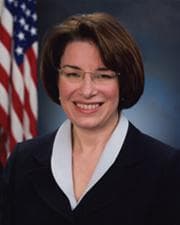
Amy Klobuchar
Democratic Senator
Minnesota
Cosponsors (10)
Homeland Security and Governmental Affairs Committee
- Introduced
- In Committee
- On Floor
- Passed Chamber
- Enacted
Protecting Our Democracy Act This bill addresses issues involving (1) abuses of presidential power; (2) checks and balances, accountability, and transparency; and (3) foreign interference in elections. Specifically, regarding abuses of presidential power, the bill requires the Department of Justice (DOJ) and the President to submit to Congress specified materials relating to certain pardons, prohibits self-pardons by the President, suspends the statute of limitations for federal offenses committed by a sitting President or Vice President, prohibits the acceptance of foreign or domestic emoluments, and sets forth provisions regarding Office of Government Ethics and Office of Special Counsel jurisdiction and enforcement authority. To address checks and balances, accountability, and transparency, the bill authorizes specified actions to enforce congressional subpoenas, imposes limits on presidential declarations of emergencies, requires DOJ to maintain a log of specified communications between itself and the White House, requires cause for removal of inspectors general, increases whistleblower protections, requires a candidate for President or Vice President to submit to the Federal Election Commission a copy of the individual's income tax returns for the 10 most recent taxable years, and establishes penalties for political appointees who engage in prohibited political activities. To protect against foreign interference in elections, the bill requires federal campaign reporting of foreign contacts, requires federal campaigns to establish a foreign contacts compliance policy, and specifies that foreign donations to political campaigns and candidates of nonpublic information relating to a candidate are prohibited.
View Full TextSuggested Questions
Get AI-generated questions to help you understand this bill better
Timeline
Introduced in Senate
Read twice and referred to the Committee on Homeland Security and Governmental Affairs.
Government Operations and Politics
Administrative law and regulatory proceduresAdministrative remediesAppropriationsBudget processCivil actions and liabilityCongressional committeesCongressional oversightCriminal investigation, prosecution, interrogationCriminal procedure and sentencingDefense spendingDepartment of JusticeElections, voting, political campaign regulationEmployment discrimination and employee rightsEvidence and witnessesExecutive agency funding and structureFederal-Indian relationsFederal officialsGovernment employee pay, benefits, personnel managementGovernment ethics and transparency, public corruptionGovernment information and archivesGovernment studies and investigationsHouse of RepresentativesIntelligence activities, surveillance, classified informationJudicial procedure and administrationJudicial review and appealsLabor standardsLawyers and legal servicesLegal fees and court costsMerit Systems Protection BoardMilitary operations and strategyOffice of Government EthicsOffice of Special CounselPolitical parties and affiliationPresidents and presidential powers, Vice PresidentsResearch administration and fundingRight of privacyScientific communicationSenateTariffsTax administration and collection, taxpayersWar and emergency powers
Protecting Our Democracy Act
USA117th CongressS-2921| Senate
| Updated: 9/30/2021
Protecting Our Democracy Act This bill addresses issues involving (1) abuses of presidential power; (2) checks and balances, accountability, and transparency; and (3) foreign interference in elections. Specifically, regarding abuses of presidential power, the bill requires the Department of Justice (DOJ) and the President to submit to Congress specified materials relating to certain pardons, prohibits self-pardons by the President, suspends the statute of limitations for federal offenses committed by a sitting President or Vice President, prohibits the acceptance of foreign or domestic emoluments, and sets forth provisions regarding Office of Government Ethics and Office of Special Counsel jurisdiction and enforcement authority. To address checks and balances, accountability, and transparency, the bill authorizes specified actions to enforce congressional subpoenas, imposes limits on presidential declarations of emergencies, requires DOJ to maintain a log of specified communications between itself and the White House, requires cause for removal of inspectors general, increases whistleblower protections, requires a candidate for President or Vice President to submit to the Federal Election Commission a copy of the individual's income tax returns for the 10 most recent taxable years, and establishes penalties for political appointees who engage in prohibited political activities. To protect against foreign interference in elections, the bill requires federal campaign reporting of foreign contacts, requires federal campaigns to establish a foreign contacts compliance policy, and specifies that foreign donations to political campaigns and candidates of nonpublic information relating to a candidate are prohibited.
View Full TextSuggested Questions
Get AI-generated questions to help you understand this bill better
Timeline
Introduced in Senate
Read twice and referred to the Committee on Homeland Security and Governmental Affairs.
Amy Klobuchar
Democratic Senator
Minnesota
Cosponsors (10)
Homeland Security and Governmental Affairs Committee
Government Operations and Politics
Related Bills
- Introduced
- In Committee
- On Floor
- Passed Chamber
- Enacted
Administrative law and regulatory proceduresAdministrative remediesAppropriationsBudget processCivil actions and liabilityCongressional committeesCongressional oversightCriminal investigation, prosecution, interrogationCriminal procedure and sentencingDefense spendingDepartment of JusticeElections, voting, political campaign regulationEmployment discrimination and employee rightsEvidence and witnessesExecutive agency funding and structureFederal-Indian relationsFederal officialsGovernment employee pay, benefits, personnel managementGovernment ethics and transparency, public corruptionGovernment information and archivesGovernment studies and investigationsHouse of RepresentativesIntelligence activities, surveillance, classified informationJudicial procedure and administrationJudicial review and appealsLabor standardsLawyers and legal servicesLegal fees and court costsMerit Systems Protection BoardMilitary operations and strategyOffice of Government EthicsOffice of Special CounselPolitical parties and affiliationPresidents and presidential powers, Vice PresidentsResearch administration and fundingRight of privacyScientific communicationSenateTariffsTax administration and collection, taxpayersWar and emergency powers