Freedom to Vote Act
USA117th CongressS-2747| Senate
| Updated: 10/20/2021
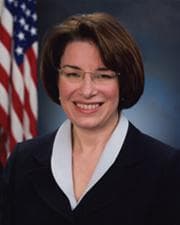
Amy Klobuchar
Democratic Senator
Minnesota
Cosponsors (49)
Jeanne Shaheen (Democratic)Mazie K. Hirono (Democratic)Tammy Duckworth (Democratic)Margaret Wood Hassan (Democratic)Jon Ossoff (Democratic)Dianne Feinstein (Democratic)Catherine Cortez Masto (Democratic)Patrick J. Leahy (Democratic)Richard J. Durbin (Democratic)Edward J. Markey (Democratic)Charles E. Schumer (Democratic)Jack Reed (Democratic)Kirsten E. Gillibrand (Democratic)Elizabeth Warren (Democratic)Ben Ray Luján (Democratic)Alex Padilla (Democratic)Christopher A. Coons (Democratic)Thomas R. Carper (Democratic)Mark R. Warner (Democratic)Angus S. King (Independent)John W. Hickenlooper (Democratic)Robert P. Casey (Democratic)Tim Kaine (Democratic)Kyrsten Sinema (Independent)Sheldon Whitehouse (Democratic)Jacky Rosen (Democratic)Joe Manchin (Independent)Chris Van Hollen (Democratic)Christopher Murphy (Democratic)Jon Tester (Democratic)Debbie Stabenow (Democratic)Martin Heinrich (Democratic)Michael F. Bennet (Democratic)Patty Murray (Democratic)Tina Smith (Democratic)Sherrod Brown (Democratic)Bernard Sanders (Independent)Brian Schatz (Democratic)Maria Cantwell (Democratic)Tammy Baldwin (Democratic)Cory A. Booker (Democratic)Benjamin L. Cardin (Democratic)Robert Menendez (Democratic)Jeff Merkley (Democratic)Raphael G. Warnock (Democratic)Gary C. Peters (Democratic)Ron Wyden (Democratic)Richard Blumenthal (Democratic)Mark Kelly (Democratic)
- Introduced
- In Committee
- On Floor
- Passed Chamber
- Enacted
Freedom to Vote Act This bill addresses voter registration and voting access, election integrity and security, redistricting, and campaign finance. Specifically, the bill expands voter registration (e.g., automatic and same-day registration) and voting access (e.g., vote-by-mail and early voting). It also limits removing voters from voter rolls. Next, the bill establishes Election Day as a federal holiday. The bill declares that the right of a U.S. citizen to vote in any election for federal office shall not be denied or abridged because that individual has been convicted of a criminal offense unless, at the time of the election, such individual is serving a felony sentence. The bill establishes certain federal criminal offenses related to voting. In particular, the bill establishes a new criminal offense for conduct (or attempted conduct) to corruptly hinder, interfere with, or prevent another person from registering to vote or helping someone register to vote. Additionally, the bill sets forth provisions related to election security, including by requiring states to conduct post-election audits for federal elections. The bill outlines criteria for congressional redistricting and generally prohibits mid-decade redistricting. The bill addresses campaign finance, including by expanding the prohibition on campaign spending by foreign nationals, requiring additional disclosure of campaign-related fundraising and spending, requiring additional disclaimers regarding certain political advertising, and establishing an alternative campaign funding system for certain federal offices.
View Full TextSuggested Questions
Get AI-generated questions to help you understand this bill better
Timeline
Introduced in Senate
Introduced in the Senate. Read the first time. Placed on Senate Legislative Calendar under Read the First Time.
Read the second time. Placed on Senate Legislative Calendar under General Orders. Calendar No. 125.
Motion to proceed to consideration of measure made in Senate. (CR S7028)
Cloture motion on the motion to proceed to the measure presented in Senate. (CR S7028)
Cloture on the motion to proceed to the measure not invoked in Senate by Yea-Nay Vote. 49 - 51. Record Vote Number: 420. (CR S7107-7108)
View VoteMotion by Senator Schumer to reconsider the vote by which cloture on the motion to proceed to S. 2747 was not invoked (Record Vote No. 420) entered in Senate.
Government Operations and Politics
Accounting and auditingAdministrative law and regulatory proceduresAdult day careBuy American requirementsChild care and developmentCivil actions and liabilityCommemorative events and holidaysComputer security and identity theftCongressional districts and representationCongressional electionsCongressional oversightConsumer creditCorporate finance and managementCorrectional facilities and imprisonmentCriminal justice information and recordsCriminal procedure and sentencingDepartment of the TreasuryDigital mediaDisability and paralysisDisability assistanceDomestic violence and child abuseDue process and equal protectionElection Assistance CommissionElections, voting, political campaign regulationExecutive agency funding and structureFamily relationshipsFederal Election Commission (FEC)Food industry and servicesForeign language and bilingual programsFraud offenses and financial crimesGovernment ethics and transparency, public corruptionGovernment information and archivesGovernment lending and loan guaranteesGovernment studies and investigationsGovernment trust fundsHealth care costs and insuranceHealth care coverage and accessHouse of RepresentativesHousing and community development fundingHousing finance and home ownershipInternal Revenue Service (IRS)Internet and video servicesInternet, web applications, social mediaJudgesJudicial review and appealsLabor-management relationsLandlord and tenantLow- and moderate-income housingManufacturingMilitary personnel and dependentsPolitical advertisingPolitical parties and affiliationPostal servicePresidents and presidential powers, Vice PresidentsPublic contracts and procurementPublic housingRight of privacyRural conditions and developmentState and local government operationsSubversive activitiesSupreme CourtTax administration and collection, taxpayersTax-exempt organizationsVoting rights
Freedom to Vote Act
USA117th CongressS-2747| Senate
| Updated: 10/20/2021
Freedom to Vote Act This bill addresses voter registration and voting access, election integrity and security, redistricting, and campaign finance. Specifically, the bill expands voter registration (e.g., automatic and same-day registration) and voting access (e.g., vote-by-mail and early voting). It also limits removing voters from voter rolls. Next, the bill establishes Election Day as a federal holiday. The bill declares that the right of a U.S. citizen to vote in any election for federal office shall not be denied or abridged because that individual has been convicted of a criminal offense unless, at the time of the election, such individual is serving a felony sentence. The bill establishes certain federal criminal offenses related to voting. In particular, the bill establishes a new criminal offense for conduct (or attempted conduct) to corruptly hinder, interfere with, or prevent another person from registering to vote or helping someone register to vote. Additionally, the bill sets forth provisions related to election security, including by requiring states to conduct post-election audits for federal elections. The bill outlines criteria for congressional redistricting and generally prohibits mid-decade redistricting. The bill addresses campaign finance, including by expanding the prohibition on campaign spending by foreign nationals, requiring additional disclosure of campaign-related fundraising and spending, requiring additional disclaimers regarding certain political advertising, and establishing an alternative campaign funding system for certain federal offices.
View Full TextSuggested Questions
Get AI-generated questions to help you understand this bill better
Timeline
Introduced in Senate
Introduced in the Senate. Read the first time. Placed on Senate Legislative Calendar under Read the First Time.
Read the second time. Placed on Senate Legislative Calendar under General Orders. Calendar No. 125.
Motion to proceed to consideration of measure made in Senate. (CR S7028)
Cloture motion on the motion to proceed to the measure presented in Senate. (CR S7028)
Cloture on the motion to proceed to the measure not invoked in Senate by Yea-Nay Vote. 49 - 51. Record Vote Number: 420. (CR S7107-7108)
View VoteMotion by Senator Schumer to reconsider the vote by which cloture on the motion to proceed to S. 2747 was not invoked (Record Vote No. 420) entered in Senate.
Amy Klobuchar
Democratic Senator
Minnesota
Cosponsors (49)
Jeanne Shaheen (Democratic)Mazie K. Hirono (Democratic)Tammy Duckworth (Democratic)Margaret Wood Hassan (Democratic)Jon Ossoff (Democratic)Dianne Feinstein (Democratic)Catherine Cortez Masto (Democratic)Patrick J. Leahy (Democratic)Richard J. Durbin (Democratic)Edward J. Markey (Democratic)Charles E. Schumer (Democratic)Jack Reed (Democratic)Kirsten E. Gillibrand (Democratic)Elizabeth Warren (Democratic)Ben Ray Luján (Democratic)Alex Padilla (Democratic)Christopher A. Coons (Democratic)Thomas R. Carper (Democratic)Mark R. Warner (Democratic)Angus S. King (Independent)John W. Hickenlooper (Democratic)Robert P. Casey (Democratic)Tim Kaine (Democratic)Kyrsten Sinema (Independent)Sheldon Whitehouse (Democratic)Jacky Rosen (Democratic)Joe Manchin (Independent)Chris Van Hollen (Democratic)Christopher Murphy (Democratic)Jon Tester (Democratic)Debbie Stabenow (Democratic)Martin Heinrich (Democratic)Michael F. Bennet (Democratic)Patty Murray (Democratic)Tina Smith (Democratic)Sherrod Brown (Democratic)Bernard Sanders (Independent)Brian Schatz (Democratic)Maria Cantwell (Democratic)Tammy Baldwin (Democratic)Cory A. Booker (Democratic)Benjamin L. Cardin (Democratic)Robert Menendez (Democratic)Jeff Merkley (Democratic)Raphael G. Warnock (Democratic)Gary C. Peters (Democratic)Ron Wyden (Democratic)Richard Blumenthal (Democratic)Mark Kelly (Democratic)
Government Operations and Politics
Related Bills
- HR 117-1172: Stop Super PAC–Candidate Coordination Act
- HR 117-5746: NASA Enhanced Use Leasing Extension Act of 2021
- S 117-215: Spotlight Act
- HR 117-9513: Honest Ads Act
- HR 117-1245: Alice Paul Voter Protection Act
- HR 117-4064: Preventing Election Subversion Act of 2021
- S 117-481: Democracy Restoration Act of 2021
- HR 117-65: Same Day Registration Act of 2021
- S 117-2626: Protecting Election Administration from Interference Act of 2021
- HR 117-5053: Protecting Election Administration from Interference Act of 2021
- Introduced
- In Committee
- On Floor
- Passed Chamber
- Enacted
Accounting and auditingAdministrative law and regulatory proceduresAdult day careBuy American requirementsChild care and developmentCivil actions and liabilityCommemorative events and holidaysComputer security and identity theftCongressional districts and representationCongressional electionsCongressional oversightConsumer creditCorporate finance and managementCorrectional facilities and imprisonmentCriminal justice information and recordsCriminal procedure and sentencingDepartment of the TreasuryDigital mediaDisability and paralysisDisability assistanceDomestic violence and child abuseDue process and equal protectionElection Assistance CommissionElections, voting, political campaign regulationExecutive agency funding and structureFamily relationshipsFederal Election Commission (FEC)Food industry and servicesForeign language and bilingual programsFraud offenses and financial crimesGovernment ethics and transparency, public corruptionGovernment information and archivesGovernment lending and loan guaranteesGovernment studies and investigationsGovernment trust fundsHealth care costs and insuranceHealth care coverage and accessHouse of RepresentativesHousing and community development fundingHousing finance and home ownershipInternal Revenue Service (IRS)Internet and video servicesInternet, web applications, social mediaJudgesJudicial review and appealsLabor-management relationsLandlord and tenantLow- and moderate-income housingManufacturingMilitary personnel and dependentsPolitical advertisingPolitical parties and affiliationPostal servicePresidents and presidential powers, Vice PresidentsPublic contracts and procurementPublic housingRight of privacyRural conditions and developmentState and local government operationsSubversive activitiesSupreme CourtTax administration and collection, taxpayersTax-exempt organizationsVoting rights