A bill to require the Internal Revenue Service to issue a report on the tax gap, to establish a fellowship program within the Internal Revenue Service to recruit mid-career tax professionals to create and participate in an audit task force, and for other purposes.
USA117th CongressS-2721| Senate
| Updated: 9/13/2021
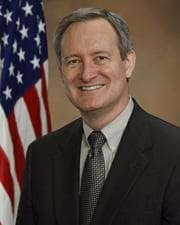
Mike Crapo
Republican Senator
Idaho
Cosponsors (23)
Joni Ernst (Republican)Bill Cassidy (Republican)Mike Braun (Republican)Roger Marshall (Republican)Thomas Tillis (Republican)Jerry Moran (Republican)James E. Risch (Republican)Marsha Blackburn (Republican)Todd Young (Republican)Tom Cotton (Republican)James M. Inhofe (Republican)Roger F. Wicker (Republican)John Boozman (Republican)John Thune (Republican)Mike Rounds (Republican)Tim Scott (Republican)Kevin Cramer (Republican)James Lankford (Republican)Deb Fischer (Republican)John Barrasso (Republican)Chuck Grassley (Republican)Marco Rubio (Republican)Lisa Murkowski (Republican)
Finance Committee
- Introduced
- In Committee
- On Floor
- Passed Chamber
- Enacted
This bill requires the Internal Revenue Service (IRS) to report to Congress on projections of the estimated tax gap (i.e., the difference between tax liabilities owed to the IRS and those liabilities that the IRS actually collects). The IRS may use artificial intelligence and related data analysis tools to calculate a tax gap projection. The bill also requires the Joint Committee on Taxation to issue periodic reports to the congressional tax committees on the tax gap projection. The bill restricts IRS funding to FY2021 levels for audits and enforcement until it publishes an updated tax gap projection. Funding is also restricted for certain purposes, including (1) targeting U.S. citizens who exercise their First Amendment rights, (2) targeting a group for regulatory scrutiny based on its ideological beliefs, and (3) auditing individual taxpayers with an adjusted gross income of less than $400,000. The bill directs the IRS to establish a fellowship program to recruit private sector tax experts to join the IRS to create and participate in the audit task force. The purposes of the tax force include performing audit case selection, educating IRS employees on emerging issues, auditing selected taxpayers, addressing offshore tax evasion, and identifying, mentoring, and training IRS junior employees with respect to audits.
View Full TextSuggested Questions
Get AI-generated questions to help you understand this bill better
Timeline
Introduced in Senate
Read twice and referred to the Committee on Finance.
Taxation
Accounting and auditingComputers and information technologyCongressional oversightDepartment of the TreasuryEmployee hiringExecutive agency funding and structureFirst Amendment rightsGovernment employee pay, benefits, personnel managementInternal Revenue Service (IRS)Political movements and philosophiesTax administration and collection, taxpayers
A bill to require the Internal Revenue Service to issue a report on the tax gap, to establish a fellowship program within the Internal Revenue Service to recruit mid-career tax professionals to create and participate in an audit task force, and for other purposes.
USA117th CongressS-2721| Senate
| Updated: 9/13/2021
This bill requires the Internal Revenue Service (IRS) to report to Congress on projections of the estimated tax gap (i.e., the difference between tax liabilities owed to the IRS and those liabilities that the IRS actually collects). The IRS may use artificial intelligence and related data analysis tools to calculate a tax gap projection. The bill also requires the Joint Committee on Taxation to issue periodic reports to the congressional tax committees on the tax gap projection. The bill restricts IRS funding to FY2021 levels for audits and enforcement until it publishes an updated tax gap projection. Funding is also restricted for certain purposes, including (1) targeting U.S. citizens who exercise their First Amendment rights, (2) targeting a group for regulatory scrutiny based on its ideological beliefs, and (3) auditing individual taxpayers with an adjusted gross income of less than $400,000. The bill directs the IRS to establish a fellowship program to recruit private sector tax experts to join the IRS to create and participate in the audit task force. The purposes of the tax force include performing audit case selection, educating IRS employees on emerging issues, auditing selected taxpayers, addressing offshore tax evasion, and identifying, mentoring, and training IRS junior employees with respect to audits.
View Full TextSuggested Questions
Get AI-generated questions to help you understand this bill better
Timeline
Introduced in Senate
Read twice and referred to the Committee on Finance.
Mike Crapo
Republican Senator
Idaho
Cosponsors (23)
Joni Ernst (Republican)Bill Cassidy (Republican)Mike Braun (Republican)Roger Marshall (Republican)Thomas Tillis (Republican)Jerry Moran (Republican)James E. Risch (Republican)Marsha Blackburn (Republican)Todd Young (Republican)Tom Cotton (Republican)James M. Inhofe (Republican)Roger F. Wicker (Republican)John Boozman (Republican)John Thune (Republican)Mike Rounds (Republican)Tim Scott (Republican)Kevin Cramer (Republican)James Lankford (Republican)Deb Fischer (Republican)John Barrasso (Republican)Chuck Grassley (Republican)Marco Rubio (Republican)Lisa Murkowski (Republican)
Finance Committee
Taxation
Related Bills
- HR 117-5206: To require the Internal Revenue Service to issue a report on the tax gap, to establish a fellowship program within the Internal Revenue Service to recruit mid-career tax professionals to create and participate in an audit task force, and for other purposes.
- HR 117-7485: Simplify, Don’t Amplify the IRS Act
- S 117-4046: Simplify, Don’t Amplify the IRS Act
- Introduced
- In Committee
- On Floor
- Passed Chamber
- Enacted
Accounting and auditingComputers and information technologyCongressional oversightDepartment of the TreasuryEmployee hiringExecutive agency funding and structureFirst Amendment rightsGovernment employee pay, benefits, personnel managementInternal Revenue Service (IRS)Political movements and philosophiesTax administration and collection, taxpayers