Border Health Security Act of 2021
USA117th CongressS-2570| Senate
| Updated: 7/29/2021
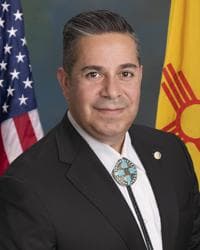
Ben Ray Luján
Democratic Senator
New Mexico
Cosponsors (2)
Foreign Relations Committee
- Introduced
- In Committee
- On Floor
- Passed Chamber
- Enacted
Border Health Security Act of 2021 This bill modifies the duties and activities of the United States-Mexico Border Health Commission and the Canada-United States Pan-Border Public Health Preparedness Council and makes other changes to address health issues along the U.S. border. Specifically, the commission must cooperate with the council where appropriate, and both the commission and the council must develop strategic plans, work plans, evaluations, and reports concerning their activities. The Department of Health and Human Services must award grants to (1) eligible entities in border areas to address recommendations of the commission and the council to improve the health of border area residents; and (2) trauma centers, public health entities, and state, local, or tribal entities for infectious disease surveillance activities in border areas. In addition, the Office of the Assistant Secretary for Preparedness and Response may coordinate with the Department of Homeland Security in establishing a system that alerts clinicians and public health officials to emerging health threats in border areas. The Government Accountability Office must evaluate commission and council activities every two years.
View Full TextSuggested Questions
Get AI-generated questions to help you understand this bill better
Timeline
Introduced in Senate
Read twice and referred to the Committee on Foreign Relations.
International Affairs
ArizonaAtmospheric science and weatherCaliforniaCanadaCongressional oversightEmergency medical services and trauma careGovernment studies and investigationsHealth care qualityHealth facilities and institutionsHealth programs administration and fundingHealth promotion and preventive careInfectious and parasitic diseasesIntergovernmental relationsInternational organizations and cooperationLatin AmericaMedical tests and diagnostic methodsMexicoNew MexicoState and local government operationsTerrorismTexas
Border Health Security Act of 2021
USA117th CongressS-2570| Senate
| Updated: 7/29/2021
Border Health Security Act of 2021 This bill modifies the duties and activities of the United States-Mexico Border Health Commission and the Canada-United States Pan-Border Public Health Preparedness Council and makes other changes to address health issues along the U.S. border. Specifically, the commission must cooperate with the council where appropriate, and both the commission and the council must develop strategic plans, work plans, evaluations, and reports concerning their activities. The Department of Health and Human Services must award grants to (1) eligible entities in border areas to address recommendations of the commission and the council to improve the health of border area residents; and (2) trauma centers, public health entities, and state, local, or tribal entities for infectious disease surveillance activities in border areas. In addition, the Office of the Assistant Secretary for Preparedness and Response may coordinate with the Department of Homeland Security in establishing a system that alerts clinicians and public health officials to emerging health threats in border areas. The Government Accountability Office must evaluate commission and council activities every two years.
View Full TextSuggested Questions
Get AI-generated questions to help you understand this bill better
Timeline
Introduced in Senate
Read twice and referred to the Committee on Foreign Relations.
Ben Ray Luján
Democratic Senator
New Mexico
Cosponsors (2)
Foreign Relations Committee
International Affairs
Related Bills
- Introduced
- In Committee
- On Floor
- Passed Chamber
- Enacted
ArizonaAtmospheric science and weatherCaliforniaCanadaCongressional oversightEmergency medical services and trauma careGovernment studies and investigationsHealth care qualityHealth facilities and institutionsHealth programs administration and fundingHealth promotion and preventive careInfectious and parasitic diseasesIntergovernmental relationsInternational organizations and cooperationLatin AmericaMedical tests and diagnostic methodsMexicoNew MexicoState and local government operationsTerrorismTexas