Building Solutions for Veterans Experiencing Homelessness Act of 2021
USA117th CongressS-2172| Senate
| Updated: 7/28/2021
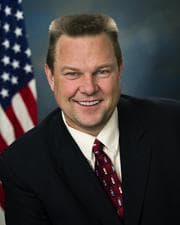
Jon Tester
Democratic Senator
Montana
Cosponsors (5)
Veterans' Affairs Committee
- Introduced
- In Committee
- On Floor
- Passed Chamber
- Enacted
Building Solutions for Veterans Experiencing Homelessness Act of 2021 This bill addresses various Department of Veterans Affairs (VA) grants, programs, and assistance related to services for homeless veterans. The bill removes certain funding limitations on grants that assist eligible entities in establishing or modifying programs to furnish outreach, rehabilitative services, vocational counseling and training, and transitional housing assistance to homeless veterans. Under the bill, grant recipients must not be subject to certain property disposition requirements. The bill increases the maximum rate of per diem payments provided to grant recipients furnishing services to homeless veterans. Under the Supportive Services for Veterans Families program, not less than 2% of the amounts available in any fiscal year may be available to provide technical assistance to entities providing supportive services to very low-income veteran families occupying permanent housing. Among other requirements, the VA must provide training and technical assistance to grant recipients regarding the planning, development, and provision of services for which the grant is made; establish and carry out a program to provide services to assist veterans with navigating housing and health care resources; and implement three pilot programs to provide improved public transportation, nursing staff, and substance use disorder and alcohol use disorder treatment services to certain veterans. The bill (1) extends through FY2025 the authority for appropriations for homeless veterans reintegration programs, and (2) increases the amount authorized to be appropriated annually for such programs from $50 million to $75 million.
View Full TextSuggested Questions
Get AI-generated questions to help you understand this bill better
Timeline
Introduced in Senate
Read twice and referred to the Committee on Veterans' Affairs.
Committee on Veterans' Affairs. Hearings held. Hearings printed: S.Hrg. 117-231.
Committee on Veterans' Affairs. Ordered to be reported without amendment favorably.
Armed Forces and National Security
AgingCongressional oversightDrug, alcohol, tobacco useGovernment studies and investigationsHealth personnelHealth programs administration and fundingHomelessness and emergency shelterHousing supply and affordabilityLow- and moderate-income housingMental healthNursingPublic transitTransportation programs fundingVeterans' education, employment, rehabilitationVeterans' loans, housing, homeless programsVeterans' medical care
Building Solutions for Veterans Experiencing Homelessness Act of 2021
USA117th CongressS-2172| Senate
| Updated: 7/28/2021
Building Solutions for Veterans Experiencing Homelessness Act of 2021 This bill addresses various Department of Veterans Affairs (VA) grants, programs, and assistance related to services for homeless veterans. The bill removes certain funding limitations on grants that assist eligible entities in establishing or modifying programs to furnish outreach, rehabilitative services, vocational counseling and training, and transitional housing assistance to homeless veterans. Under the bill, grant recipients must not be subject to certain property disposition requirements. The bill increases the maximum rate of per diem payments provided to grant recipients furnishing services to homeless veterans. Under the Supportive Services for Veterans Families program, not less than 2% of the amounts available in any fiscal year may be available to provide technical assistance to entities providing supportive services to very low-income veteran families occupying permanent housing. Among other requirements, the VA must provide training and technical assistance to grant recipients regarding the planning, development, and provision of services for which the grant is made; establish and carry out a program to provide services to assist veterans with navigating housing and health care resources; and implement three pilot programs to provide improved public transportation, nursing staff, and substance use disorder and alcohol use disorder treatment services to certain veterans. The bill (1) extends through FY2025 the authority for appropriations for homeless veterans reintegration programs, and (2) increases the amount authorized to be appropriated annually for such programs from $50 million to $75 million.
View Full TextSuggested Questions
Get AI-generated questions to help you understand this bill better
Timeline
Introduced in Senate
Read twice and referred to the Committee on Veterans' Affairs.
Committee on Veterans' Affairs. Hearings held. Hearings printed: S.Hrg. 117-231.
Committee on Veterans' Affairs. Ordered to be reported without amendment favorably.
Jon Tester
Democratic Senator
Montana
Cosponsors (5)
Veterans' Affairs Committee
Armed Forces and National Security
Related Bills
- Introduced
- In Committee
- On Floor
- Passed Chamber
- Enacted
AgingCongressional oversightDrug, alcohol, tobacco useGovernment studies and investigationsHealth personnelHealth programs administration and fundingHomelessness and emergency shelterHousing supply and affordabilityLow- and moderate-income housingMental healthNursingPublic transitTransportation programs fundingVeterans' education, employment, rehabilitationVeterans' loans, housing, homeless programsVeterans' medical care