Affordable Medications Act
USA117th CongressS-1898| Senate
| Updated: 5/27/2021
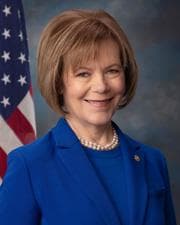
Tina Smith
Democratic Senator
Minnesota
Cosponsors (13)
Margaret Wood Hassan (Democratic)Richard J. Durbin (Democratic)Jack Reed (Democratic)Kirsten E. Gillibrand (Democratic)Elizabeth Warren (Democratic)Amy Klobuchar (Democratic)Sheldon Whitehouse (Democratic)Sherrod Brown (Democratic)Bernard Sanders (Independent)Tammy Baldwin (Democratic)Cory A. Booker (Democratic)Jeff Merkley (Democratic)Richard Blumenthal (Democratic)
Finance Committee
- Introduced
- In Committee
- On Floor
- Passed Chamber
- Enacted
Affordable Medications Act This bill revises and expands various requirements relating to prescription drug pricing and affordability. Specifically, the bill expands financial reporting requirements for drug manufacturers and establishes corresponding civil penalties for noncompliance; it also adds reporting requirements for certain nonprofit patient-assistance programs. Further, the bill requires the Centers for Medicare & Medicaid Services (CMS) to negotiate prices for certain prescription drugs under Medicare and requires the Centers for Medicare and Medicaid Innovation within the CMS to test specified models for negotiating drug prices. It also establishes reporting requirements, and corresponding civil penalties for noncompliance, for pharmaceutical companies with respect to spikes in prescription drug prices. The bill establishes an excise tax on prescription drugs subject to price spikes, lessens prescription drug cost-sharing requirements under qualified health plans and group health plans, and modifies requirements for the importation of prescription drugs. It also requires drug manufacturers to provide rebates for drugs dispensed to certain low-income individuals under the Medicare program and limits the time frame that trade agreements are required to provide market exclusivity for biological products. Additionally, the bill (1) requires the Food and Drug Administration to establish a database of generic drugs; (2) modifies other provisions related to generic drugs, prescription drug advertising, disclosure of wholesale acquisition prices, and patent-infringement proceedings; and (3) revises certain time frames and conditions related to drug exclusivity. Finally, it establishes an innovation incentive fund for new or more effective treatments of bacterial infections and establishes the Center for Clinical Research within the National Institutes of Health.
View Full TextSuggested Questions
Get AI-generated questions to help you understand this bill better
Timeline
Introduced in Senate
Read twice and referred to the Committee on Finance.
Health
Administrative law and regulatory proceduresCanadaCivil actions and liabilityCongressional oversightDepartment of Health and Human ServicesDigestive and metabolic diseasesDrug safety, medical device, and laboratory regulationExecutive agency funding and structureGovernment information and archivesGovernment studies and investigationsHealth care costs and insuranceInfectious and parasitic diseasesInflation and pricesIntellectual propertyMarketing and advertisingMedicaidMedical researchMedicareNational Institutes of Health (NIH)Prescription drugsPublic contracts and procurementRetail and wholesale tradesSales and excise taxesTrade restrictionsUser charges and fees
Affordable Medications Act
USA117th CongressS-1898| Senate
| Updated: 5/27/2021
Affordable Medications Act This bill revises and expands various requirements relating to prescription drug pricing and affordability. Specifically, the bill expands financial reporting requirements for drug manufacturers and establishes corresponding civil penalties for noncompliance; it also adds reporting requirements for certain nonprofit patient-assistance programs. Further, the bill requires the Centers for Medicare & Medicaid Services (CMS) to negotiate prices for certain prescription drugs under Medicare and requires the Centers for Medicare and Medicaid Innovation within the CMS to test specified models for negotiating drug prices. It also establishes reporting requirements, and corresponding civil penalties for noncompliance, for pharmaceutical companies with respect to spikes in prescription drug prices. The bill establishes an excise tax on prescription drugs subject to price spikes, lessens prescription drug cost-sharing requirements under qualified health plans and group health plans, and modifies requirements for the importation of prescription drugs. It also requires drug manufacturers to provide rebates for drugs dispensed to certain low-income individuals under the Medicare program and limits the time frame that trade agreements are required to provide market exclusivity for biological products. Additionally, the bill (1) requires the Food and Drug Administration to establish a database of generic drugs; (2) modifies other provisions related to generic drugs, prescription drug advertising, disclosure of wholesale acquisition prices, and patent-infringement proceedings; and (3) revises certain time frames and conditions related to drug exclusivity. Finally, it establishes an innovation incentive fund for new or more effective treatments of bacterial infections and establishes the Center for Clinical Research within the National Institutes of Health.
View Full TextSuggested Questions
Get AI-generated questions to help you understand this bill better
Timeline
Introduced in Senate
Read twice and referred to the Committee on Finance.
Tina Smith
Democratic Senator
Minnesota
Cosponsors (13)
Margaret Wood Hassan (Democratic)Richard J. Durbin (Democratic)Jack Reed (Democratic)Kirsten E. Gillibrand (Democratic)Elizabeth Warren (Democratic)Amy Klobuchar (Democratic)Sheldon Whitehouse (Democratic)Sherrod Brown (Democratic)Bernard Sanders (Independent)Tammy Baldwin (Democratic)Cory A. Booker (Democratic)Jeff Merkley (Democratic)Richard Blumenthal (Democratic)
Finance Committee
Health
Related Bills
- Introduced
- In Committee
- On Floor
- Passed Chamber
- Enacted
Administrative law and regulatory proceduresCanadaCivil actions and liabilityCongressional oversightDepartment of Health and Human ServicesDigestive and metabolic diseasesDrug safety, medical device, and laboratory regulationExecutive agency funding and structureGovernment information and archivesGovernment studies and investigationsHealth care costs and insuranceInfectious and parasitic diseasesInflation and pricesIntellectual propertyMarketing and advertisingMedicaidMedical researchMedicareNational Institutes of Health (NIH)Prescription drugsPublic contracts and procurementRetail and wholesale tradesSales and excise taxesTrade restrictionsUser charges and fees