CARE for Kids Act of 2021
USA117th CongressS-1590| Senate
| Updated: 5/12/2021
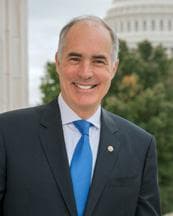
Robert P. Casey
Democratic Senator
Pennsylvania
Cosponsors (7)
Agriculture, Nutrition, and Forestry Committee
- Introduced
- In Committee
- On Floor
- Passed Chamber
- Enacted
Caregivers, Access, and Responsible Expansion for Kids Act of 2021 or the CARE for Kids Act of 20 21 This bill extends eligibility for the National School Lunch Program and school breakfast program of the Department of Agriculture. A local educational agency (including any school operated by the Bureau of Indian Education) may certify as eligible for free lunches or breakfasts the following: children whose placement with a caregiver was carried out with the involvement of an agency that administers a state plan or a tribal child welfare agency, without regard to whether the agency is responsible for the care and placement of the child; children being raised by a relative who receives adoption or guardianship assistance; and children of a family that lives in housing dedicated to low-income families with a caregiver who is a grandparent or another older person that cares for the child full-time or that receives housing or housing assistance under the Native American Housing Assistance and Self-Determination Act of 1996. The bill also extends eligibility for free or reduced-price school lunches for children who were determined to be eligible in the school year prior to placement with a grandparent or relative for the school year immediately following placement. The bill provides children who receive medical assistance under the Medicaid program with direct certification for free lunches and breakfasts under the school lunch and breakfast programs.
View Full TextSuggested Questions
Get AI-generated questions to help you understand this bill better
Timeline
Introduced in Senate
Read twice and referred to the Committee on Agriculture, Nutrition, and Forestry.
Agriculture and Food
Adoption and foster careChild healthChild safety and welfareElementary and secondary educationFamily relationshipsFood assistance and reliefIndian social and development programsLow- and moderate-income housingMedicaid
CARE for Kids Act of 2021
USA117th CongressS-1590| Senate
| Updated: 5/12/2021
Caregivers, Access, and Responsible Expansion for Kids Act of 2021 or the CARE for Kids Act of 20 21 This bill extends eligibility for the National School Lunch Program and school breakfast program of the Department of Agriculture. A local educational agency (including any school operated by the Bureau of Indian Education) may certify as eligible for free lunches or breakfasts the following: children whose placement with a caregiver was carried out with the involvement of an agency that administers a state plan or a tribal child welfare agency, without regard to whether the agency is responsible for the care and placement of the child; children being raised by a relative who receives adoption or guardianship assistance; and children of a family that lives in housing dedicated to low-income families with a caregiver who is a grandparent or another older person that cares for the child full-time or that receives housing or housing assistance under the Native American Housing Assistance and Self-Determination Act of 1996. The bill also extends eligibility for free or reduced-price school lunches for children who were determined to be eligible in the school year prior to placement with a grandparent or relative for the school year immediately following placement. The bill provides children who receive medical assistance under the Medicaid program with direct certification for free lunches and breakfasts under the school lunch and breakfast programs.
View Full TextSuggested Questions
Get AI-generated questions to help you understand this bill better
Timeline
Introduced in Senate
Read twice and referred to the Committee on Agriculture, Nutrition, and Forestry.
Robert P. Casey
Democratic Senator
Pennsylvania
Cosponsors (7)
Agriculture, Nutrition, and Forestry Committee
Agriculture and Food
Related Bills
- Introduced
- In Committee
- On Floor
- Passed Chamber
- Enacted
Adoption and foster careChild healthChild safety and welfareElementary and secondary educationFamily relationshipsFood assistance and reliefIndian social and development programsLow- and moderate-income housingMedicaid