TRAVEL Act
USA117th CongressS-1516| Senate
| Updated: 4/29/2021
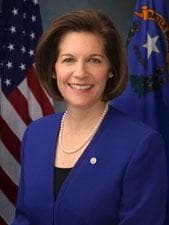
Catherine Cortez Masto
Democratic Senator
Nevada
Environment and Public Works Committee
- Introduced
- In Committee
- On Floor
- Passed Chamber
- Enacted
Transportation Resources to Add Vital Economic Longevity Act or the TRAVEL Act This bill makes various changes to programs of the Department of Transportation (DOT) to facilitate travel and tourism. The changes include increasing the federal share up to 100% for highway projects that result in significant local or economic growth, including increased travel and tourism; requiring that transportation plans address strategies to enhance travel and tourism; and establishing an office within DOT to coordinate and implement activities to enhance travel and tourism. In addition, DOT must consider the extent to which a project contributes to economic competitiveness, including increased travel and tourism, when selecting projects for the National Infrastructure Investment program. DOT must also establish a program to fund planning activities and projects to improve and facilitate long-haul travel (trips of at least 50 miles from the point of origin to the point of destination) on the national transportation network. Additionally, the bill expands eligibility for other transportation-related grants and programs to include projects related to travel and tourism. In particular, it makes such projects eligible for (1) the Nationally Significant Highway and Freight Projects program, (2) the Surface Transportation Block Grant, (3) the Congestion Mitigation and Air Quality Improvement Program, and (4) the Consolidated Rail Infrastructure and Safety Improvements Program. The bill also sets out economic vitality as a separate goal of the Federal-Aid Highway Program. (Currently, the goal of economic vitality is linked specifically to freight movement.)
View Full TextSuggested Questions
Get AI-generated questions to help you understand this bill better
Timeline
Introduced in Senate
Read twice and referred to the Committee on Environment and Public Works.
Transportation and Public Works
Advisory bodiesAir qualityDepartment of TransportationEconomic performance and conditionsExecutive agency funding and structureMarketing and advertisingPublic transitRailroadsRegional and metropolitan planningRoads and highwaysRural conditions and developmentTransportation programs fundingTransportation safety and securityTravel and tourism
TRAVEL Act
USA117th CongressS-1516| Senate
| Updated: 4/29/2021
Transportation Resources to Add Vital Economic Longevity Act or the TRAVEL Act This bill makes various changes to programs of the Department of Transportation (DOT) to facilitate travel and tourism. The changes include increasing the federal share up to 100% for highway projects that result in significant local or economic growth, including increased travel and tourism; requiring that transportation plans address strategies to enhance travel and tourism; and establishing an office within DOT to coordinate and implement activities to enhance travel and tourism. In addition, DOT must consider the extent to which a project contributes to economic competitiveness, including increased travel and tourism, when selecting projects for the National Infrastructure Investment program. DOT must also establish a program to fund planning activities and projects to improve and facilitate long-haul travel (trips of at least 50 miles from the point of origin to the point of destination) on the national transportation network. Additionally, the bill expands eligibility for other transportation-related grants and programs to include projects related to travel and tourism. In particular, it makes such projects eligible for (1) the Nationally Significant Highway and Freight Projects program, (2) the Surface Transportation Block Grant, (3) the Congestion Mitigation and Air Quality Improvement Program, and (4) the Consolidated Rail Infrastructure and Safety Improvements Program. The bill also sets out economic vitality as a separate goal of the Federal-Aid Highway Program. (Currently, the goal of economic vitality is linked specifically to freight movement.)
View Full TextSuggested Questions
Get AI-generated questions to help you understand this bill better
Timeline
Introduced in Senate
Read twice and referred to the Committee on Environment and Public Works.
Catherine Cortez Masto
Democratic Senator
Nevada
Environment and Public Works Committee
Transportation and Public Works
- Introduced
- In Committee
- On Floor
- Passed Chamber
- Enacted
Advisory bodiesAir qualityDepartment of TransportationEconomic performance and conditionsExecutive agency funding and structureMarketing and advertisingPublic transitRailroadsRegional and metropolitan planningRoads and highwaysRural conditions and developmentTransportation programs fundingTransportation safety and securityTravel and tourism