Blocked Rail Crossings Safety Improvement Act of 2021
USA117th CongressHR-9690| House
| Updated: 12/26/2022
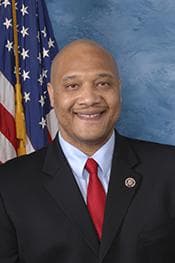
André Carson
Democratic Representative
Indiana
Railroads, Pipelines, and Hazardous Materials Subcommittee, Transportation and Infrastructure Committee
- Introduced
- In Committee
- On Floor
- Passed Chamber
- Enacted
Blocked Rail Crossings Safety Improvement Act of 2021 This bill addresses safety and congestion along railroad right-of-way and highway-rail grade crossings. For example, the bill directs the Department of Transportation (DOT) to provide grants to (1) assist state, local, and tribal governments in funding the cost of highway-rail grade crossing separation projects; and (2) help nonprofit organizations carry out public information and education programs to help prevent and reduce rail-related pedestrian, motor vehicle, and other incidents, injuries, and fatalities, and to improve awareness along railroad right-of-way and at highway-rail grade crossings. Additionally, the bill prohibits railroad carriers from obstructing travel at public highway-rail crossings for more than 10 minutes, except under limited circumstances (e.g., safety issues). Further, DOT must (1) establish a national blocked crossings database for the public to report blocked crossing incidents; (2) conduct a comprehensive review of the national highway-rail crossing inventory; and (3) revise its regulations, guidance, or other relevant agency documents to include the number of suicides on a railroad crossing or railroad right-of-way in the total number of rail fatalities it reports each year.
View Full TextSuggested Questions
Get AI-generated questions to help you understand this bill better
Timeline
Introduced in House
Referred to the House Committee on Transportation and Infrastructure.
Sponsor introductory remarks on measure. (CR E1356)
Referred to the Subcommittee on Railroads, Pipelines, and Hazardous Materials.
Transportation and Public Works
Blocked Rail Crossings Safety Improvement Act of 2021
USA117th CongressHR-9690| House
| Updated: 12/26/2022
Blocked Rail Crossings Safety Improvement Act of 2021 This bill addresses safety and congestion along railroad right-of-way and highway-rail grade crossings. For example, the bill directs the Department of Transportation (DOT) to provide grants to (1) assist state, local, and tribal governments in funding the cost of highway-rail grade crossing separation projects; and (2) help nonprofit organizations carry out public information and education programs to help prevent and reduce rail-related pedestrian, motor vehicle, and other incidents, injuries, and fatalities, and to improve awareness along railroad right-of-way and at highway-rail grade crossings. Additionally, the bill prohibits railroad carriers from obstructing travel at public highway-rail crossings for more than 10 minutes, except under limited circumstances (e.g., safety issues). Further, DOT must (1) establish a national blocked crossings database for the public to report blocked crossing incidents; (2) conduct a comprehensive review of the national highway-rail crossing inventory; and (3) revise its regulations, guidance, or other relevant agency documents to include the number of suicides on a railroad crossing or railroad right-of-way in the total number of rail fatalities it reports each year.
View Full TextSuggested Questions
Get AI-generated questions to help you understand this bill better
Timeline
Introduced in House
Referred to the House Committee on Transportation and Infrastructure.
Sponsor introductory remarks on measure. (CR E1356)
Referred to the Subcommittee on Railroads, Pipelines, and Hazardous Materials.
André Carson
Democratic Representative
Indiana
Railroads, Pipelines, and Hazardous Materials Subcommittee, Transportation and Infrastructure Committee
Transportation and Public Works
- Introduced
- In Committee
- On Floor
- Passed Chamber
- Enacted