Kansas Indian Country Law Enforcement Improvement Act of 2022
USA117th CongressHR-9684| House
| Updated: 12/22/2022
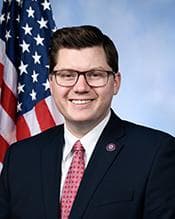
Jake LaTurner
Republican Representative
Kansas
Cosponsors (1)
Judiciary Committee
- Introduced
- In Committee
- On Floor
- Passed Chamber
- Enacted
Kansas Indian Country Law Enforcement Improvement Act of 2022 This bill revises Kansas's criminal jurisdiction over offenses committed on the reservation of a covered Indian tribe. Covered Indian tribe means the Iowa Tribe of Kansas and Nebraska, the Kickapoo Tribe of Indians of the Kickapoo Reservation in Kansas, the Prairie Band Potawatomi Nation, and the Sac & Fox Nation of Missouri in Kansas and Nebraska. Specifically, the bill requires affirmative consent from the governing body of a covered tribe for Kansas to have criminal jurisdiction over offenses committed on the tribe's reservation. The bill authorizes federal agencies and state and local governments in Kansas to enter into cooperative agreements or compacts with the governing bodies of covered Indian tribes for specified purposes, such as reducing crime in Indian country and nearby communities. Each cooperative agreement or compact entered into under the bill must (1) authorize law enforcement officers to be deputized, (2) include requirements for reporting crimes, and (3) describe the geographic limits within the reservation and categories of criminal offenses over which Kansas may exercise its jurisdiction. The Department of Justice must, upon request from the governing body of a covered Indian tribe, provide technical assistance in developing cooperative agreements or compacts.
View Full TextSuggested Questions
Get AI-generated questions to help you understand this bill better
Timeline
Introduced in House
Referred to the House Committee on the Judiciary.
Native Americans
Kansas Indian Country Law Enforcement Improvement Act of 2022
USA117th CongressHR-9684| House
| Updated: 12/22/2022
Kansas Indian Country Law Enforcement Improvement Act of 2022 This bill revises Kansas's criminal jurisdiction over offenses committed on the reservation of a covered Indian tribe. Covered Indian tribe means the Iowa Tribe of Kansas and Nebraska, the Kickapoo Tribe of Indians of the Kickapoo Reservation in Kansas, the Prairie Band Potawatomi Nation, and the Sac & Fox Nation of Missouri in Kansas and Nebraska. Specifically, the bill requires affirmative consent from the governing body of a covered tribe for Kansas to have criminal jurisdiction over offenses committed on the tribe's reservation. The bill authorizes federal agencies and state and local governments in Kansas to enter into cooperative agreements or compacts with the governing bodies of covered Indian tribes for specified purposes, such as reducing crime in Indian country and nearby communities. Each cooperative agreement or compact entered into under the bill must (1) authorize law enforcement officers to be deputized, (2) include requirements for reporting crimes, and (3) describe the geographic limits within the reservation and categories of criminal offenses over which Kansas may exercise its jurisdiction. The Department of Justice must, upon request from the governing body of a covered Indian tribe, provide technical assistance in developing cooperative agreements or compacts.
View Full TextSuggested Questions
Get AI-generated questions to help you understand this bill better
Timeline
Introduced in House
Referred to the House Committee on the Judiciary.
Jake LaTurner
Republican Representative
Kansas
Cosponsors (1)
Judiciary Committee
Native Americans
- Introduced
- In Committee
- On Floor
- Passed Chamber
- Enacted