Providing for Life Act
USA117th CongressHR-8851| House
| Updated: 11/1/2022
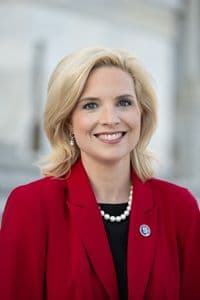
Ashley Hinson
Republican Representative
Iowa
Committees (8)
• Ways and Means Committee• Agriculture Committee• Health Subcommittee• Judiciary Committee• Constitution and Limited Government Subcommittee• Energy and Commerce Committee• Education and Workforce Committee• Nutrition and Foreign Agriculture Subcommittee
- Introduced
- In Committee
- On Floor
- Passed Chamber
- Enacted
Providing for Life Act This bill revises various programs and supports for families and children related to taxes, health, and other benefits. First, the bill increases the child tax credit to a maximum of $3,500 per child ($4,500 per child under the age of six) and makes permanent the increased income threshold over which the credit phases out. The bill further eliminates the federal deduction for certain state and local taxes (SALT deduction) and makes the adoption tax credit refundable. The bill allows parents to use a portion of their Social Security benefits for up to three months of paid parental leave after the birth or adoption of a child. Additionally, the bill requires Supplemental Nutrition Assistance Program (SNAP) recipients to cooperate with states in establishing child support orders. It also provides additional workforce training for noncustodial parents with child support obligations. States must establish requirements for the biological father of a child to pay, at the mother's request, at least 50% of reasonable out-of-pocket medical expenses associated with the mother's pregnancy and delivery. The bill requires institutions of higher education to provide students with certain information about the resources and services (excluding abortion services) available to pregnant students. Additionally, the bill provides grants for community-based maternal mentoring programs and for pregnancy resource centers that do not provide abortions; requires the Department of Health and Human Services to publish a website with specified pregnancy-related information; and extends from one to two years the postpartum benefit eligibility period under the Special Supplemental Nutrition Program for Women, Infants, and Children (WIC).
View Full TextSuggested Questions
Get AI-generated questions to help you understand this bill better
Timeline
Introduced in House
Referred to the Committee on Ways and Means, and in addition to the Committees on Agriculture, Education and Labor, Energy and Commerce, and the Judiciary, for a period to be subsequently determined by the Speaker, in each case for consideration of such provisions as fall within the jurisdiction of the committee concerned.
Referred to the Subcommittee on Health.
Referred to the Subcommittee on Nutrition, Oversight, and Department Operations.
Referred to the Subcommittee on the Constitution, Civil Rights, and Civil Liberties.
Families
AbortionAdoption and foster careAgingChild care and developmentChild healthCivil actions and liabilityCommunity life and organizationComputers and information technologyCongressional oversightDepartment of Health and Human ServicesEmergency communications systemsEmployee leaveEmployment and training programsExecutive agency funding and structureFamily planning and birth controlFamily relationshipsFamily servicesFirst Amendment rightsFraud offenses and financial crimesGovernment information and archivesGovernment studies and investigationsHealth care coverage and accessHigher educationIncome tax creditsIncome tax deductionsIntergovernmental relationsMental healthPerformance measurementPoverty and welfare assistanceReligionSeparation, divorce, custody, supportSex and reproductive healthSocial security and elderly assistanceSocial work, volunteer service, charitable organizationsState and local government operationsState and local taxationTax treatment of familiesWomen's health
Providing for Life Act
USA117th CongressHR-8851| House
| Updated: 11/1/2022
Providing for Life Act This bill revises various programs and supports for families and children related to taxes, health, and other benefits. First, the bill increases the child tax credit to a maximum of $3,500 per child ($4,500 per child under the age of six) and makes permanent the increased income threshold over which the credit phases out. The bill further eliminates the federal deduction for certain state and local taxes (SALT deduction) and makes the adoption tax credit refundable. The bill allows parents to use a portion of their Social Security benefits for up to three months of paid parental leave after the birth or adoption of a child. Additionally, the bill requires Supplemental Nutrition Assistance Program (SNAP) recipients to cooperate with states in establishing child support orders. It also provides additional workforce training for noncustodial parents with child support obligations. States must establish requirements for the biological father of a child to pay, at the mother's request, at least 50% of reasonable out-of-pocket medical expenses associated with the mother's pregnancy and delivery. The bill requires institutions of higher education to provide students with certain information about the resources and services (excluding abortion services) available to pregnant students. Additionally, the bill provides grants for community-based maternal mentoring programs and for pregnancy resource centers that do not provide abortions; requires the Department of Health and Human Services to publish a website with specified pregnancy-related information; and extends from one to two years the postpartum benefit eligibility period under the Special Supplemental Nutrition Program for Women, Infants, and Children (WIC).
View Full TextSuggested Questions
Get AI-generated questions to help you understand this bill better
Timeline
Introduced in House
Referred to the Committee on Ways and Means, and in addition to the Committees on Agriculture, Education and Labor, Energy and Commerce, and the Judiciary, for a period to be subsequently determined by the Speaker, in each case for consideration of such provisions as fall within the jurisdiction of the committee concerned.
Referred to the Subcommittee on Health.
Referred to the Subcommittee on Nutrition, Oversight, and Department Operations.
Referred to the Subcommittee on the Constitution, Civil Rights, and Civil Liberties.
Ashley Hinson
Republican Representative
Iowa
Committees (8)
• Ways and Means Committee• Agriculture Committee• Health Subcommittee• Judiciary Committee• Constitution and Limited Government Subcommittee• Energy and Commerce Committee• Education and Workforce Committee• Nutrition and Foreign Agriculture Subcommittee
Families
Related Bills
- HR 117-5808: New Parents Act of 2021
- S 117-4868: Providing for Life Act
- HR 117-3031: Adoption Tax Credit Refundability Act of 2021
- S 117-4541: Standing with Moms Act
- S 117-2764: New Parents Act of 2021
- HR 117-8669: Community Mentors for Moms Act
- S 117-4277: Pregnant Students’ Rights Act
- HR 117-8384: Standing with Moms Act
- HR 117-7294: Pregnant Students’ Rights Act
- S 117-4761: Community Mentors for Moms Act
- Introduced
- In Committee
- On Floor
- Passed Chamber
- Enacted
AbortionAdoption and foster careAgingChild care and developmentChild healthCivil actions and liabilityCommunity life and organizationComputers and information technologyCongressional oversightDepartment of Health and Human ServicesEmergency communications systemsEmployee leaveEmployment and training programsExecutive agency funding and structureFamily planning and birth controlFamily relationshipsFamily servicesFirst Amendment rightsFraud offenses and financial crimesGovernment information and archivesGovernment studies and investigationsHealth care coverage and accessHigher educationIncome tax creditsIncome tax deductionsIntergovernmental relationsMental healthPerformance measurementPoverty and welfare assistanceReligionSeparation, divorce, custody, supportSex and reproductive healthSocial security and elderly assistanceSocial work, volunteer service, charitable organizationsState and local government operationsState and local taxationTax treatment of familiesWomen's health