To direct the Comptroller General of the United States to conduct a study on disaster spending and strategies for reducing the need for such spending, to amend the Robert T. Stafford Disaster Relief and Emergency Assistance Act to provide assistance for certain activities relating to disasters and hazard mitigation, and for other purposes.
USA117th CongressHR-7969| House
| Updated: 6/8/2022
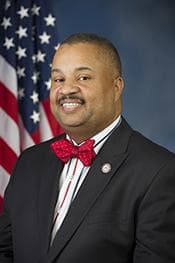
Donald M. Payne
Democratic Representative
New Jersey
Cosponsors (9)
Transportation and Infrastructure Committee, Economic Development, Public Buildings, and Emergency Management Subcommittee
- Introduced
- In Committee
- On Floor
- Passed Chamber
- Enacted
This bill establishes reporting and other requirements related to disaster preparedness and response and hazard mitigation. The Governmental Accountability Office (GAO) must conduct a study and report on disaster spending and strategies for reducing the need for such spending. Specifically, the GAO must identify for the 5-year period ending on the date of this bill's enactment, the total amount of federal, state, and tribal funds spent in response to major disasters and emergencies; 10 proposed federal actions, including reinsurance, that, if implemented, would most effectively reduce the need for spending related to such major disasters or emergencies; the effect that using blockchain may have on delivering disaster assistance to state and Indian tribal governments; and whether insurance protection against wildfires will remain available and affordable to homeowners. The President must coordinate with each state to update state plans to incorporate strategies that decrease the time required to prepare for disasters, including the time to evacuate individuals. An entity that receives grants for hazard mitigation revolving loan funds must ensure that at least 10% of the total dollar amount of the loans it makes each fiscal year assist projects or activities that reduce risks for residential structures related to specified natural hazards.
View Full TextSuggested Questions
Get AI-generated questions to help you understand this bill better
Timeline
Introduced in House
Referred to the House Committee on Transportation and Infrastructure.
Referred to the Subcommittee on Economic Development, Public Buildings, and Emergency Management.
Emergency Management
To direct the Comptroller General of the United States to conduct a study on disaster spending and strategies for reducing the need for such spending, to amend the Robert T. Stafford Disaster Relief and Emergency Assistance Act to provide assistance for certain activities relating to disasters and hazard mitigation, and for other purposes.
USA117th CongressHR-7969| House
| Updated: 6/8/2022
This bill establishes reporting and other requirements related to disaster preparedness and response and hazard mitigation. The Governmental Accountability Office (GAO) must conduct a study and report on disaster spending and strategies for reducing the need for such spending. Specifically, the GAO must identify for the 5-year period ending on the date of this bill's enactment, the total amount of federal, state, and tribal funds spent in response to major disasters and emergencies; 10 proposed federal actions, including reinsurance, that, if implemented, would most effectively reduce the need for spending related to such major disasters or emergencies; the effect that using blockchain may have on delivering disaster assistance to state and Indian tribal governments; and whether insurance protection against wildfires will remain available and affordable to homeowners. The President must coordinate with each state to update state plans to incorporate strategies that decrease the time required to prepare for disasters, including the time to evacuate individuals. An entity that receives grants for hazard mitigation revolving loan funds must ensure that at least 10% of the total dollar amount of the loans it makes each fiscal year assist projects or activities that reduce risks for residential structures related to specified natural hazards.
View Full TextSuggested Questions
Get AI-generated questions to help you understand this bill better
Timeline
Introduced in House
Referred to the House Committee on Transportation and Infrastructure.
Referred to the Subcommittee on Economic Development, Public Buildings, and Emergency Management.
Donald M. Payne
Democratic Representative
New Jersey
Cosponsors (9)
Transportation and Infrastructure Committee, Economic Development, Public Buildings, and Emergency Management Subcommittee
Emergency Management
- Introduced
- In Committee
- On Floor
- Passed Chamber
- Enacted