Wage Theft Prevention and Wage Recovery Act of 2022
USA117th CongressHR-7701| House
| Updated: 10/7/2022
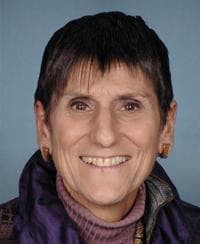
Rosa L. DeLauro
Democratic Representative
Connecticut
Cosponsors (45)
Dwight Evans (Democratic)Donald Norcross (Democratic)Sylvia R. Garcia (Democratic)Robert C. "Bobby" Scott (Democratic)Barbara Lee (Democratic)Mikie Sherrill (Democratic)Raúl M. Grijalva (Democratic)Mark Pocan (Democratic)Karen Bass (Democratic)David N. Cicilline (Democratic)Mondaire Jones (Democratic)Ilhan Omar (Democratic)Frederica S. Wilson (Democratic)Bobby L. Rush (Democratic)Gregorio Kilili Camacho Sablan (Democratic)Haley M. Stevens (Democratic)Adriano Espaillat (Democratic)Danny K. Davis (Democratic)Henry C. "Hank" Johnson (Democratic)André Carson (Democratic)John B. Larson (Democratic)Mark DeSaulnier (Democratic)Sara Jacobs (Democratic)Jahana Hayes (Democratic)Jerrold Nadler (Democratic)Alma S. Adams (Democratic)Mark Takano (Democratic)Pramila Jayapal (Democratic)Betty McCollum (Democratic)Eleanor Holmes Norton (Democratic)Bonnie Watson Coleman (Democratic)Mary Gay Scanlon (Democratic)Jamie Raskin (Democratic)Janice D. Schakowsky (Democratic)James P. McGovern (Democratic)Michael F. Q. San Nicolas (Democratic)Nydia M. Velázquez (Democratic)Marie Newman (Democratic)Suzanne Bonamici (Democratic)Nanette Diaz Barragán (Democratic)Grace Meng (Democratic)Rashida Tlaib (Democratic)Kweisi Mfume (Democratic)Jamaal Bowman (Democratic)Katie Porter (Democratic)
Education and Workforce Committee
- Introduced
- In Committee
- On Floor
- Passed Chamber
- Enacted
Wage Theft Prevention and Wage Recovery Act of 2022 This bill requires employers to make initial and modified disclosures to employees of the terms of their employment, provide such employees with regular paystubs, and make a final payment to an employee for uncompensated work hours within 14 days of the employee's termination. Employers must also allow employees access to wage records. An employer must compensate an employee at the rate specified in an employment contract, including a collective bargaining agreement, that specifies a rate of pay higher than the minimum wage rate. The bill makes all of such unpaid wages recoverable through civil enforcement. The bill establishes new and increased civil and criminal penalties for violations of overtime or minimum wage requirements, including referral to the Department of Justice for criminal prosecution of employers who engage in wage theft, falsification of wage records, or retaliation against employees. The Wage and Hour Division of the Department of Labor must provide grants to specified organizations, including nonprofits and educational institutions, to support efforts to prevent and reduce violations of wage and hour laws.
Suggested Questions
Get AI-generated questions to help you understand this bill better
Timeline
Introduced in House
Referred to the House Committee on Education and Labor.
Committee Consideration and Mark-up Session Held.
Ordered to be Reported (Amended) by the Yeas and Nays: 27 - 19.
Placed on the Union Calendar, Calendar No. 388.
Reported (Amended) by the Committee on Education and Labor. H. Rept. 117-540.
Labor and Employment
Alternative dispute resolution, mediation, arbitrationCivil actions and liabilityCommunity life and organizationCongressional oversightCriminal investigation, prosecution, interrogationEmployment discrimination and employee rightsGovernment studies and investigationsLabor standardsPersonnel recordsWages and earnings
Wage Theft Prevention and Wage Recovery Act of 2022
USA117th CongressHR-7701| House
| Updated: 10/7/2022
Wage Theft Prevention and Wage Recovery Act of 2022 This bill requires employers to make initial and modified disclosures to employees of the terms of their employment, provide such employees with regular paystubs, and make a final payment to an employee for uncompensated work hours within 14 days of the employee's termination. Employers must also allow employees access to wage records. An employer must compensate an employee at the rate specified in an employment contract, including a collective bargaining agreement, that specifies a rate of pay higher than the minimum wage rate. The bill makes all of such unpaid wages recoverable through civil enforcement. The bill establishes new and increased civil and criminal penalties for violations of overtime or minimum wage requirements, including referral to the Department of Justice for criminal prosecution of employers who engage in wage theft, falsification of wage records, or retaliation against employees. The Wage and Hour Division of the Department of Labor must provide grants to specified organizations, including nonprofits and educational institutions, to support efforts to prevent and reduce violations of wage and hour laws.
Suggested Questions
Get AI-generated questions to help you understand this bill better
Timeline
Introduced in House
Referred to the House Committee on Education and Labor.
Committee Consideration and Mark-up Session Held.
Ordered to be Reported (Amended) by the Yeas and Nays: 27 - 19.
Placed on the Union Calendar, Calendar No. 388.
Reported (Amended) by the Committee on Education and Labor. H. Rept. 117-540.
Rosa L. DeLauro
Democratic Representative
Connecticut
Cosponsors (45)
Dwight Evans (Democratic)Donald Norcross (Democratic)Sylvia R. Garcia (Democratic)Robert C. "Bobby" Scott (Democratic)Barbara Lee (Democratic)Mikie Sherrill (Democratic)Raúl M. Grijalva (Democratic)Mark Pocan (Democratic)Karen Bass (Democratic)David N. Cicilline (Democratic)Mondaire Jones (Democratic)Ilhan Omar (Democratic)Frederica S. Wilson (Democratic)Bobby L. Rush (Democratic)Gregorio Kilili Camacho Sablan (Democratic)Haley M. Stevens (Democratic)Adriano Espaillat (Democratic)Danny K. Davis (Democratic)Henry C. "Hank" Johnson (Democratic)André Carson (Democratic)John B. Larson (Democratic)Mark DeSaulnier (Democratic)Sara Jacobs (Democratic)Jahana Hayes (Democratic)Jerrold Nadler (Democratic)Alma S. Adams (Democratic)Mark Takano (Democratic)Pramila Jayapal (Democratic)Betty McCollum (Democratic)Eleanor Holmes Norton (Democratic)Bonnie Watson Coleman (Democratic)Mary Gay Scanlon (Democratic)Jamie Raskin (Democratic)Janice D. Schakowsky (Democratic)James P. McGovern (Democratic)Michael F. Q. San Nicolas (Democratic)Nydia M. Velázquez (Democratic)Marie Newman (Democratic)Suzanne Bonamici (Democratic)Nanette Diaz Barragán (Democratic)Grace Meng (Democratic)Rashida Tlaib (Democratic)Kweisi Mfume (Democratic)Jamaal Bowman (Democratic)Katie Porter (Democratic)
Education and Workforce Committee
Labor and Employment
- Introduced
- In Committee
- On Floor
- Passed Chamber
- Enacted
Alternative dispute resolution, mediation, arbitrationCivil actions and liabilityCommunity life and organizationCongressional oversightCriminal investigation, prosecution, interrogationEmployment discrimination and employee rightsGovernment studies and investigationsLabor standardsPersonnel recordsWages and earnings