Serve the People, Not the Swamp Act
USA117th CongressHR-753| House
| Updated: 3/22/2021
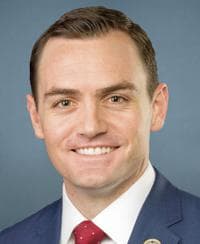
Mike Gallagher
Republican Representative
Wisconsin
Cosponsors (1)
Committees (6)
• Committee on House Administration• Rules Committee• Judiciary Committee• Constitution and Limited Government Subcommittee• Oversight and Government Reform Committee• Budget Committee
- Introduced
- In Committee
- On Floor
- Passed Chamber
- Enacted
Serve the People, Not the Swamp Act This bill establishes requirements for Members of Congress related to consideration of appropriations bills, lobbying activities, and retirement benefits. Specifically, the bill prohibits (1) the House of Representatives from adjourning for more than three calendar days in August until it has approved annual appropriations bills for the fiscal year beginning on October 1 of that year, and (2) Congress from adjourning for more than three calendar days between October 1 and the end of the congressional session until the annual appropriations bills are presented to the President. Neither chamber may recess or stand adjourned longer than 24 hours during any calendar year until Congress has agreed to a budget resolution for the fiscal year beginning on October 1 of such year that projects a balanced budget by the last fiscal year covered by the resolution. The bill establishes a five-year ban on (1) individuals appointed to executive schedule positions from engaging in lobbying activities in the executive branch, and (2) lobbying activities by Members of Congress. The Office of Government Ethics may waive lobbying restrictions for certain employees if it determines that the restrictions would create an undue hardship in obtaining qualified personnel for agency positions and granting such waiver would not create the potential for undue influence or unfair advantage. The bill excludes future Members of Congress from the Federal Employees Retirement System (FERS) and requires Members currently enrolled in FERS to opt in to continue their enrollment.
View Full TextSuggested Questions
Get AI-generated questions to help you understand this bill better
Timeline
Introduced in House
Referred to the Committee on the Judiciary, and in addition to the Committees on the Budget, Rules, Oversight and Reform, and House Administration, for a period to be subsequently determined by the Speaker, in each case for consideration of such provisions as fall within the jurisdiction of the committee concerned.
Referred to the Subcommittee on the Constitution, Civil Rights, and Civil Liberties.
Congress
AppropriationsBudget processCongressional operations and organizationCongressional oversightDistrict of ColumbiaFederal officialsGovernment employee pay, benefits, personnel managementGovernment ethics and transparency, public corruptionHouse of RepresentativesIntergovernmental relationsLegislative rules and procedureMembers of CongressPublic participation and lobbyingSenateState and local government operations
Serve the People, Not the Swamp Act
USA117th CongressHR-753| House
| Updated: 3/22/2021
Serve the People, Not the Swamp Act This bill establishes requirements for Members of Congress related to consideration of appropriations bills, lobbying activities, and retirement benefits. Specifically, the bill prohibits (1) the House of Representatives from adjourning for more than three calendar days in August until it has approved annual appropriations bills for the fiscal year beginning on October 1 of that year, and (2) Congress from adjourning for more than three calendar days between October 1 and the end of the congressional session until the annual appropriations bills are presented to the President. Neither chamber may recess or stand adjourned longer than 24 hours during any calendar year until Congress has agreed to a budget resolution for the fiscal year beginning on October 1 of such year that projects a balanced budget by the last fiscal year covered by the resolution. The bill establishes a five-year ban on (1) individuals appointed to executive schedule positions from engaging in lobbying activities in the executive branch, and (2) lobbying activities by Members of Congress. The Office of Government Ethics may waive lobbying restrictions for certain employees if it determines that the restrictions would create an undue hardship in obtaining qualified personnel for agency positions and granting such waiver would not create the potential for undue influence or unfair advantage. The bill excludes future Members of Congress from the Federal Employees Retirement System (FERS) and requires Members currently enrolled in FERS to opt in to continue their enrollment.
View Full TextSuggested Questions
Get AI-generated questions to help you understand this bill better
Timeline
Introduced in House
Referred to the Committee on the Judiciary, and in addition to the Committees on the Budget, Rules, Oversight and Reform, and House Administration, for a period to be subsequently determined by the Speaker, in each case for consideration of such provisions as fall within the jurisdiction of the committee concerned.
Referred to the Subcommittee on the Constitution, Civil Rights, and Civil Liberties.
Mike Gallagher
Republican Representative
Wisconsin
Cosponsors (1)
Committees (6)
• Committee on House Administration• Rules Committee• Judiciary Committee• Constitution and Limited Government Subcommittee• Oversight and Government Reform Committee• Budget Committee
Congress
Related Bills
- Introduced
- In Committee
- On Floor
- Passed Chamber
- Enacted
AppropriationsBudget processCongressional operations and organizationCongressional oversightDistrict of ColumbiaFederal officialsGovernment employee pay, benefits, personnel managementGovernment ethics and transparency, public corruptionHouse of RepresentativesIntergovernmental relationsLegislative rules and procedureMembers of CongressPublic participation and lobbyingSenateState and local government operations