COPS on the Beat Grant Program Reauthorization and Parity Act of 2022
USA117th CongressHR-6375| House
| Updated: 11/1/2022
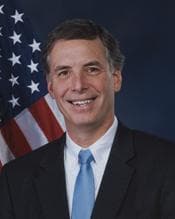
Tom Rice
Republican Representative
South Carolina
Cosponsors (58)
Kim Schrier (Democratic)Steve Chabot (Republican)Tom O'Halleran (Democratic)John Katko (Republican)Elise M. Stefanik (Republican)Jared F. Golden (Democratic)Chris Pappas (Democratic)Mikie Sherrill (Democratic)Stephanie N. Murphy (Democratic)Don Young (Republican)Abigail Davis Spanberger (Democratic)Karen Bass (Democratic)David J. Trone (Democratic)Ed Case (Democratic)Brian Higgins (Democratic)Chrissy Houlahan (Democratic)Derek Kilmer (Democratic)Jefferson Van Drew (Republican)Patrick Ryan (Democratic)Sanford D. Bishop (Democratic)Young Kim (Republican)Jimmy Panetta (Democratic)Angie Craig (Democratic)Earl L. "Buddy" Carter (Republican)Andrew R. Garbarino (Republican)Frank J. Mrvan (Democratic)Daniel T. Kildee (Democratic)Maria Elvira Salazar (Republican)Dan Newhouse (Republican)Ann M. Kuster (Democratic)Kurt Schrader (Democratic)Daniel Meuser (Republican)Don Bacon (Republican)Carol D. Miller (Republican)Joseph D. Morelle (Democratic)Elaine G. Luria (Democratic)Nancy Mace (Republican)Marilyn Strickland (Democratic)Dean Phillips (Democratic)Peter Meijer (Republican)John R. Moolenaar (Republican)Betty McCollum (Democratic)Henry Cuellar (Democratic)Antonio Delgado (Democratic)Byron Donalds (Republican)Jim Costa (Democratic)Sean Casten (Democratic)David G. Valadao (Republican)Ron Kind (Democratic)Brian K. Fitzpatrick (Republican)Elissa Slotkin (Democratic)Burgess Owens (Republican)Jenniffer González-Colón (Republican)Susie Lee (Democratic)Cathy McMorris Rodgers (Republican)Bill Johnson (Republican)Jaime Herrera Beutler (Republican)Katie Porter (Democratic)
Crime and Federal Government Surveillance Subcommittee, Judiciary Committee
- Introduced
- In Committee
- On Floor
- Passed Chamber
- Enacted
COPS on the Beat Grant Program Reauthorization and Parity Act of 2022 This bill reauthorizes through FY2031 and makes changes to the Community Oriented Policing Services grant program. Among the changes, the bill reduces the required matching contribution for certain rural communities during the first three years of a grant and eliminates the preference for agencies that exceed the matching requirements; allows grant funds to be used to increase wages of career law enforcement officers in states or localities that have a median household income of less than 70% of the national median household income and qualify for a reduced matching contribution; and provides statutory authority for the Office of Community Oriented Policing Services within the Department of Justice. Additionally, the bill requires the Government Accountability Office to report on whether law enforcement workforces are representative of the communities they serve, the percentage of law enforcement employees who live in the community they serve, the average pay of officers compared to the cost of living in the community they serve, and recommendations for improvements.
View Full TextSuggested Questions
Get AI-generated questions to help you understand this bill better
Timeline
Introduced in House
Referred to the House Committee on the Judiciary.
Referred to the Subcommittee on Crime, Terrorism, and Homeland Security.
Crime and Law Enforcement
Community life and organizationCongressional oversightDepartment of JusticeEmployee hiringExecutive agency funding and structureGovernment information and archivesGovernment studies and investigationsIntergovernmental relationsLaw enforcement administration and fundingRural conditions and development
COPS on the Beat Grant Program Reauthorization and Parity Act of 2022
USA117th CongressHR-6375| House
| Updated: 11/1/2022
COPS on the Beat Grant Program Reauthorization and Parity Act of 2022 This bill reauthorizes through FY2031 and makes changes to the Community Oriented Policing Services grant program. Among the changes, the bill reduces the required matching contribution for certain rural communities during the first three years of a grant and eliminates the preference for agencies that exceed the matching requirements; allows grant funds to be used to increase wages of career law enforcement officers in states or localities that have a median household income of less than 70% of the national median household income and qualify for a reduced matching contribution; and provides statutory authority for the Office of Community Oriented Policing Services within the Department of Justice. Additionally, the bill requires the Government Accountability Office to report on whether law enforcement workforces are representative of the communities they serve, the percentage of law enforcement employees who live in the community they serve, the average pay of officers compared to the cost of living in the community they serve, and recommendations for improvements.
View Full TextSuggested Questions
Get AI-generated questions to help you understand this bill better
Timeline
Introduced in House
Referred to the House Committee on the Judiciary.
Referred to the Subcommittee on Crime, Terrorism, and Homeland Security.
Tom Rice
Republican Representative
South Carolina
Cosponsors (58)
Kim Schrier (Democratic)Steve Chabot (Republican)Tom O'Halleran (Democratic)John Katko (Republican)Elise M. Stefanik (Republican)Jared F. Golden (Democratic)Chris Pappas (Democratic)Mikie Sherrill (Democratic)Stephanie N. Murphy (Democratic)Don Young (Republican)Abigail Davis Spanberger (Democratic)Karen Bass (Democratic)David J. Trone (Democratic)Ed Case (Democratic)Brian Higgins (Democratic)Chrissy Houlahan (Democratic)Derek Kilmer (Democratic)Jefferson Van Drew (Republican)Patrick Ryan (Democratic)Sanford D. Bishop (Democratic)Young Kim (Republican)Jimmy Panetta (Democratic)Angie Craig (Democratic)Earl L. "Buddy" Carter (Republican)Andrew R. Garbarino (Republican)Frank J. Mrvan (Democratic)Daniel T. Kildee (Democratic)Maria Elvira Salazar (Republican)Dan Newhouse (Republican)Ann M. Kuster (Democratic)Kurt Schrader (Democratic)Daniel Meuser (Republican)Don Bacon (Republican)Carol D. Miller (Republican)Joseph D. Morelle (Democratic)Elaine G. Luria (Democratic)Nancy Mace (Republican)Marilyn Strickland (Democratic)Dean Phillips (Democratic)Peter Meijer (Republican)John R. Moolenaar (Republican)Betty McCollum (Democratic)Henry Cuellar (Democratic)Antonio Delgado (Democratic)Byron Donalds (Republican)Jim Costa (Democratic)Sean Casten (Democratic)David G. Valadao (Republican)Ron Kind (Democratic)Brian K. Fitzpatrick (Republican)Elissa Slotkin (Democratic)Burgess Owens (Republican)Jenniffer González-Colón (Republican)Susie Lee (Democratic)Cathy McMorris Rodgers (Republican)Bill Johnson (Republican)Jaime Herrera Beutler (Republican)Katie Porter (Democratic)
Crime and Federal Government Surveillance Subcommittee, Judiciary Committee
Crime and Law Enforcement
- Introduced
- In Committee
- On Floor
- Passed Chamber
- Enacted
Community life and organizationCongressional oversightDepartment of JusticeEmployee hiringExecutive agency funding and structureGovernment information and archivesGovernment studies and investigationsIntergovernmental relationsLaw enforcement administration and fundingRural conditions and development