Cures 2.0 Act
USA117th CongressHR-6000| House
| Updated: 1/4/2022
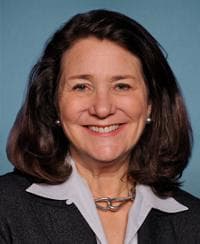
Diana DeGette
Democratic Representative
Colorado
Cosponsors (100)
Dwight Evans (Democratic)Kim Schrier (Democratic)Val Butler Demings (Democratic)Marcy Kaptur (Democratic)Tom O'Halleran (Democratic)John Katko (Republican)Tom Cole (Republican)Marc A. Veasey (Democratic)Adam B. Schiff (Democratic)Barbara Lee (Democratic)Mikie Sherrill (Democratic)Robin L. Kelly (Democratic)Don Young (Republican)Karen Bass (Democratic)James R. Langevin (Democratic)Joyce Beatty (Democratic)Lisa Blunt Rochester (Democratic)David N. Cicilline (Democratic)Ed Case (Democratic)Emanuel Cleaver (Democratic)Jackie Speier (Democratic)Kathleen M. Rice (Democratic)Darren Soto (Democratic)Derek Kilmer (Democratic)John A. Yarmuth (Democratic)Sanford D. Bishop (Democratic)C. A. Dutch Ruppersberger (Democratic)Pete Aguilar (Democratic)Bobby L. Rush (Democratic)Steven Horsford (Democratic)J. Luis Correa (Democratic)Eric Swalwell (Democratic)Michael F. Doyle (Democratic)Kathy E. Manning (Democratic)Debbie Dingell (Democratic)Steve Cohen (Democratic)Tony Cárdenas (Democratic)Suzan K. DelBene (Democratic)Scott H. Peters (Democratic)Angie Craig (Democratic)Donald M. Payne (Democratic)John P. Sarbanes (Democratic)Anthony G. Brown (Democratic)Frank J. Mrvan (Democratic)Daniel T. Kildee (Democratic)J. French Hill (Republican)David B. McKinley (Republican)A. Donald McEachin (Democratic)Ann M. Kuster (Democratic)Kurt Schrader (Democratic)Henry C. "Hank" Johnson (Democratic)Don Bacon (Republican)André Carson (Democratic)Matt Cartwright (Democratic)John B. Larson (Democratic)Fred Upton (Republican)Mark DeSaulnier (Democratic)Jim Cooper (Democratic)G. K. Butterfield (Democratic)Doris O. Matsui (Democratic)David E. Price (Democratic)Jerrold Nadler (Democratic)Theodore E. Deutch (Democratic)Anna G. Eshoo (Democratic)Josh Harder (Democratic)Kathy Castor (Democratic)Betty McCollum (Democratic)Eleanor Holmes Norton (Democratic)Sharice Davids (Democratic)Henry Cuellar (Democratic)Conor Lamb (Democratic)Michael T. McCaul (Republican)Salud O. Carbajal (Democratic)Joe Neguse (Democratic)Mike Quigley (Democratic)Lois Frankel (Democratic)Donald S. Beyer (Democratic)Sean Casten (Democratic)James P. McGovern (Democratic)Jerry McNerney (Democratic)Eddie Bernice Johnson (Democratic)Jeff Fortenberry (Republican)Yvette D. Clarke (Democratic)Brian K. Fitzpatrick (Republican)Bennie G. Thompson (Democratic)Earl Blumenauer (Democratic)Tom Reed (Republican)Deborah K. Ross (Democratic)Lori Trahan (Democratic)Elissa Slotkin (Democratic)Lizzie Fletcher (Democratic)Ed Perlmutter (Democratic)Nanette Diaz Barragán (Democratic)Teresa Leger Fernandez (Democratic)Kweisi Mfume (Democratic)Jamaal Bowman (Democratic)Jaime Herrera Beutler (Republican)Gerald E. Connolly (Democratic)Susan Wild (Democratic)Vern Buchanan (Republican)
Committees (17)
• Oversight, Investigations, and Accountability Subcommittee• Homeland Security Committee• Ways and Means Committee• Indian and Insular Affairs Subcommittee• Agriculture Committee• Health Subcommittee• Health Subcommittee• Veterans' Affairs Committee• Health Subcommittee• Judiciary Committee• Armed Services Committee• Science, Space, and Technology Committee• Energy and Commerce Committee• Education and Workforce Committee• Budget Committee• Natural Resources Committee• Conservation, Research, and Biotechnology Subcommittee
- Introduced
- In Committee
- On Floor
- Passed Chamber
- Enacted
Cures 2.0 Act This bill addresses pandemic preparedness and public health issues, caregiver and patient engagement, drug development, insurance coverage, and biomedical research. The Department of Health and Human Services (HHS) must undertake research and other activities concerning COVID-19 and develop a strategy for future pandemics and declared emergencies. Additionally, the bill specifies actions to combat antimicrobial resistance. HHS may award grants for caregiver training. The bill also addresses diversity in clinical trials, collecting patient experience data during clinical trials, and coverage for care related to participation in specified clinical trials. The bill modifies the timeframe and requires additional guidance relating to expedited approval of certain breakthrough drugs, devices, or products. It also establishes two intercenter institutes within the Food and Drug Administration (FDA) focused on particular diseases that meet specified criteria. The bill also addresses (1) coverage in Medicare, Medicaid, and the Children's Health Insurance Program for telehealth, genetic and genomic testing, and other services; (2) electronic prescribing standards for Medicare drug benefits; and (3) access to Medicare and Medicaid claims data by certain registries. Furthermore, the bill prohibits the use of geographic tracking or biometrics in Medicaid electronic visit verification systems. The bill establishes the Advanced Research Projects Agency for Health (ARPA-H) within the National Institutes of Health to accelerate biomedical research and innovation through grants, contracts, cash prizes, and other means. The FDA may work with ARPA-H to expedite the development of medical products through specified activities.
View Full TextSuggested Questions
Get AI-generated questions to help you understand this bill better
Timeline
Introduced in House
Referred to the Committee on Energy and Commerce, and in addition to the Committees on Ways and Means, the Budget, Science, Space, and Technology, Agriculture, Education and Labor, Armed Services, Natural Resources, Veterans' Affairs, Homeland Security, and the Judiciary, for a period to be subsequently determined by the Speaker, in each case for consideration of such provisions as fall within the jurisdiction of the committee concerned.
Referred to the Subcommittee on Health.
Referred to the Subcommittee on Health.
Referred to the Subcommittee on Oversight, Management, and Accountability.
Referred to the Subcommittee for Indigenous Peoples of the United States.
Referred to the Subcommittee on Health.
Referred to the Subcommittee on Biotechnology, Horticulture, and Research.
Health
Administrative law and regulatory proceduresAdministrative remediesAdvisory bodiesAppropriationsCardiovascular and respiratory healthCell biology and embryologyCenters for Disease Control and Prevention (CDC)Child care and developmentChild healthComputers and information technologyCongressional oversightDepartment of Health and Human ServicesDigestive and metabolic diseasesDigital mediaDrug safety, medical device, and laboratory regulationDrug therapyEconomic performance and conditionsEducation programs fundingEmergency medical services and trauma careExecutive agency funding and structureFederal officialsFood and Drug Administration (FDA)GeneticsGovernment information and archivesGovernment studies and investigationsHealth care costs and insuranceHealth care coverage and accessHealth care qualityHealth facilities and institutionsHealth information and medical recordsHealth personnelHealth programs administration and fundingHealth promotion and preventive careHealth technology, devices, suppliesHereditary and development disordersHigher educationHome and outpatient careHospital careImmunology and vaccinationIndian social and development programsInfectious and parasitic diseasesIntergovernmental relationsInternet and video servicesInternet, web applications, social mediaLicensing and registrationsLong-term, rehabilitative, and terminal careManufacturingMedicaidMedical educationMedical researchMedical tests and diagnostic methodsMedicareMilitary medicineMinority healthNational Institutes of Health (NIH)Poverty and welfare assistancePreschool educationPrescription drugsPublic contracts and procurementResearch administration and fundingRight of privacyState and local government operationsStudent aid and college costsUser charges and feesVeterans' medical careWorld health
Cures 2.0 Act
USA117th CongressHR-6000| House
| Updated: 1/4/2022
Cures 2.0 Act This bill addresses pandemic preparedness and public health issues, caregiver and patient engagement, drug development, insurance coverage, and biomedical research. The Department of Health and Human Services (HHS) must undertake research and other activities concerning COVID-19 and develop a strategy for future pandemics and declared emergencies. Additionally, the bill specifies actions to combat antimicrobial resistance. HHS may award grants for caregiver training. The bill also addresses diversity in clinical trials, collecting patient experience data during clinical trials, and coverage for care related to participation in specified clinical trials. The bill modifies the timeframe and requires additional guidance relating to expedited approval of certain breakthrough drugs, devices, or products. It also establishes two intercenter institutes within the Food and Drug Administration (FDA) focused on particular diseases that meet specified criteria. The bill also addresses (1) coverage in Medicare, Medicaid, and the Children's Health Insurance Program for telehealth, genetic and genomic testing, and other services; (2) electronic prescribing standards for Medicare drug benefits; and (3) access to Medicare and Medicaid claims data by certain registries. Furthermore, the bill prohibits the use of geographic tracking or biometrics in Medicaid electronic visit verification systems. The bill establishes the Advanced Research Projects Agency for Health (ARPA-H) within the National Institutes of Health to accelerate biomedical research and innovation through grants, contracts, cash prizes, and other means. The FDA may work with ARPA-H to expedite the development of medical products through specified activities.
View Full TextSuggested Questions
Get AI-generated questions to help you understand this bill better
Timeline
Introduced in House
Referred to the Committee on Energy and Commerce, and in addition to the Committees on Ways and Means, the Budget, Science, Space, and Technology, Agriculture, Education and Labor, Armed Services, Natural Resources, Veterans' Affairs, Homeland Security, and the Judiciary, for a period to be subsequently determined by the Speaker, in each case for consideration of such provisions as fall within the jurisdiction of the committee concerned.
Referred to the Subcommittee on Health.
Referred to the Subcommittee on Health.
Referred to the Subcommittee on Oversight, Management, and Accountability.
Referred to the Subcommittee for Indigenous Peoples of the United States.
Referred to the Subcommittee on Health.
Referred to the Subcommittee on Biotechnology, Horticulture, and Research.
Diana DeGette
Democratic Representative
Colorado
Cosponsors (100)
Dwight Evans (Democratic)Kim Schrier (Democratic)Val Butler Demings (Democratic)Marcy Kaptur (Democratic)Tom O'Halleran (Democratic)John Katko (Republican)Tom Cole (Republican)Marc A. Veasey (Democratic)Adam B. Schiff (Democratic)Barbara Lee (Democratic)Mikie Sherrill (Democratic)Robin L. Kelly (Democratic)Don Young (Republican)Karen Bass (Democratic)James R. Langevin (Democratic)Joyce Beatty (Democratic)Lisa Blunt Rochester (Democratic)David N. Cicilline (Democratic)Ed Case (Democratic)Emanuel Cleaver (Democratic)Jackie Speier (Democratic)Kathleen M. Rice (Democratic)Darren Soto (Democratic)Derek Kilmer (Democratic)John A. Yarmuth (Democratic)Sanford D. Bishop (Democratic)C. A. Dutch Ruppersberger (Democratic)Pete Aguilar (Democratic)Bobby L. Rush (Democratic)Steven Horsford (Democratic)J. Luis Correa (Democratic)Eric Swalwell (Democratic)Michael F. Doyle (Democratic)Kathy E. Manning (Democratic)Debbie Dingell (Democratic)Steve Cohen (Democratic)Tony Cárdenas (Democratic)Suzan K. DelBene (Democratic)Scott H. Peters (Democratic)Angie Craig (Democratic)Donald M. Payne (Democratic)John P. Sarbanes (Democratic)Anthony G. Brown (Democratic)Frank J. Mrvan (Democratic)Daniel T. Kildee (Democratic)J. French Hill (Republican)David B. McKinley (Republican)A. Donald McEachin (Democratic)Ann M. Kuster (Democratic)Kurt Schrader (Democratic)Henry C. "Hank" Johnson (Democratic)Don Bacon (Republican)André Carson (Democratic)Matt Cartwright (Democratic)John B. Larson (Democratic)Fred Upton (Republican)Mark DeSaulnier (Democratic)Jim Cooper (Democratic)G. K. Butterfield (Democratic)Doris O. Matsui (Democratic)David E. Price (Democratic)Jerrold Nadler (Democratic)Theodore E. Deutch (Democratic)Anna G. Eshoo (Democratic)Josh Harder (Democratic)Kathy Castor (Democratic)Betty McCollum (Democratic)Eleanor Holmes Norton (Democratic)Sharice Davids (Democratic)Henry Cuellar (Democratic)Conor Lamb (Democratic)Michael T. McCaul (Republican)Salud O. Carbajal (Democratic)Joe Neguse (Democratic)Mike Quigley (Democratic)Lois Frankel (Democratic)Donald S. Beyer (Democratic)Sean Casten (Democratic)James P. McGovern (Democratic)Jerry McNerney (Democratic)Eddie Bernice Johnson (Democratic)Jeff Fortenberry (Republican)Yvette D. Clarke (Democratic)Brian K. Fitzpatrick (Republican)Bennie G. Thompson (Democratic)Earl Blumenauer (Democratic)Tom Reed (Republican)Deborah K. Ross (Democratic)Lori Trahan (Democratic)Elissa Slotkin (Democratic)Lizzie Fletcher (Democratic)Ed Perlmutter (Democratic)Nanette Diaz Barragán (Democratic)Teresa Leger Fernandez (Democratic)Kweisi Mfume (Democratic)Jamaal Bowman (Democratic)Jaime Herrera Beutler (Republican)Gerald E. Connolly (Democratic)Susan Wild (Democratic)Vern Buchanan (Republican)
Committees (17)
• Oversight, Investigations, and Accountability Subcommittee• Homeland Security Committee• Ways and Means Committee• Indian and Insular Affairs Subcommittee• Agriculture Committee• Health Subcommittee• Health Subcommittee• Veterans' Affairs Committee• Health Subcommittee• Judiciary Committee• Armed Services Committee• Science, Space, and Technology Committee• Energy and Commerce Committee• Education and Workforce Committee• Budget Committee• Natural Resources Committee• Conservation, Research, and Biotechnology Subcommittee
Health
Related Bills
- Introduced
- In Committee
- On Floor
- Passed Chamber
- Enacted
Administrative law and regulatory proceduresAdministrative remediesAdvisory bodiesAppropriationsCardiovascular and respiratory healthCell biology and embryologyCenters for Disease Control and Prevention (CDC)Child care and developmentChild healthComputers and information technologyCongressional oversightDepartment of Health and Human ServicesDigestive and metabolic diseasesDigital mediaDrug safety, medical device, and laboratory regulationDrug therapyEconomic performance and conditionsEducation programs fundingEmergency medical services and trauma careExecutive agency funding and structureFederal officialsFood and Drug Administration (FDA)GeneticsGovernment information and archivesGovernment studies and investigationsHealth care costs and insuranceHealth care coverage and accessHealth care qualityHealth facilities and institutionsHealth information and medical recordsHealth personnelHealth programs administration and fundingHealth promotion and preventive careHealth technology, devices, suppliesHereditary and development disordersHigher educationHome and outpatient careHospital careImmunology and vaccinationIndian social and development programsInfectious and parasitic diseasesIntergovernmental relationsInternet and video servicesInternet, web applications, social mediaLicensing and registrationsLong-term, rehabilitative, and terminal careManufacturingMedicaidMedical educationMedical researchMedical tests and diagnostic methodsMedicareMilitary medicineMinority healthNational Institutes of Health (NIH)Poverty and welfare assistancePreschool educationPrescription drugsPublic contracts and procurementResearch administration and fundingRight of privacyState and local government operationsStudent aid and college costsUser charges and feesVeterans' medical careWorld health