Disaster Equity and Fairness Act
USA117th CongressHR-5780| House
| Updated: 10/29/2021
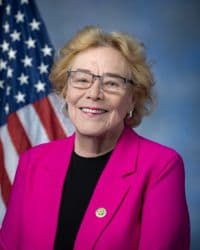
Zoe Lofgren
Democratic Representative
California
Cosponsors (5)
Transportation and Infrastructure Committee, Economic Development, Public Buildings, and Emergency Management Subcommittee
- Introduced
- In Committee
- On Floor
- Passed Chamber
- Enacted
Disaster Equity and Fairness Act This bill makes changes in the provision of federal disaster assistance to underserved communities and other specified recipients. Underserved community means populations sharing a particular characteristic and geographic communities that have been systematically denied a full opportunity to participate in aspects of economic, social, and civic life. Specifically, the bill increases the federal cost share to a local government or Indian tribal government in connection with a second or subsequent major disaster during any three-year period. The Federal Emergency Management Agency (FEMA) may provide assistance to a state, local government, or Indian tribal government to reimburse the cost of coordinating food delivery, production, and distribution in the event of a major disaster. FEMA must provide direct technical assistance to eligible entities for applications and prioritize specified categories of communities, including underserved communities, those that have demonstrated a compelling need, and those that are exposed to increased hazards or vulnerabilities. The bill increases the federal cost share for a recipient (1) that will use the assistance in, or for the benefit of persons who are members of, an undeserved community; or (2) who is in, or who is a member of, an underserved community.
View Full TextSuggested Questions
Get AI-generated questions to help you understand this bill better
Timeline
Introduced in House
Referred to the House Committee on Transportation and Infrastructure.
Referred to the Subcommittee on Economic Development, Public Buildings, and Emergency Management.
Emergency Management
Disaster Equity and Fairness Act
USA117th CongressHR-5780| House
| Updated: 10/29/2021
Disaster Equity and Fairness Act This bill makes changes in the provision of federal disaster assistance to underserved communities and other specified recipients. Underserved community means populations sharing a particular characteristic and geographic communities that have been systematically denied a full opportunity to participate in aspects of economic, social, and civic life. Specifically, the bill increases the federal cost share to a local government or Indian tribal government in connection with a second or subsequent major disaster during any three-year period. The Federal Emergency Management Agency (FEMA) may provide assistance to a state, local government, or Indian tribal government to reimburse the cost of coordinating food delivery, production, and distribution in the event of a major disaster. FEMA must provide direct technical assistance to eligible entities for applications and prioritize specified categories of communities, including underserved communities, those that have demonstrated a compelling need, and those that are exposed to increased hazards or vulnerabilities. The bill increases the federal cost share for a recipient (1) that will use the assistance in, or for the benefit of persons who are members of, an undeserved community; or (2) who is in, or who is a member of, an underserved community.
View Full TextSuggested Questions
Get AI-generated questions to help you understand this bill better
Timeline
Introduced in House
Referred to the House Committee on Transportation and Infrastructure.
Referred to the Subcommittee on Economic Development, Public Buildings, and Emergency Management.
Zoe Lofgren
Democratic Representative
California
Cosponsors (5)
Transportation and Infrastructure Committee, Economic Development, Public Buildings, and Emergency Management Subcommittee
Emergency Management
Related Bills
- Introduced
- In Committee
- On Floor
- Passed Chamber
- Enacted