SECURE America Act
USA117th CongressHR-5572| House
| Updated: 11/1/2022
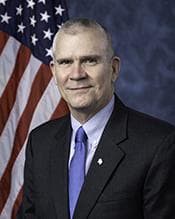
Matthew M. Rosendale
Republican Representative
Montana
Cosponsors (20)
Bob Good (Republican)Barry Moore (Republican)Mo Brooks (Republican)Clay Higgins (Republican)Jim Hagedorn (Republican)Thomas P. Tiffany (Republican)Lance Gooden (Republican)Jeff Duncan (Republican)Scott Perry (Republican)Kat Cammack (Republican)W. Gregory Steube (Republican)Dan Bishop (Republican)Mary E. Miller (Republican)Scott DesJarlais (Republican)Bill Posey (Republican)Randy K. Sr. Weber (Republican)Ralph Norman (Republican)Louie Gohmert (Republican)Brian Babin (Republican)Fred Keller (Republican)
Judiciary Committee, Immigration Integrity, Security, and Enforcement Subcommittee
- Introduced
- In Committee
- On Floor
- Passed Chamber
- Enacted
Safeguards Ensuring Criminal and Unvetted Refugees don't Enter America Act or the SECURE America Act This bill imposes restrictions on the admission of aliens, including refugees, and addresses related issues. Specifically, no refugees may be admitted until Congress enacts a joint resolution setting the maximum number of refugees allowed to be admitted in a particular fiscal year. Currently, that number is set each fiscal year by the President. The Department of Homeland Security (DHS) must notify Congress at least 30 days before determining that an alien or class of aliens is eligible for refugee status. Congress may nullify the determination by enacting a joint resolution of disapproval. Further, an alien shall be inadmissible for holding certain beliefs, such as (1) believing that a system of religious law should be implemented in the United States, (2) believing that the alien does not need to learn English if the alien is not already fluent, or (3) any belief that the Department of State determines is incompatible with the principles of the United States. DHS may not parole into the United States an alien who does not have status under immigration law. Currently, DHS may provide parole in certain instances, including for urgent humanitarian reasons. Federal agencies must notify a state at least 30 days before resettling a refugee in that state. The refugee may not be resettled in that state if the state expresses disapproval. An alien who has committed a crime of violence (generally one involving the use or threat of physical violence against person or property) may not be eligible for refugee status and must be removed.
View Full TextSuggested Questions
Get AI-generated questions to help you understand this bill better
Timeline
Introduced in House
Referred to the House Committee on the Judiciary.
Referred to the Subcommittee on Immigration and Citizenship.
Immigration
Border security and unlawful immigrationFirst Amendment rightsForeign language and bilingual programsHomeland securityImmigration status and proceduresPolitical movements and philosophiesRefugees, asylum, displaced personsReligionViolent crime
SECURE America Act
USA117th CongressHR-5572| House
| Updated: 11/1/2022
Safeguards Ensuring Criminal and Unvetted Refugees don't Enter America Act or the SECURE America Act This bill imposes restrictions on the admission of aliens, including refugees, and addresses related issues. Specifically, no refugees may be admitted until Congress enacts a joint resolution setting the maximum number of refugees allowed to be admitted in a particular fiscal year. Currently, that number is set each fiscal year by the President. The Department of Homeland Security (DHS) must notify Congress at least 30 days before determining that an alien or class of aliens is eligible for refugee status. Congress may nullify the determination by enacting a joint resolution of disapproval. Further, an alien shall be inadmissible for holding certain beliefs, such as (1) believing that a system of religious law should be implemented in the United States, (2) believing that the alien does not need to learn English if the alien is not already fluent, or (3) any belief that the Department of State determines is incompatible with the principles of the United States. DHS may not parole into the United States an alien who does not have status under immigration law. Currently, DHS may provide parole in certain instances, including for urgent humanitarian reasons. Federal agencies must notify a state at least 30 days before resettling a refugee in that state. The refugee may not be resettled in that state if the state expresses disapproval. An alien who has committed a crime of violence (generally one involving the use or threat of physical violence against person or property) may not be eligible for refugee status and must be removed.
View Full TextSuggested Questions
Get AI-generated questions to help you understand this bill better
Timeline
Introduced in House
Referred to the House Committee on the Judiciary.
Referred to the Subcommittee on Immigration and Citizenship.
Matthew M. Rosendale
Republican Representative
Montana
Cosponsors (20)
Bob Good (Republican)Barry Moore (Republican)Mo Brooks (Republican)Clay Higgins (Republican)Jim Hagedorn (Republican)Thomas P. Tiffany (Republican)Lance Gooden (Republican)Jeff Duncan (Republican)Scott Perry (Republican)Kat Cammack (Republican)W. Gregory Steube (Republican)Dan Bishop (Republican)Mary E. Miller (Republican)Scott DesJarlais (Republican)Bill Posey (Republican)Randy K. Sr. Weber (Republican)Ralph Norman (Republican)Louie Gohmert (Republican)Brian Babin (Republican)Fred Keller (Republican)
Judiciary Committee, Immigration Integrity, Security, and Enforcement Subcommittee
Immigration
- Introduced
- In Committee
- On Floor
- Passed Chamber
- Enacted
Border security and unlawful immigrationFirst Amendment rightsForeign language and bilingual programsHomeland securityImmigration status and proceduresPolitical movements and philosophiesRefugees, asylum, displaced personsReligionViolent crime