Migratory Bird Protection Act of 2021
USA117th CongressHR-4833| House
| Updated: 8/14/2021
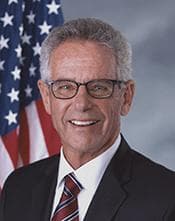
Alan S. Lowenthal
Democratic Representative
California
Cosponsors (88)
Dwight Evans (Democratic)Tom O'Halleran (Democratic)John Katko (Republican)Ruben Gallego (Democratic)Chris Pappas (Democratic)Jared Huffman (Democratic)Robert C. "Bobby" Scott (Democratic)Adam B. Schiff (Democratic)Barbara Lee (Democratic)Raúl M. Grijalva (Democratic)Mark Pocan (Democratic)Lisa Blunt Rochester (Democratic)David N. Cicilline (Democratic)Ed Case (Democratic)Chrissy Houlahan (Democratic)Jackie Speier (Democratic)Darren Soto (Democratic)Derek Kilmer (Democratic)Jefferson Van Drew (Republican)Carolyn B. Maloney (Democratic)Bill Foster (Democratic)Gregorio Kilili Camacho Sablan (Democratic)Steven Horsford (Democratic)Andy Levin (Democratic)Debbie Dingell (Democratic)Madeleine Dean (Democratic)Melanie A. Stansbury (Democratic)Steve Cohen (Democratic)Suzan K. DelBene (Democratic)Paul Tonko (Democratic)Donald M. Payne (Democratic)Thomas R. Suozzi (Democratic)Haley M. Stevens (Democratic)Adriano Espaillat (Democratic)Ann Kirkpatrick (Democratic)Peter A. DeFazio (Democratic)Daniel T. Kildee (Democratic)Ted Lieu (Democratic)Maria Elvira Salazar (Republican)Greg Stanton (Democratic)Kaiali'i Kahele (Democratic)Ann M. Kuster (Democratic)André Carson (Democratic)Brendan F. Boyle (Democratic)Jim Cooper (Democratic)Joseph D. Morelle (Democratic)Sara Jacobs (Democratic)Marilyn Strickland (Democratic)Gregory W. Meeks (Democratic)Jerrold Nadler (Democratic)Anna G. Eshoo (Democratic)Josh Harder (Democratic)Mark Takano (Democratic)Lucy McBath (Democratic)Pramila Jayapal (Democratic)Betty McCollum (Democratic)Eleanor Holmes Norton (Democratic)Sharice Davids (Democratic)Brad Sherman (Democratic)Bonnie Watson Coleman (Democratic)Mary Gay Scanlon (Democratic)Joe Neguse (Democratic)Mike Quigley (Democratic)Donald S. Beyer (Democratic)Sean Casten (Democratic)Diana DeGette (Democratic)Janice D. Schakowsky (Democratic)Andy Kim (Democratic)Nydia M. Velázquez (Democratic)Jerry McNerney (Democratic)Rick Larsen (Democratic)Brian K. Fitzpatrick (Republican)Earl Blumenauer (Democratic)Deborah K. Ross (Democratic)Seth Moulton (Democratic)Mike Thompson (Democratic)Elissa Slotkin (Democratic)Josh Gottheimer (Democratic)Zoe Lofgren (Democratic)Nanette Diaz Barragán (Democratic)Frank Pallone (Democratic)Rashida Tlaib (Democratic)Gerald E. Connolly (Democratic)Chellie Pingree (Democratic)Bill Pascrell (Democratic)Katie Porter (Democratic)Susan Wild (Democratic)Mike Levin (Democratic)
Water, Wildlife and Fisheries Subcommittee, Natural Resources Committee
- Introduced
- In Committee
- On Floor
- Passed Chamber
- Enacted
Migratory Bird Protection Act of 2021 This bill prohibits the incidental taking (e.g., capturing or killing) of migratory birds by commercial activities unless the activity is authorized under a permit or is identified as posing de minimis risk to migratory birds. The U.S. Fish and Wildlife Service (USFWS) must regulate such incidental taking, including by (1) issuing general permits for certain industries, (2) creating a mitigation fee for any incidental taking of migratory birds, and (3) identifying categories of de minimis risk activities that are exempt from liability for the taking of migratory birds. In addition, the USFWS must establish and maintain a research program (1) to evaluate the impacts of commercial activities on birds, (2) to evaluate the effectiveness of best management practices and technologies to avoid or minimize such impacts, and (3) to develop new or improved best management practices and technologies.
View Full TextSuggested Questions
Get AI-generated questions to help you understand this bill better
Timeline
Introduced in House
Referred to the House Committee on Natural Resources.
Referred to the Subcommittee on Water, Oceans, and Wildlife.
Animals
Migratory Bird Protection Act of 2021
USA117th CongressHR-4833| House
| Updated: 8/14/2021
Migratory Bird Protection Act of 2021 This bill prohibits the incidental taking (e.g., capturing or killing) of migratory birds by commercial activities unless the activity is authorized under a permit or is identified as posing de minimis risk to migratory birds. The U.S. Fish and Wildlife Service (USFWS) must regulate such incidental taking, including by (1) issuing general permits for certain industries, (2) creating a mitigation fee for any incidental taking of migratory birds, and (3) identifying categories of de minimis risk activities that are exempt from liability for the taking of migratory birds. In addition, the USFWS must establish and maintain a research program (1) to evaluate the impacts of commercial activities on birds, (2) to evaluate the effectiveness of best management practices and technologies to avoid or minimize such impacts, and (3) to develop new or improved best management practices and technologies.
View Full TextSuggested Questions
Get AI-generated questions to help you understand this bill better
Timeline
Introduced in House
Referred to the House Committee on Natural Resources.
Referred to the Subcommittee on Water, Oceans, and Wildlife.
Alan S. Lowenthal
Democratic Representative
California
Cosponsors (88)
Dwight Evans (Democratic)Tom O'Halleran (Democratic)John Katko (Republican)Ruben Gallego (Democratic)Chris Pappas (Democratic)Jared Huffman (Democratic)Robert C. "Bobby" Scott (Democratic)Adam B. Schiff (Democratic)Barbara Lee (Democratic)Raúl M. Grijalva (Democratic)Mark Pocan (Democratic)Lisa Blunt Rochester (Democratic)David N. Cicilline (Democratic)Ed Case (Democratic)Chrissy Houlahan (Democratic)Jackie Speier (Democratic)Darren Soto (Democratic)Derek Kilmer (Democratic)Jefferson Van Drew (Republican)Carolyn B. Maloney (Democratic)Bill Foster (Democratic)Gregorio Kilili Camacho Sablan (Democratic)Steven Horsford (Democratic)Andy Levin (Democratic)Debbie Dingell (Democratic)Madeleine Dean (Democratic)Melanie A. Stansbury (Democratic)Steve Cohen (Democratic)Suzan K. DelBene (Democratic)Paul Tonko (Democratic)Donald M. Payne (Democratic)Thomas R. Suozzi (Democratic)Haley M. Stevens (Democratic)Adriano Espaillat (Democratic)Ann Kirkpatrick (Democratic)Peter A. DeFazio (Democratic)Daniel T. Kildee (Democratic)Ted Lieu (Democratic)Maria Elvira Salazar (Republican)Greg Stanton (Democratic)Kaiali'i Kahele (Democratic)Ann M. Kuster (Democratic)André Carson (Democratic)Brendan F. Boyle (Democratic)Jim Cooper (Democratic)Joseph D. Morelle (Democratic)Sara Jacobs (Democratic)Marilyn Strickland (Democratic)Gregory W. Meeks (Democratic)Jerrold Nadler (Democratic)Anna G. Eshoo (Democratic)Josh Harder (Democratic)Mark Takano (Democratic)Lucy McBath (Democratic)Pramila Jayapal (Democratic)Betty McCollum (Democratic)Eleanor Holmes Norton (Democratic)Sharice Davids (Democratic)Brad Sherman (Democratic)Bonnie Watson Coleman (Democratic)Mary Gay Scanlon (Democratic)Joe Neguse (Democratic)Mike Quigley (Democratic)Donald S. Beyer (Democratic)Sean Casten (Democratic)Diana DeGette (Democratic)Janice D. Schakowsky (Democratic)Andy Kim (Democratic)Nydia M. Velázquez (Democratic)Jerry McNerney (Democratic)Rick Larsen (Democratic)Brian K. Fitzpatrick (Republican)Earl Blumenauer (Democratic)Deborah K. Ross (Democratic)Seth Moulton (Democratic)Mike Thompson (Democratic)Elissa Slotkin (Democratic)Josh Gottheimer (Democratic)Zoe Lofgren (Democratic)Nanette Diaz Barragán (Democratic)Frank Pallone (Democratic)Rashida Tlaib (Democratic)Gerald E. Connolly (Democratic)Chellie Pingree (Democratic)Bill Pascrell (Democratic)Katie Porter (Democratic)Susan Wild (Democratic)Mike Levin (Democratic)
Water, Wildlife and Fisheries Subcommittee, Natural Resources Committee
Animals
- Introduced
- In Committee
- On Floor
- Passed Chamber
- Enacted