Elijah E. Cummings Lower Drug Costs Now Act
USA117th CongressHR-3| House
| Updated: 4/27/2021
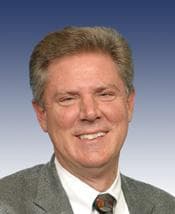
Frank Pallone
Democratic Representative
New Jersey
Cosponsors (92)
Dwight Evans (Democratic)Al Lawson (Democratic)Donald Norcross (Democratic)Tim Ryan (Democratic)Nikema Williams (Democratic)Marcy Kaptur (Democratic)John Garamendi (Democratic)Sylvia R. Garcia (Democratic)Chris Pappas (Democratic)Robert C. "Bobby" Scott (Democratic)Adam B. Schiff (Democratic)Ritchie Torres (Democratic)Abigail Davis Spanberger (Democratic)James R. Langevin (Democratic)Joyce Beatty (Democratic)Lisa Blunt Rochester (Democratic)David N. Cicilline (Democratic)David J. Trone (Democratic)Ed Case (Democratic)Emanuel Cleaver (Democratic)Brian Higgins (Democratic)Darren Soto (Democratic)John A. Yarmuth (Democratic)Carolyn B. Maloney (Democratic)Joe Courtney (Democratic)C. A. Dutch Ruppersberger (Democratic)Frederica S. Wilson (Democratic)Bobby L. Rush (Democratic)Gregorio Kilili Camacho Sablan (Democratic)Steven Horsford (Democratic)Michael F. Doyle (Democratic)Kathy E. Manning (Democratic)Debbie Dingell (Democratic)Melanie A. Stansbury (Democratic)Steve Cohen (Democratic)Angie Craig (Democratic)Thomas R. Suozzi (Democratic)John P. Sarbanes (Democratic)Haley M. Stevens (Democratic)Anthony G. Brown (Democratic)Danny K. Davis (Democratic)Lucille Roybal-Allard (Democratic)Daniel T. Kildee (Democratic)Jake Auchincloss (Democratic)Ted Lieu (Democratic)Ann M. Kuster (Democratic)Sean Patrick Maloney (Democratic)Matt Cartwright (Democratic)John B. Larson (Democratic)Joaquin Castro (Democratic)Mark DeSaulnier (Democratic)Jim Cooper (Democratic)Joseph D. Morelle (Democratic)Sara Jacobs (Democratic)Marilyn Strickland (Democratic)Dean Phillips (Democratic)Jahana Hayes (Democratic)Theodore E. Deutch (Democratic)Kathy Castor (Democratic)Betty McCollum (Democratic)Eleanor Holmes Norton (Democratic)Richard E. Neal (Democratic)Norma J. Torres (Democratic)Salud O. Carbajal (Democratic)Joe Neguse (Democratic)Lois Frankel (Democratic)Sean Casten (Democratic)Diana DeGette (Democratic)Janice D. Schakowsky (Democratic)Andy Kim (Democratic)Maxine Waters (Democratic)Adam Smith (Democratic)Jerry McNerney (Democratic)Rick Larsen (Democratic)Peter Welch (Democratic)Colin Z. Allred (Democratic)Earl Blumenauer (Democratic)Charlie Crist (Democratic)Mike Thompson (Democratic)Elissa Slotkin (Democratic)Lizzie Fletcher (Democratic)Nanette Diaz Barragán (Democratic)Gwen Moore (Democratic)Jimmy Gomez (Democratic)Grace Meng (Democratic)Cheri Bustos (Democratic)Kweisi Mfume (Democratic)Debbie Wasserman Schultz (Democratic)Gerald E. Connolly (Democratic)Lauren Underwood (Democratic)Grace F. Napolitano (Democratic)Susan Wild (Democratic)
Committees (8)
• Ways and Means Committee• Oversight and Investigations Subcommittee• Health Subcommittee• Veterans' Affairs Committee• Health Subcommittee• Energy and Commerce Committee• Education and Workforce Committee• Oversight and Government Reform Committee
- Introduced
- In Committee
- On Floor
- Passed Chamber
- Enacted
Elijah E. Cummings Lower Drug Costs Now Act This bill establishes several programs and requirements relating to the prices of prescription drugs. In particular, the bill requires the Department of Health and Human Services (HHS) to negotiate prices for certain drugs (current law prohibits HHS from doing so). Specifically, HHS must negotiate maximum prices for single-source, brand-name drugs that lack certain generics and that are among either the 125 drugs that account for the greatest national spending or the 125 drugs that account for the greatest Medicare spending. HHS must negotiate the prices of at least 25 such drugs for 2024 and of at least 50 such drugs thereafter and must also negotiate prices for certain newly approved drugs and for insulin products. The negotiated prices must be offered under Medicare and may also be offered under private health insurance unless the insurer opts out. The negotiated maximum price may not exceed (1) 120% of the average price in Australia, Canada, France, Germany, Japan, and the United Kingdom; or (2) if such information is not available, 85% of the U.S. average manufacturer price. Drug manufacturers that fail to comply with the bill's negotiation requirements are subject to civil and tax penalties. The bill also makes a series of additional changes to Medicare prescription drug coverage and pricing, including by (1) requiring drug manufacturers to issue rebates to the Centers for Medicare & Medicaid Services for covered drugs that cost $100 or more and for which the average manufacturer price increases faster than inflation, and (2) capping annual out-of-pocket spending under the Medicare prescription drug benefit. The bill also requires drug manufacturers to report specified information for certain high-cost drugs, and it provides funds for opioid epidemic initiatives and biomedical research.
View Full TextSuggested Questions
Get AI-generated questions to help you understand this bill better
Timeline
Introduced in House
Referred to the Committee on Energy and Commerce, and in addition to the Committees on Ways and Means, Education and Labor, Oversight and Reform, and Veterans' Affairs, for a period to be subsequently determined by the Speaker, in each case for consideration of such provisions as fall within the jurisdiction of the committee concerned.
Referred to the Subcommittee on Health.
Referred to the Subcommittee on Health.
Referred to the Subcommittee on Oversight and Investigations.
Health
Administrative law and regulatory proceduresAdvanced technology and technological innovationsAppropriationsCenters for Disease Control and Prevention (CDC)Civil actions and liabilityCongressional oversightCustoms enforcementDepartment of Health and Human ServicesDepartment of LaborDepartment of the TreasuryDigestive and metabolic diseasesDrug, alcohol, tobacco useDrug safety, medical device, and laboratory regulationDrug therapyDrug trafficking and controlled substancesEmployee benefits and pensionsExecutive agency funding and structureFirst responders and emergency personnelFood and Drug Administration (FDA)Government information and archivesGovernment studies and investigationsGovernment trust fundsHealth care costs and insuranceHealth care qualityHealth information and medical recordsHealth programs administration and fundingHealth promotion and preventive careHealth technology, devices, suppliesImmunology and vaccinationInflation and pricesInsurance industry and regulationManufacturingMarketing and advertisingMedical researchMedical tests and diagnostic methodsMedicareMental healthPerformance measurementPrescription drugsPublic contracts and procurementPublic-private cooperationResearch administration and fundingResearch and developmentRetail and wholesale tradesSales and excise taxesVeterans' medical care
Elijah E. Cummings Lower Drug Costs Now Act
USA117th CongressHR-3| House
| Updated: 4/27/2021
Elijah E. Cummings Lower Drug Costs Now Act This bill establishes several programs and requirements relating to the prices of prescription drugs. In particular, the bill requires the Department of Health and Human Services (HHS) to negotiate prices for certain drugs (current law prohibits HHS from doing so). Specifically, HHS must negotiate maximum prices for single-source, brand-name drugs that lack certain generics and that are among either the 125 drugs that account for the greatest national spending or the 125 drugs that account for the greatest Medicare spending. HHS must negotiate the prices of at least 25 such drugs for 2024 and of at least 50 such drugs thereafter and must also negotiate prices for certain newly approved drugs and for insulin products. The negotiated prices must be offered under Medicare and may also be offered under private health insurance unless the insurer opts out. The negotiated maximum price may not exceed (1) 120% of the average price in Australia, Canada, France, Germany, Japan, and the United Kingdom; or (2) if such information is not available, 85% of the U.S. average manufacturer price. Drug manufacturers that fail to comply with the bill's negotiation requirements are subject to civil and tax penalties. The bill also makes a series of additional changes to Medicare prescription drug coverage and pricing, including by (1) requiring drug manufacturers to issue rebates to the Centers for Medicare & Medicaid Services for covered drugs that cost $100 or more and for which the average manufacturer price increases faster than inflation, and (2) capping annual out-of-pocket spending under the Medicare prescription drug benefit. The bill also requires drug manufacturers to report specified information for certain high-cost drugs, and it provides funds for opioid epidemic initiatives and biomedical research.
View Full TextSuggested Questions
Get AI-generated questions to help you understand this bill better
Timeline
Introduced in House
Referred to the Committee on Energy and Commerce, and in addition to the Committees on Ways and Means, Education and Labor, Oversight and Reform, and Veterans' Affairs, for a period to be subsequently determined by the Speaker, in each case for consideration of such provisions as fall within the jurisdiction of the committee concerned.
Referred to the Subcommittee on Health.
Referred to the Subcommittee on Health.
Referred to the Subcommittee on Oversight and Investigations.
Frank Pallone
Democratic Representative
New Jersey
Cosponsors (92)
Dwight Evans (Democratic)Al Lawson (Democratic)Donald Norcross (Democratic)Tim Ryan (Democratic)Nikema Williams (Democratic)Marcy Kaptur (Democratic)John Garamendi (Democratic)Sylvia R. Garcia (Democratic)Chris Pappas (Democratic)Robert C. "Bobby" Scott (Democratic)Adam B. Schiff (Democratic)Ritchie Torres (Democratic)Abigail Davis Spanberger (Democratic)James R. Langevin (Democratic)Joyce Beatty (Democratic)Lisa Blunt Rochester (Democratic)David N. Cicilline (Democratic)David J. Trone (Democratic)Ed Case (Democratic)Emanuel Cleaver (Democratic)Brian Higgins (Democratic)Darren Soto (Democratic)John A. Yarmuth (Democratic)Carolyn B. Maloney (Democratic)Joe Courtney (Democratic)C. A. Dutch Ruppersberger (Democratic)Frederica S. Wilson (Democratic)Bobby L. Rush (Democratic)Gregorio Kilili Camacho Sablan (Democratic)Steven Horsford (Democratic)Michael F. Doyle (Democratic)Kathy E. Manning (Democratic)Debbie Dingell (Democratic)Melanie A. Stansbury (Democratic)Steve Cohen (Democratic)Angie Craig (Democratic)Thomas R. Suozzi (Democratic)John P. Sarbanes (Democratic)Haley M. Stevens (Democratic)Anthony G. Brown (Democratic)Danny K. Davis (Democratic)Lucille Roybal-Allard (Democratic)Daniel T. Kildee (Democratic)Jake Auchincloss (Democratic)Ted Lieu (Democratic)Ann M. Kuster (Democratic)Sean Patrick Maloney (Democratic)Matt Cartwright (Democratic)John B. Larson (Democratic)Joaquin Castro (Democratic)Mark DeSaulnier (Democratic)Jim Cooper (Democratic)Joseph D. Morelle (Democratic)Sara Jacobs (Democratic)Marilyn Strickland (Democratic)Dean Phillips (Democratic)Jahana Hayes (Democratic)Theodore E. Deutch (Democratic)Kathy Castor (Democratic)Betty McCollum (Democratic)Eleanor Holmes Norton (Democratic)Richard E. Neal (Democratic)Norma J. Torres (Democratic)Salud O. Carbajal (Democratic)Joe Neguse (Democratic)Lois Frankel (Democratic)Sean Casten (Democratic)Diana DeGette (Democratic)Janice D. Schakowsky (Democratic)Andy Kim (Democratic)Maxine Waters (Democratic)Adam Smith (Democratic)Jerry McNerney (Democratic)Rick Larsen (Democratic)Peter Welch (Democratic)Colin Z. Allred (Democratic)Earl Blumenauer (Democratic)Charlie Crist (Democratic)Mike Thompson (Democratic)Elissa Slotkin (Democratic)Lizzie Fletcher (Democratic)Nanette Diaz Barragán (Democratic)Gwen Moore (Democratic)Jimmy Gomez (Democratic)Grace Meng (Democratic)Cheri Bustos (Democratic)Kweisi Mfume (Democratic)Debbie Wasserman Schultz (Democratic)Gerald E. Connolly (Democratic)Lauren Underwood (Democratic)Grace F. Napolitano (Democratic)Susan Wild (Democratic)
Committees (8)
• Ways and Means Committee• Oversight and Investigations Subcommittee• Health Subcommittee• Veterans' Affairs Committee• Health Subcommittee• Energy and Commerce Committee• Education and Workforce Committee• Oversight and Government Reform Committee
Health
Related Bills
- Introduced
- In Committee
- On Floor
- Passed Chamber
- Enacted
Administrative law and regulatory proceduresAdvanced technology and technological innovationsAppropriationsCenters for Disease Control and Prevention (CDC)Civil actions and liabilityCongressional oversightCustoms enforcementDepartment of Health and Human ServicesDepartment of LaborDepartment of the TreasuryDigestive and metabolic diseasesDrug, alcohol, tobacco useDrug safety, medical device, and laboratory regulationDrug therapyDrug trafficking and controlled substancesEmployee benefits and pensionsExecutive agency funding and structureFirst responders and emergency personnelFood and Drug Administration (FDA)Government information and archivesGovernment studies and investigationsGovernment trust fundsHealth care costs and insuranceHealth care qualityHealth information and medical recordsHealth programs administration and fundingHealth promotion and preventive careHealth technology, devices, suppliesImmunology and vaccinationInflation and pricesInsurance industry and regulationManufacturingMarketing and advertisingMedical researchMedical tests and diagnostic methodsMedicareMental healthPerformance measurementPrescription drugsPublic contracts and procurementPublic-private cooperationResearch administration and fundingResearch and developmentRetail and wholesale tradesSales and excise taxesVeterans' medical care