Break Free From Plastic Pollution Act of 2021
USA117th CongressHR-2238| House
| Updated: 6/30/2022
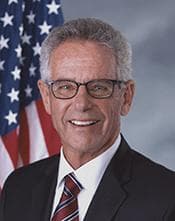
Alan S. Lowenthal
Democratic Representative
California
Cosponsors (130)
Dwight Evans (Democratic)Al Lawson (Democratic)Kim Schrier (Democratic)Val Butler Demings (Democratic)John Garamendi (Democratic)Jared Huffman (Democratic)Robert C. "Bobby" Scott (Democratic)Adam B. Schiff (Democratic)Barbara Lee (Democratic)Raúl M. Grijalva (Democratic)Ritchie Torres (Democratic)Stephanie N. Murphy (Democratic)Mark Pocan (Democratic)Karen Bass (Democratic)Lisa Blunt Rochester (Democratic)David N. Cicilline (Democratic)David J. Trone (Democratic)Ed Case (Democratic)Emanuel Cleaver (Democratic)Derek Kilmer (Democratic)John A. Yarmuth (Democratic)Carolyn B. Maloney (Democratic)Mondaire Jones (Democratic)C. A. Dutch Ruppersberger (Democratic)Ilhan Omar (Democratic)Pete Aguilar (Democratic)Frederica S. Wilson (Democratic)Juan Vargas (Democratic)Bobby L. Rush (Democratic)Carolyn Bourdeaux (Democratic)Andy Levin (Democratic)Jimmy Panetta (Democratic)Kathy E. Manning (Democratic)Debbie Dingell (Democratic)Madeleine Dean (Democratic)Melanie A. Stansbury (Democratic)Katherine M. Clark (Democratic)Steve Cohen (Democratic)Suzan K. DelBene (Democratic)Donald M. Payne (Democratic)Thomas R. Suozzi (Democratic)John P. Sarbanes (Democratic)Adriano Espaillat (Democratic)Lucille Roybal-Allard (Democratic)Peter A. DeFazio (Democratic)Daniel T. Kildee (Democratic)Jake Auchincloss (Democratic)Ted Lieu (Democratic)Ro Khanna (Democratic)A. Donald McEachin (Democratic)Kaiali'i Kahele (Democratic)Ann M. Kuster (Democratic)Sean Patrick Maloney (Democratic)Henry C. "Hank" Johnson (Democratic)André Carson (Democratic)Brendan F. Boyle (Democratic)Matt Cartwright (Democratic)John B. Larson (Democratic)Stephen F. Lynch (Democratic)Mark DeSaulnier (Democratic)Joseph D. Morelle (Democratic)Elaine G. Luria (Democratic)Doris O. Matsui (Democratic)Sara Jacobs (Democratic)Marilyn Strickland (Democratic)Gregory W. Meeks (Democratic)Hakeem S. Jeffries (Democratic)Jerrold Nadler (Democratic)Theodore E. Deutch (Democratic)Anna G. Eshoo (Democratic)Mark Takano (Democratic)Lucy McBath (Democratic)Pramila Jayapal (Democratic)Kathy Castor (Democratic)Betty McCollum (Democratic)Eleanor Holmes Norton (Democratic)Brad Sherman (Democratic)Bonnie Watson Coleman (Democratic)Mary Gay Scanlon (Democratic)Antonio Delgado (Democratic)Salud O. Carbajal (Democratic)Jamie Raskin (Democratic)Joe Neguse (Democratic)Mike Quigley (Democratic)Lois Frankel (Democratic)Donald S. Beyer (Democratic)Sean Casten (Democratic)Diana DeGette (Democratic)Janice D. Schakowsky (Democratic)James P. McGovern (Democratic)Alexandria Ocasio-Cortez (Democratic)Maxine Waters (Democratic)Adam Smith (Democratic)Nydia M. Velázquez (Democratic)Julia Brownley (Democratic)William R. Keating (Democratic)Jerry McNerney (Democratic)Marie Newman (Democratic)Yvette D. Clarke (Democratic)Rick Larsen (Democratic)Peter Welch (Democratic)Earl Blumenauer (Democratic)Lori Trahan (Democratic)Charlie Crist (Democratic)Seth Moulton (Democratic)Suzanne Bonamici (Democratic)Linda T. Sánchez (Democratic)Zoe Lofgren (Democratic)Nanette Diaz Barragán (Democratic)Jesús G. "Chuy" García (Democratic)Teresa Leger Fernandez (Democratic)Jimmy Gomez (Democratic)Grace Meng (Democratic)Rashida Tlaib (Democratic)Bradley Scott Schneider (Democratic)Ayanna Pressley (Democratic)Alcee L. Hastings (Democratic)Jamaal Bowman (Democratic)Veronica Escobar (Democratic)Lloyd Doggett (Democratic)Debbie Wasserman Schultz (Democratic)Gerald E. Connolly (Democratic)Lauren Underwood (Democratic)Chellie Pingree (Democratic)Bill Pascrell (Democratic)Grace F. Napolitano (Democratic)Katie Porter (Democratic)Susan Wild (Democratic)Mike Levin (Democratic)Judy Chu (Democratic)
Committees (6)
• Transportation and Infrastructure Committee• Environment Subcommittee• Ways and Means Committee• Foreign Affairs Committee• Water Resources and Environment Subcommittee• Energy and Commerce Committee
- Introduced
- In Committee
- On Floor
- Passed Chamber
- Enacted
Break Free From Plastic Pollution Act of 2021 This bill sets forth requirements and incentives to reduce the production of a variety of products and materials, including plastics, and increase efforts to collect, recycle, or compost products and materials. The bill makes certain producers of products (e.g., packaging, paper, single-use products, beverage containers, or food service products) fiscally responsible for collecting, managing, and recycling or composting the products after consumer use. In addition, the bill establishes (1) minimum percentages of products that must be reused, recycled, or composted; and (2) an increasing percentage of recycled content that must be contained in beverage containers. Beginning on January 1, 2023, the bill phases out a variety of single-use products, such as plastic utensils. The bill also sets forth provisions to encourage the reduction of single-use products, including by establishing programs to refund consumers for returning beverage containers and by establishing a tax on carryout bags. The bill creates a temporary moratorium on new or expanded permits for certain facilities that manufacture plastics until regulations are updated to address pollution from the facilities. The Environmental Protection Agency (EPA) must publish guidelines for a national standardized labeling system for recycling and composting receptacles. Producers must include labels on their products that are easy to read and indicate whether the products are recyclable, compostable, or reusable. The EPA must also ensure that certain clothes washers have filtration units as required by this bill. Finally, the bill establishes limitations on the export of plastic waste to other countries.
View Full TextSuggested Questions
Get AI-generated questions to help you understand this bill better
Timeline
Introduced in House
Referred to the Committee on Energy and Commerce, and in addition to the Committees on Ways and Means, Transportation and Infrastructure, and Foreign Affairs, for a period to be subsequently determined by the Speaker, in each case for consideration of such provisions as fall within the jurisdiction of the committee concerned.
Referred to the Subcommittee on Water Resources and Environment.
Referred to the Subcommittee on Environment and Climate Change.
Subcommittee Hearings Held.
Environmental Protection
Accounting and auditingAdministrative law and regulatory proceduresAdvanced technology and technological innovationsAdvisory bodiesAir qualityAlcoholic beveragesAlternative and renewable resourcesAquatic ecologyBusiness recordsChild healthCivil actions and liabilityClimate change and greenhouse gasesCongressional oversightConsumer affairsDrug, alcohol, tobacco useEcologyEnvironmental assessment, monitoring, researchEnvironmental educationEnvironmental healthEnvironmental Protection Agency (EPA)Environmental regulatory proceduresEnvironmental technologyFood industry and servicesFood supply, safety, and labelingGovernment information and archivesGovernment studies and investigationsGovernment trust fundsHazardous wastes and toxic substancesIndian lands and resources rightsIndustrial facilitiesInflation and pricesIntergovernmental relationsInternational organizations and cooperationLicensing and registrationsManufacturingMarine and coastal resources, fisheriesMarine pollutionMarketing and advertisingMaterialsNavigation, waterways, harborsOil and gasPerformance measurementPollution liabilityPublic-private cooperationRacial and ethnic relationsRetail and wholesale tradesSales and excise taxesSocial work, volunteer service, charitable organizationsSolid waste and recyclingState and local government operationsState and local taxationTax-exempt organizationsTrade restrictionsUser charges and feesWater qualityWater use and supplyWorker safety and health
Break Free From Plastic Pollution Act of 2021
USA117th CongressHR-2238| House
| Updated: 6/30/2022
Break Free From Plastic Pollution Act of 2021 This bill sets forth requirements and incentives to reduce the production of a variety of products and materials, including plastics, and increase efforts to collect, recycle, or compost products and materials. The bill makes certain producers of products (e.g., packaging, paper, single-use products, beverage containers, or food service products) fiscally responsible for collecting, managing, and recycling or composting the products after consumer use. In addition, the bill establishes (1) minimum percentages of products that must be reused, recycled, or composted; and (2) an increasing percentage of recycled content that must be contained in beverage containers. Beginning on January 1, 2023, the bill phases out a variety of single-use products, such as plastic utensils. The bill also sets forth provisions to encourage the reduction of single-use products, including by establishing programs to refund consumers for returning beverage containers and by establishing a tax on carryout bags. The bill creates a temporary moratorium on new or expanded permits for certain facilities that manufacture plastics until regulations are updated to address pollution from the facilities. The Environmental Protection Agency (EPA) must publish guidelines for a national standardized labeling system for recycling and composting receptacles. Producers must include labels on their products that are easy to read and indicate whether the products are recyclable, compostable, or reusable. The EPA must also ensure that certain clothes washers have filtration units as required by this bill. Finally, the bill establishes limitations on the export of plastic waste to other countries.
View Full TextSuggested Questions
Get AI-generated questions to help you understand this bill better
Timeline
Introduced in House
Referred to the Committee on Energy and Commerce, and in addition to the Committees on Ways and Means, Transportation and Infrastructure, and Foreign Affairs, for a period to be subsequently determined by the Speaker, in each case for consideration of such provisions as fall within the jurisdiction of the committee concerned.
Referred to the Subcommittee on Water Resources and Environment.
Referred to the Subcommittee on Environment and Climate Change.
Subcommittee Hearings Held.
Alan S. Lowenthal
Democratic Representative
California
Cosponsors (130)
Dwight Evans (Democratic)Al Lawson (Democratic)Kim Schrier (Democratic)Val Butler Demings (Democratic)John Garamendi (Democratic)Jared Huffman (Democratic)Robert C. "Bobby" Scott (Democratic)Adam B. Schiff (Democratic)Barbara Lee (Democratic)Raúl M. Grijalva (Democratic)Ritchie Torres (Democratic)Stephanie N. Murphy (Democratic)Mark Pocan (Democratic)Karen Bass (Democratic)Lisa Blunt Rochester (Democratic)David N. Cicilline (Democratic)David J. Trone (Democratic)Ed Case (Democratic)Emanuel Cleaver (Democratic)Derek Kilmer (Democratic)John A. Yarmuth (Democratic)Carolyn B. Maloney (Democratic)Mondaire Jones (Democratic)C. A. Dutch Ruppersberger (Democratic)Ilhan Omar (Democratic)Pete Aguilar (Democratic)Frederica S. Wilson (Democratic)Juan Vargas (Democratic)Bobby L. Rush (Democratic)Carolyn Bourdeaux (Democratic)Andy Levin (Democratic)Jimmy Panetta (Democratic)Kathy E. Manning (Democratic)Debbie Dingell (Democratic)Madeleine Dean (Democratic)Melanie A. Stansbury (Democratic)Katherine M. Clark (Democratic)Steve Cohen (Democratic)Suzan K. DelBene (Democratic)Donald M. Payne (Democratic)Thomas R. Suozzi (Democratic)John P. Sarbanes (Democratic)Adriano Espaillat (Democratic)Lucille Roybal-Allard (Democratic)Peter A. DeFazio (Democratic)Daniel T. Kildee (Democratic)Jake Auchincloss (Democratic)Ted Lieu (Democratic)Ro Khanna (Democratic)A. Donald McEachin (Democratic)Kaiali'i Kahele (Democratic)Ann M. Kuster (Democratic)Sean Patrick Maloney (Democratic)Henry C. "Hank" Johnson (Democratic)André Carson (Democratic)Brendan F. Boyle (Democratic)Matt Cartwright (Democratic)John B. Larson (Democratic)Stephen F. Lynch (Democratic)Mark DeSaulnier (Democratic)Joseph D. Morelle (Democratic)Elaine G. Luria (Democratic)Doris O. Matsui (Democratic)Sara Jacobs (Democratic)Marilyn Strickland (Democratic)Gregory W. Meeks (Democratic)Hakeem S. Jeffries (Democratic)Jerrold Nadler (Democratic)Theodore E. Deutch (Democratic)Anna G. Eshoo (Democratic)Mark Takano (Democratic)Lucy McBath (Democratic)Pramila Jayapal (Democratic)Kathy Castor (Democratic)Betty McCollum (Democratic)Eleanor Holmes Norton (Democratic)Brad Sherman (Democratic)Bonnie Watson Coleman (Democratic)Mary Gay Scanlon (Democratic)Antonio Delgado (Democratic)Salud O. Carbajal (Democratic)Jamie Raskin (Democratic)Joe Neguse (Democratic)Mike Quigley (Democratic)Lois Frankel (Democratic)Donald S. Beyer (Democratic)Sean Casten (Democratic)Diana DeGette (Democratic)Janice D. Schakowsky (Democratic)James P. McGovern (Democratic)Alexandria Ocasio-Cortez (Democratic)Maxine Waters (Democratic)Adam Smith (Democratic)Nydia M. Velázquez (Democratic)Julia Brownley (Democratic)William R. Keating (Democratic)Jerry McNerney (Democratic)Marie Newman (Democratic)Yvette D. Clarke (Democratic)Rick Larsen (Democratic)Peter Welch (Democratic)Earl Blumenauer (Democratic)Lori Trahan (Democratic)Charlie Crist (Democratic)Seth Moulton (Democratic)Suzanne Bonamici (Democratic)Linda T. Sánchez (Democratic)Zoe Lofgren (Democratic)Nanette Diaz Barragán (Democratic)Jesús G. "Chuy" García (Democratic)Teresa Leger Fernandez (Democratic)Jimmy Gomez (Democratic)Grace Meng (Democratic)Rashida Tlaib (Democratic)Bradley Scott Schneider (Democratic)Ayanna Pressley (Democratic)Alcee L. Hastings (Democratic)Jamaal Bowman (Democratic)Veronica Escobar (Democratic)Lloyd Doggett (Democratic)Debbie Wasserman Schultz (Democratic)Gerald E. Connolly (Democratic)Lauren Underwood (Democratic)Chellie Pingree (Democratic)Bill Pascrell (Democratic)Grace F. Napolitano (Democratic)Katie Porter (Democratic)Susan Wild (Democratic)Mike Levin (Democratic)Judy Chu (Democratic)
Committees (6)
• Transportation and Infrastructure Committee• Environment Subcommittee• Ways and Means Committee• Foreign Affairs Committee• Water Resources and Environment Subcommittee• Energy and Commerce Committee
Environmental Protection
Related Bills
- HR 117-7861: Plastic Pellet Free Waters Act
- S 117-1507: A bill to require the Administrator of the Environmental Protection Agency to promulgate certain limitations with respect to pre-production plastic pellet pollution, and for other purposes.
- S 117-984: Break Free From Plastic Pollution Act of 2021
- Introduced
- In Committee
- On Floor
- Passed Chamber
- Enacted
Accounting and auditingAdministrative law and regulatory proceduresAdvanced technology and technological innovationsAdvisory bodiesAir qualityAlcoholic beveragesAlternative and renewable resourcesAquatic ecologyBusiness recordsChild healthCivil actions and liabilityClimate change and greenhouse gasesCongressional oversightConsumer affairsDrug, alcohol, tobacco useEcologyEnvironmental assessment, monitoring, researchEnvironmental educationEnvironmental healthEnvironmental Protection Agency (EPA)Environmental regulatory proceduresEnvironmental technologyFood industry and servicesFood supply, safety, and labelingGovernment information and archivesGovernment studies and investigationsGovernment trust fundsHazardous wastes and toxic substancesIndian lands and resources rightsIndustrial facilitiesInflation and pricesIntergovernmental relationsInternational organizations and cooperationLicensing and registrationsManufacturingMarine and coastal resources, fisheriesMarine pollutionMarketing and advertisingMaterialsNavigation, waterways, harborsOil and gasPerformance measurementPollution liabilityPublic-private cooperationRacial and ethnic relationsRetail and wholesale tradesSales and excise taxesSocial work, volunteer service, charitable organizationsSolid waste and recyclingState and local government operationsState and local taxationTax-exempt organizationsTrade restrictionsUser charges and feesWater qualityWater use and supplyWorker safety and health