LIFT America Act
USA117th CongressHR-1848| House
| Updated: 1/20/2022
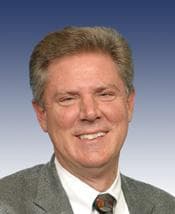
Frank Pallone
Democratic Representative
New Jersey
Cosponsors (35)
Kim Schrier (Democratic)Tom O'Halleran (Democratic)Marc A. Veasey (Democratic)Robin L. Kelly (Democratic)Lisa Blunt Rochester (Democratic)Emanuel Cleaver (Democratic)Kathleen M. Rice (Democratic)Darren Soto (Democratic)Raul Ruiz (Democratic)Bobby L. Rush (Democratic)Michael F. Doyle (Democratic)Debbie Dingell (Democratic)Tony Cárdenas (Democratic)Scott H. Peters (Democratic)Paul Tonko (Democratic)Angie Craig (Democratic)John P. Sarbanes (Democratic)Ted Lieu (Democratic)A. Donald McEachin (Democratic)Ann M. Kuster (Democratic)Kurt Schrader (Democratic)G. K. Butterfield (Democratic)Doris O. Matsui (Democratic)Jahana Hayes (Democratic)Anna G. Eshoo (Democratic)Kathy Castor (Democratic)Salud O. Carbajal (Democratic)Diana DeGette (Democratic)Janice D. Schakowsky (Democratic)Jerry McNerney (Democratic)Yvette D. Clarke (Democratic)Peter Welch (Democratic)Lori Trahan (Democratic)Lizzie Fletcher (Democratic)Nanette Diaz Barragán (Democratic)
Committees (15)
• Transportation and Infrastructure Committee• Energy and Mineral Resources Subcommittee• Ways and Means Committee• Indian and Insular Affairs Subcommittee• Agriculture Committee• Water Resources and Environment Subcommittee• Highways and Transit Subcommittee• Economic Development, Public Buildings, and Emergency Management Subcommittee• Science, Space, and Technology Committee• Energy and Commerce Committee• Education and Workforce Committee• Coast Guard and Maritime Transportation Subcommittee• Oversight and Government Reform Committee• Aviation Subcommittee• Natural Resources Committee
- Introduced
- In Committee
- On Floor
- Passed Chamber
- Enacted
Leading Infrastructure For Tomorrow’s America Act or the LIFT America Act This bill establishes several programs and incentives to modernize the nation's communications, drinking water, energy, transportation, health care, and other related infrastructure. For example, the bill provides incentives to make broadband internet more accessible and affordable. It also establishes grants to implement next generation 9-1-1 services. In addition, it supports drinking water programs, including the drinking water state revolving fund program. Further, it provides grants to treat perfluoroalkyl or polyfluoroalkyl substances (commonly referred to as PFAS) in drinking water and to replace lead service lines. The bill establishes a variety of programs to support clean energy infrastructure and address climate change, including efforts to (1) modernize the electric grid and make it more resilient, efficient, and secure; (2) increase energy efficiency in buildings; and (3) support renewable energy infrastructure. Further, it provides incentives for vehicle infrastructure, such as incentives to develop infrastructure for electric vehicles and grants to reduce air pollution at ports by electrifying port infrastructure. Additionally, the bill establishes grants and programs for health care infrastructure, including by providing support for the Centers for Disease Control and Prevention, laboratories, and state, local, tribal, and territorial health departments. Finally, the bill reauthorizes grant programs to remediate brownfield sites (i.e., sites contaminated with hazardous substances) through FY2026.
View Full TextSuggested Questions
Get AI-generated questions to help you understand this bill better
Timeline
Introduced in House
Referred to the Committee on Energy and Commerce, and in addition to the Committees on Transportation and Infrastructure, Natural Resources, Science, Space, and Technology, Ways and Means, Education and Labor, Agriculture, and Oversight and Reform, for a period to be subsequently determined by the Speaker, in each case for consideration of such provisions as fall within the jurisdiction of the committee concerned.
Referred to the Subcommittee on Water Resources and Environment.
Referred to the Subcommittee on Coast Guard and Maritime Transportation.
Referred to the Subcommittee on Highways and Transit.
Referred to the Subcommittee on Economic Development, Public Buildings, and Emergency Management.
Referred to the Subcommittee on Aviation.
Referred to the Subcommittee on Energy and Mineral Resources.
Referred to the Subcommittee for Indigenous Peoples of the United States.
Science, Technology, Communications
Administrative law and regulatory proceduresAdult education and literacyAgingAgricultural conservation and pollutionAir qualityAlternative and renewable resourcesAppropriationsBanking and financial institutions regulationBuilding constructionBusiness investment and capitalBuy American requirementsCardiovascular and respiratory healthChild care and developmentClimate change and greenhouse gasesCommunity life and organizationComputers and information technologyComputer security and identity theftCongressional oversightCorrectional facilities and imprisonmentCredit and credit marketsDepartment of CommerceDepartment of EnergyDigital mediaDisability and paralysisDisaster relief and insuranceDrug, alcohol, tobacco useEconomic developmentEducational facilities and institutionsEducation programs fundingElectric power generation and transmissionElementary and secondary educationEmergency communications systemsEmergency medical services and trauma careEmergency planning and evacuationEnergy assistance for the poor and agedEnergy efficiency and conservationEnergy pricesEnergy storage, supplies, demandEnvironmental educationEnvironmental healthEnvironmental regulatory proceduresEnvironmental technologyExecutive agency funding and structureFederal Communications Commission (FCC)Financial services and investmentsFirst responders and emergency personnelFood assistance and reliefFood industry and servicesForeign language and bilingual programsForests, forestry, treesGovernment buildings, facilities, and propertyGovernment employee pay, benefits, personnel managementGovernment information and archivesGovernment lending and loan guaranteesGovernment studies and investigationsGovernment trust fundsHazardous wastes and toxic substancesHealth care coverage and accessHealth facilities and institutionsHealth programs administration and fundingHealth technology, devices, suppliesHigher educationHome and outpatient careHousing and community development fundingHousing industry and standardsHybrid, electric, and advanced technology vehiclesIndian social and development programsIndustrial facilitiesInfectious and parasitic diseasesInfrastructure developmentIntergovernmental relationsInternet and video servicesInternet, web applications, social mediaLabor-management relationsLabor standardsLaw enforcement administration and fundingLibraries and archivesLicensing and registrationsLighting, heating, coolingLow- and moderate-income housingManufacturingMedicaidMedical educationMental healthMetalsMinority healthMotor carriersMotor fuelsMotor vehiclesMuseums, exhibitions, cultural centersNatural disastersPerformance measurementPoverty and welfare assistancePreschool educationPublic contracts and procurementPublic housingPublic-private cooperationPublic utilities and utility ratesRacial and ethnic relationsRegional and metropolitan planningResidential rehabilitation and home repairRight of privacyRoads and highwaysRural conditions and developmentSmall businessSocial work, volunteer service, charitable organizationsSolid waste and recyclingState and local financeState and local government operationsTax-exempt organizationsTechnology transfer and commercializationTelecommunication rates and feesTelephone and wireless communicationTransportation programs fundingUnemploymentUrban and suburban affairs and developmentVeterans' education, employment, rehabilitationVocational and technical educationWages and earningsWater qualityWater resources fundingWater use and supply
LIFT America Act
USA117th CongressHR-1848| House
| Updated: 1/20/2022
Leading Infrastructure For Tomorrow’s America Act or the LIFT America Act This bill establishes several programs and incentives to modernize the nation's communications, drinking water, energy, transportation, health care, and other related infrastructure. For example, the bill provides incentives to make broadband internet more accessible and affordable. It also establishes grants to implement next generation 9-1-1 services. In addition, it supports drinking water programs, including the drinking water state revolving fund program. Further, it provides grants to treat perfluoroalkyl or polyfluoroalkyl substances (commonly referred to as PFAS) in drinking water and to replace lead service lines. The bill establishes a variety of programs to support clean energy infrastructure and address climate change, including efforts to (1) modernize the electric grid and make it more resilient, efficient, and secure; (2) increase energy efficiency in buildings; and (3) support renewable energy infrastructure. Further, it provides incentives for vehicle infrastructure, such as incentives to develop infrastructure for electric vehicles and grants to reduce air pollution at ports by electrifying port infrastructure. Additionally, the bill establishes grants and programs for health care infrastructure, including by providing support for the Centers for Disease Control and Prevention, laboratories, and state, local, tribal, and territorial health departments. Finally, the bill reauthorizes grant programs to remediate brownfield sites (i.e., sites contaminated with hazardous substances) through FY2026.
View Full TextSuggested Questions
Get AI-generated questions to help you understand this bill better
Timeline
Introduced in House
Referred to the Committee on Energy and Commerce, and in addition to the Committees on Transportation and Infrastructure, Natural Resources, Science, Space, and Technology, Ways and Means, Education and Labor, Agriculture, and Oversight and Reform, for a period to be subsequently determined by the Speaker, in each case for consideration of such provisions as fall within the jurisdiction of the committee concerned.
Referred to the Subcommittee on Water Resources and Environment.
Referred to the Subcommittee on Coast Guard and Maritime Transportation.
Referred to the Subcommittee on Highways and Transit.
Referred to the Subcommittee on Economic Development, Public Buildings, and Emergency Management.
Referred to the Subcommittee on Aviation.
Referred to the Subcommittee on Energy and Mineral Resources.
Referred to the Subcommittee for Indigenous Peoples of the United States.
Frank Pallone
Democratic Representative
New Jersey
Cosponsors (35)
Kim Schrier (Democratic)Tom O'Halleran (Democratic)Marc A. Veasey (Democratic)Robin L. Kelly (Democratic)Lisa Blunt Rochester (Democratic)Emanuel Cleaver (Democratic)Kathleen M. Rice (Democratic)Darren Soto (Democratic)Raul Ruiz (Democratic)Bobby L. Rush (Democratic)Michael F. Doyle (Democratic)Debbie Dingell (Democratic)Tony Cárdenas (Democratic)Scott H. Peters (Democratic)Paul Tonko (Democratic)Angie Craig (Democratic)John P. Sarbanes (Democratic)Ted Lieu (Democratic)A. Donald McEachin (Democratic)Ann M. Kuster (Democratic)Kurt Schrader (Democratic)G. K. Butterfield (Democratic)Doris O. Matsui (Democratic)Jahana Hayes (Democratic)Anna G. Eshoo (Democratic)Kathy Castor (Democratic)Salud O. Carbajal (Democratic)Diana DeGette (Democratic)Janice D. Schakowsky (Democratic)Jerry McNerney (Democratic)Yvette D. Clarke (Democratic)Peter Welch (Democratic)Lori Trahan (Democratic)Lizzie Fletcher (Democratic)Nanette Diaz Barragán (Democratic)
Committees (15)
• Transportation and Infrastructure Committee• Energy and Mineral Resources Subcommittee• Ways and Means Committee• Indian and Insular Affairs Subcommittee• Agriculture Committee• Water Resources and Environment Subcommittee• Highways and Transit Subcommittee• Economic Development, Public Buildings, and Emergency Management Subcommittee• Science, Space, and Technology Committee• Energy and Commerce Committee• Education and Workforce Committee• Coast Guard and Maritime Transportation Subcommittee• Oversight and Government Reform Committee• Aviation Subcommittee• Natural Resources Committee
Science, Technology, Communications
Related Bills
- HR 117-2309: National Dam and Hydropower Safety Improvements Act of 2021
- HR 117-1818: To authorize the Secretary of Health and Human Services to award grants to States and political subdivisions of States to support the improvement, renovation, or modernization of infrastructure at clinical laboratories that will help to improve SARS-CoV-2 and COVID-19 testing and response activities, including the expansion and enhancement of testing capacity at such laboratories.
- HR 117-3568: Affordable Solar Energy for Our Communities Act
- S 117-432: FREEZER Trucks Act of 2021
- HR 117-1714: Speedy Updates Act of 2021
- S 117-745: Accessible, Affordable Internet for All Act
- HR 117-1485: Open Back Better Act of 2021
- HR 117-1590: Tribal Internet Expansion Act of 2021
- HR 117-2721: Clean Commute for Kids Act of 2021
- S 117-741: Broadband Infrastructure Finance and Innovation Act of 2021
- Introduced
- In Committee
- On Floor
- Passed Chamber
- Enacted
Administrative law and regulatory proceduresAdult education and literacyAgingAgricultural conservation and pollutionAir qualityAlternative and renewable resourcesAppropriationsBanking and financial institutions regulationBuilding constructionBusiness investment and capitalBuy American requirementsCardiovascular and respiratory healthChild care and developmentClimate change and greenhouse gasesCommunity life and organizationComputers and information technologyComputer security and identity theftCongressional oversightCorrectional facilities and imprisonmentCredit and credit marketsDepartment of CommerceDepartment of EnergyDigital mediaDisability and paralysisDisaster relief and insuranceDrug, alcohol, tobacco useEconomic developmentEducational facilities and institutionsEducation programs fundingElectric power generation and transmissionElementary and secondary educationEmergency communications systemsEmergency medical services and trauma careEmergency planning and evacuationEnergy assistance for the poor and agedEnergy efficiency and conservationEnergy pricesEnergy storage, supplies, demandEnvironmental educationEnvironmental healthEnvironmental regulatory proceduresEnvironmental technologyExecutive agency funding and structureFederal Communications Commission (FCC)Financial services and investmentsFirst responders and emergency personnelFood assistance and reliefFood industry and servicesForeign language and bilingual programsForests, forestry, treesGovernment buildings, facilities, and propertyGovernment employee pay, benefits, personnel managementGovernment information and archivesGovernment lending and loan guaranteesGovernment studies and investigationsGovernment trust fundsHazardous wastes and toxic substancesHealth care coverage and accessHealth facilities and institutionsHealth programs administration and fundingHealth technology, devices, suppliesHigher educationHome and outpatient careHousing and community development fundingHousing industry and standardsHybrid, electric, and advanced technology vehiclesIndian social and development programsIndustrial facilitiesInfectious and parasitic diseasesInfrastructure developmentIntergovernmental relationsInternet and video servicesInternet, web applications, social mediaLabor-management relationsLabor standardsLaw enforcement administration and fundingLibraries and archivesLicensing and registrationsLighting, heating, coolingLow- and moderate-income housingManufacturingMedicaidMedical educationMental healthMetalsMinority healthMotor carriersMotor fuelsMotor vehiclesMuseums, exhibitions, cultural centersNatural disastersPerformance measurementPoverty and welfare assistancePreschool educationPublic contracts and procurementPublic housingPublic-private cooperationPublic utilities and utility ratesRacial and ethnic relationsRegional and metropolitan planningResidential rehabilitation and home repairRight of privacyRoads and highwaysRural conditions and developmentSmall businessSocial work, volunteer service, charitable organizationsSolid waste and recyclingState and local financeState and local government operationsTax-exempt organizationsTechnology transfer and commercializationTelecommunication rates and feesTelephone and wireless communicationTransportation programs fundingUnemploymentUrban and suburban affairs and developmentVeterans' education, employment, rehabilitationVocational and technical educationWages and earningsWater qualityWater resources fundingWater use and supply