CLEAN Future Act
USA117th CongressHR-1512| House
| Updated: 6/30/2022
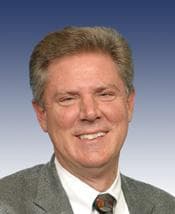
Frank Pallone
Democratic Representative
New Jersey
Cosponsors (21)
Kim Schrier (Democratic)Robin L. Kelly (Democratic)Lisa Blunt Rochester (Democratic)Emanuel Cleaver (Democratic)Kathleen M. Rice (Democratic)Raul Ruiz (Democratic)Bobby L. Rush (Democratic)Michael F. Doyle (Democratic)Debbie Dingell (Democratic)Tony Cárdenas (Democratic)Scott H. Peters (Democratic)Paul Tonko (Democratic)Ted Lieu (Democratic)Doris O. Matsui (Democratic)Kathy Castor (Democratic)Diana DeGette (Democratic)Janice D. Schakowsky (Democratic)Jerry McNerney (Democratic)Yvette D. Clarke (Democratic)Peter Welch (Democratic)Lori Trahan (Democratic)
Committees (17)
• Railroads, Pipelines, and Hazardous Materials Subcommittee• Transportation and Infrastructure Committee• Environment Subcommittee• Ways and Means Committee• Foreign Affairs Committee• Water Resources and Environment Subcommittee• Highways and Transit Subcommittee• Financial Services Committee• Economic Development, Public Buildings, and Emergency Management Subcommittee• Armed Services Committee• Science, Space, and Technology Committee• Energy and Commerce Committee• Education and Workforce Committee• Intelligence (Permanent Select) Committee• Oversight and Government Reform Committee• Aviation Subcommittee• Natural Resources Committee
- Introduced
- In Committee
- On Floor
- Passed Chamber
- Enacted
Climate Leadership and Environmental Action for our Nation’s Future Act or the CLEAN Future Act This bill creates requirements and incentives to reduce emissions of greenhouse gases. The bill establishes an interim goal to reduce greenhouse gas emissions to at least 50% below 2005 levels by 2030 as well as a national goal to achieve net-zero greenhouse gas emissions by 2050. Each federal agency must develop a plan to achieve the goals. Beginning in 2023, retail electricity suppliers must provide an increasing percentage of electricity that is generated without the release of greenhouse gases into the atmosphere (zero-emission electricity). By 2035, the suppliers must provide 100% zero-emission electricity or demonstrate alternative means of compliance. For example, the suppliers may buy credits under a trading program that allows entities to buy, sell, and trade credits to demonstrate compliance. The bill also establishes a variety of requirements, programs, and incentives to reduce or eliminate greenhouse gas emissions by modernizing the electric grid and supporting clean energy microgrids; increasing the use of renewable energy and advanced nuclear power technologies; increasing energy efficiency in buildings, homes, and appliances; supporting clean transportation, including electric vehicles and related charging infrastructure; issuing greenhouse gas standards for certain vehicles, engines, and aircraft; promoting manufacturing and industrial decarbonization, including through buy-clean programs; supporting environmental justice efforts; and reducing methane, plastics, and super pollutants.
View Full TextSuggested Questions
Get AI-generated questions to help you understand this bill better
Timeline
Introduced in House
Referred to the Committee on Energy and Commerce, and in addition to the Committees on Transportation and Infrastructure, Oversight and Reform, Education and Labor, Ways and Means, Natural Resources, Armed Services, Foreign Affairs, Science, Space, and Technology, Intelligence (Permanent Select), and Financial Services, for a period to be subsequently determined by the Speaker, in each case for consideration of such provisions as fall within the jurisdiction of the committee concerned.
Referred to the Subcommittee on Highways and Transit.
Referred to the Subcommittee on Aviation.
Referred to the Subcommittee on Economic Development, Public Buildings, and Emergency Management.
Referred to the Subcommittee on Railroads, Pipelines, and Hazardous Materials.
Referred to the Subcommittee on Environment and Climate Change.
Referred to the Subcommittee on Water Resources and Environment.
Subcommittee Hearings Held.
Environmental Protection
AccidentsAdministrative law and regulatory proceduresAdvanced technology and technological innovationsAgricultural conservation and pollutionAir qualityAlternative and renewable resourcesBanking and financial institutions regulationBuilding constructionBusiness investment and capitalBuy American requirementsCancerCardiovascular and respiratory healthCensus and government statisticsChild care and developmentChild healthCivil actions and liabilityClimate change and greenhouse gasesCoalCommunity life and organizationComputers and information technologyComputer security and identity theftCongressional oversightCredit and credit marketsDepartment of EnergyDisaster relief and insuranceEducational facilities and institutionsEducation programs fundingElectric power generation and transmissionElementary and secondary educationEmergency communications systemsEmergency medical services and trauma careEmergency planning and evacuationEmployment and training programsEnergy assistance for the poor and agedEnergy efficiency and conservationEnergy pricesEnergy researchEnergy storage, supplies, demandEnvironmental assessment, monitoring, researchEnvironmental educationEnvironmental healthEnvironmental Protection Agency (EPA)Environmental regulatory proceduresEnvironmental technologyExecutive agency funding and structureFinancial services and investmentsFood industry and servicesForests, forestry, treesGeography and mappingGovernment buildings, facilities, and propertyGovernment employee pay, benefits, personnel managementGovernment information and archivesGovernment lending and loan guaranteesGovernment studies and investigationsGovernment trust fundsHazardous wastes and toxic substancesHealth facilities and institutionsHigher educationHousing and community development fundingHybrid, electric, and advanced technology vehiclesIndian social and development programsIndustrial facilitiesInfectious and parasitic diseasesInflation and pricesInfrastructure developmentLabor standardsLibraries and archivesLighting, heating, coolingLow- and moderate-income housingManufacturingMaterialsMetalsMinority employmentMotor carriersMotor fuelsMotor vehiclesNatural disastersNews media and reportingNuclear powerOil and gasPollution liabilityPoverty and welfare assistancePublic contracts and procurementPublic participation and lobbyingPublic-private cooperationPublic utilities and utility ratesRacial and ethnic relationsRegional and metropolitan planningResearch administration and fundingRight of privacyScience and engineering educationSmall businessSocial work, volunteer service, charitable organizationsSolid waste and recyclingState and local government operationsTax-exempt organizationsTeaching, teachers, curriculaTechnology transfer and commercializationTransportation programs fundingUnemploymentUrban and suburban affairs and developmentVocational and technical educationWages and earningsWater qualityWomen in business
CLEAN Future Act
USA117th CongressHR-1512| House
| Updated: 6/30/2022
Climate Leadership and Environmental Action for our Nation’s Future Act or the CLEAN Future Act This bill creates requirements and incentives to reduce emissions of greenhouse gases. The bill establishes an interim goal to reduce greenhouse gas emissions to at least 50% below 2005 levels by 2030 as well as a national goal to achieve net-zero greenhouse gas emissions by 2050. Each federal agency must develop a plan to achieve the goals. Beginning in 2023, retail electricity suppliers must provide an increasing percentage of electricity that is generated without the release of greenhouse gases into the atmosphere (zero-emission electricity). By 2035, the suppliers must provide 100% zero-emission electricity or demonstrate alternative means of compliance. For example, the suppliers may buy credits under a trading program that allows entities to buy, sell, and trade credits to demonstrate compliance. The bill also establishes a variety of requirements, programs, and incentives to reduce or eliminate greenhouse gas emissions by modernizing the electric grid and supporting clean energy microgrids; increasing the use of renewable energy and advanced nuclear power technologies; increasing energy efficiency in buildings, homes, and appliances; supporting clean transportation, including electric vehicles and related charging infrastructure; issuing greenhouse gas standards for certain vehicles, engines, and aircraft; promoting manufacturing and industrial decarbonization, including through buy-clean programs; supporting environmental justice efforts; and reducing methane, plastics, and super pollutants.
View Full TextSuggested Questions
Get AI-generated questions to help you understand this bill better
Timeline
Introduced in House
Referred to the Committee on Energy and Commerce, and in addition to the Committees on Transportation and Infrastructure, Oversight and Reform, Education and Labor, Ways and Means, Natural Resources, Armed Services, Foreign Affairs, Science, Space, and Technology, Intelligence (Permanent Select), and Financial Services, for a period to be subsequently determined by the Speaker, in each case for consideration of such provisions as fall within the jurisdiction of the committee concerned.
Referred to the Subcommittee on Highways and Transit.
Referred to the Subcommittee on Aviation.
Referred to the Subcommittee on Economic Development, Public Buildings, and Emergency Management.
Referred to the Subcommittee on Railroads, Pipelines, and Hazardous Materials.
Referred to the Subcommittee on Environment and Climate Change.
Referred to the Subcommittee on Water Resources and Environment.
Subcommittee Hearings Held.
Frank Pallone
Democratic Representative
New Jersey
Cosponsors (21)
Kim Schrier (Democratic)Robin L. Kelly (Democratic)Lisa Blunt Rochester (Democratic)Emanuel Cleaver (Democratic)Kathleen M. Rice (Democratic)Raul Ruiz (Democratic)Bobby L. Rush (Democratic)Michael F. Doyle (Democratic)Debbie Dingell (Democratic)Tony Cárdenas (Democratic)Scott H. Peters (Democratic)Paul Tonko (Democratic)Ted Lieu (Democratic)Doris O. Matsui (Democratic)Kathy Castor (Democratic)Diana DeGette (Democratic)Janice D. Schakowsky (Democratic)Jerry McNerney (Democratic)Yvette D. Clarke (Democratic)Peter Welch (Democratic)Lori Trahan (Democratic)
Committees (17)
• Railroads, Pipelines, and Hazardous Materials Subcommittee• Transportation and Infrastructure Committee• Environment Subcommittee• Ways and Means Committee• Foreign Affairs Committee• Water Resources and Environment Subcommittee• Highways and Transit Subcommittee• Financial Services Committee• Economic Development, Public Buildings, and Emergency Management Subcommittee• Armed Services Committee• Science, Space, and Technology Committee• Energy and Commerce Committee• Education and Workforce Committee• Intelligence (Permanent Select) Committee• Oversight and Government Reform Committee• Aviation Subcommittee• Natural Resources Committee
Environmental Protection
Related Bills
- HR 117-2309: National Dam and Hydropower Safety Improvements Act of 2021
- S 117-1217: Climate Risk Disclosure Act of 2021
- HR 117-2159: RECYCLE Act
- HR 117-3568: Affordable Solar Energy for Our Communities Act
- HR 117-2442: Climate Justice Grants Act
- S 117-432: FREEZER Trucks Act of 2021
- HR 117-2570: Climate Risk Disclosure Act of 2021
- HR 117-448: Energy Resilient Communities Act
- HR 117-3399: To amend the Federal Power Act to require the consideration of invasive species when prescribing fishways, and for other purposes.
- HR 117-1113: Renewable Fuel Standard Integrity Act of 2021
- Introduced
- In Committee
- On Floor
- Passed Chamber
- Enacted
AccidentsAdministrative law and regulatory proceduresAdvanced technology and technological innovationsAgricultural conservation and pollutionAir qualityAlternative and renewable resourcesBanking and financial institutions regulationBuilding constructionBusiness investment and capitalBuy American requirementsCancerCardiovascular and respiratory healthCensus and government statisticsChild care and developmentChild healthCivil actions and liabilityClimate change and greenhouse gasesCoalCommunity life and organizationComputers and information technologyComputer security and identity theftCongressional oversightCredit and credit marketsDepartment of EnergyDisaster relief and insuranceEducational facilities and institutionsEducation programs fundingElectric power generation and transmissionElementary and secondary educationEmergency communications systemsEmergency medical services and trauma careEmergency planning and evacuationEmployment and training programsEnergy assistance for the poor and agedEnergy efficiency and conservationEnergy pricesEnergy researchEnergy storage, supplies, demandEnvironmental assessment, monitoring, researchEnvironmental educationEnvironmental healthEnvironmental Protection Agency (EPA)Environmental regulatory proceduresEnvironmental technologyExecutive agency funding and structureFinancial services and investmentsFood industry and servicesForests, forestry, treesGeography and mappingGovernment buildings, facilities, and propertyGovernment employee pay, benefits, personnel managementGovernment information and archivesGovernment lending and loan guaranteesGovernment studies and investigationsGovernment trust fundsHazardous wastes and toxic substancesHealth facilities and institutionsHigher educationHousing and community development fundingHybrid, electric, and advanced technology vehiclesIndian social and development programsIndustrial facilitiesInfectious and parasitic diseasesInflation and pricesInfrastructure developmentLabor standardsLibraries and archivesLighting, heating, coolingLow- and moderate-income housingManufacturingMaterialsMetalsMinority employmentMotor carriersMotor fuelsMotor vehiclesNatural disastersNews media and reportingNuclear powerOil and gasPollution liabilityPoverty and welfare assistancePublic contracts and procurementPublic participation and lobbyingPublic-private cooperationPublic utilities and utility ratesRacial and ethnic relationsRegional and metropolitan planningResearch administration and fundingRight of privacyScience and engineering educationSmall businessSocial work, volunteer service, charitable organizationsSolid waste and recyclingState and local government operationsTax-exempt organizationsTeaching, teachers, curriculaTechnology transfer and commercializationTransportation programs fundingUnemploymentUrban and suburban affairs and developmentVocational and technical educationWages and earningsWater qualityWomen in business